
Showing all 2 resultsSorted by popularity
Filter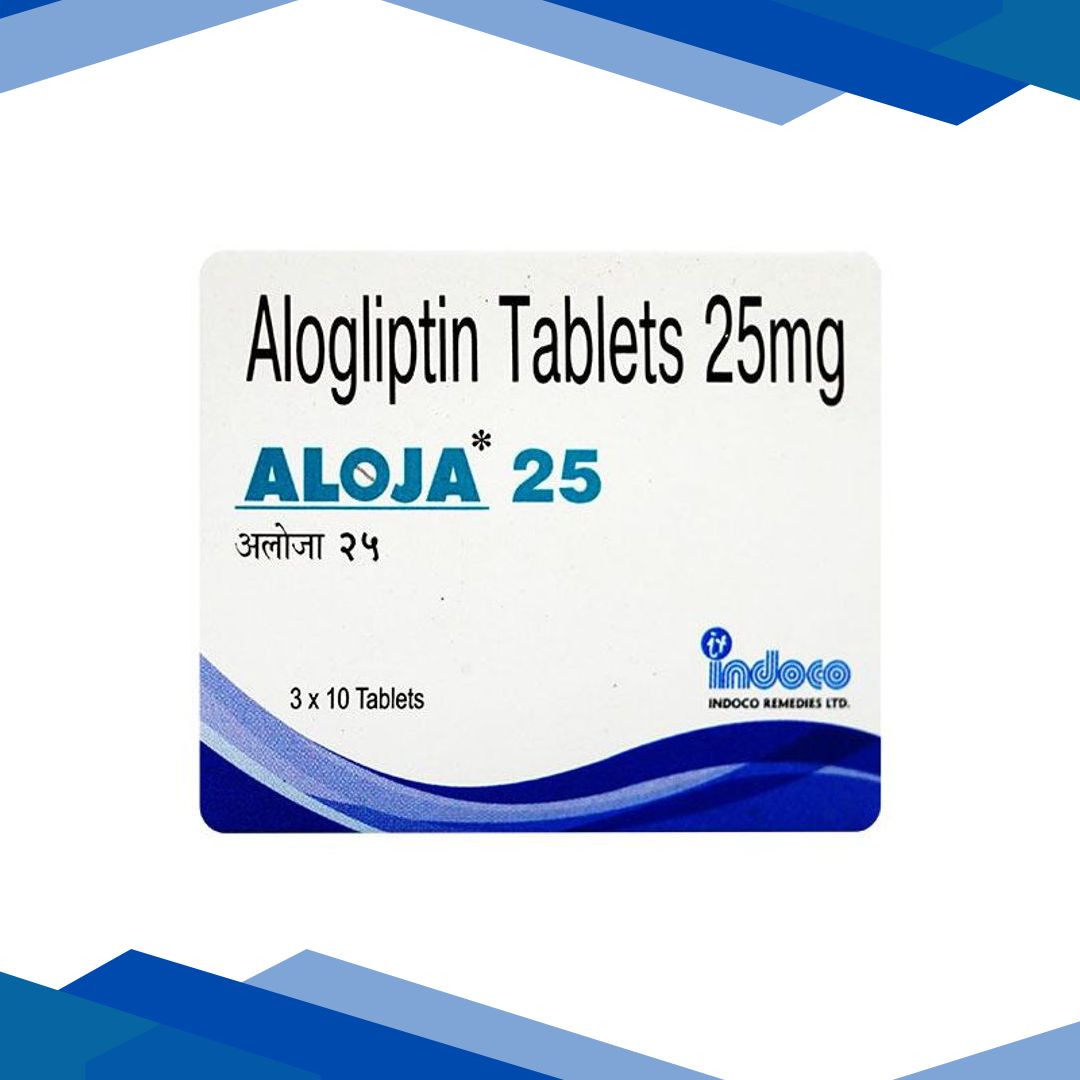
Alogliptin Tablets Overview
Alogliptin is an oral prescription-only antidiabetic medicine, used to help manage blood sugar levels in adults who have Type 2 Diabetes Mellitus. It sits in a medication group known as Dipeptidyl Peptidase-4 (DPP-4) inhibitors, which people often call “gliptins” . In practice Alogliptin is usually added to regular exercise and dietary changes so glycemic control can be kept steadier, day after day. Unlike older diabetes treatments, Alogliptin tends to act when blood glucose is high, so it is often viewed as a more targeted option for daily management.
Key Benefits & Uses
Effective blood sugar control:
Helps lower both fasting (morning) blood glucose and postprandial (after meals) blood glucose, often in a noticeable way.
Lower long-term complication risks:
When glucose targets are maintained , it may reduce the risk of long-range diabetic harm, including kidney strain, nerve discomfort, and diabetic retinopathy, which is linked with vision loss.
Weight-neutral profile:
In many patients, it does not typically lead to unwanted weight gain the way some older options, like sulfonylureas or insulin, may do.
Low risk of single-drug hypoglycemia:
When used alone, it rarely triggers sudden dangerous low blood sugar, because the effect is glucose-dependent.
How It Works
Alogliptin works by blocking the DPP-4 enzyme. Normally, this enzyme breaks down incretin hormones such as Glucagon-Like Peptide-1 (GLP-1), which are released from your intestines after you eat. Once DPP-4 is inhibited, GLP-1 stays active longer. This creates a two-part response:
- It helps your pancreas produce and release more insulin when blood sugar rises.
- It also reduces the liver’s overproduction of excess sugar.
Directions for Use
Administration:
Swallow the tablet whole with a glass of water. Do not crush, chew, or split it.
Timing:
Take it at the same time every day, so your routine stays consistent. You can take it with or without meals.
Missed dose:
If you miss a dose, take it once you remember. But if your next scheduled dose is in less than 12 hours, then skip the missed dose completely. Never take two tablets at the same time.
Side Effects
Most people tolerate Alogliptin, though minor issues can show up as the body adjusts.
Common side effects
- Headaches
- Nasopharyngitis, meaning cold-like symptoms such as a stuffy nose, sinus pain, or a sore throat.
- Mild indigestion, or sometimes upper respiratory infections.
Serious side effects (Stop and contact a doctor immediately)
- Acute pancreatitis: Severe persistent abdominal pain that may move toward your back, usually paired with ongoing nausea.
- Severe joint discomfort: Significant ongoing joint pain that interferes with daily activity.
- Heart issues: Sudden shortness of breath, especially when lying down, unexplained quick weight gain, or swelling in the feet or lower legs.
Warnings & Precautions
Critical restriction:
Alogliptin is intended only for Type 2 Diabetes. Do not use it for people with Type 1 Diabetes, or for those experiencing Diabetic Ketoacidosis, which involves high ketones and acids in the blood.
Kidney conditions:
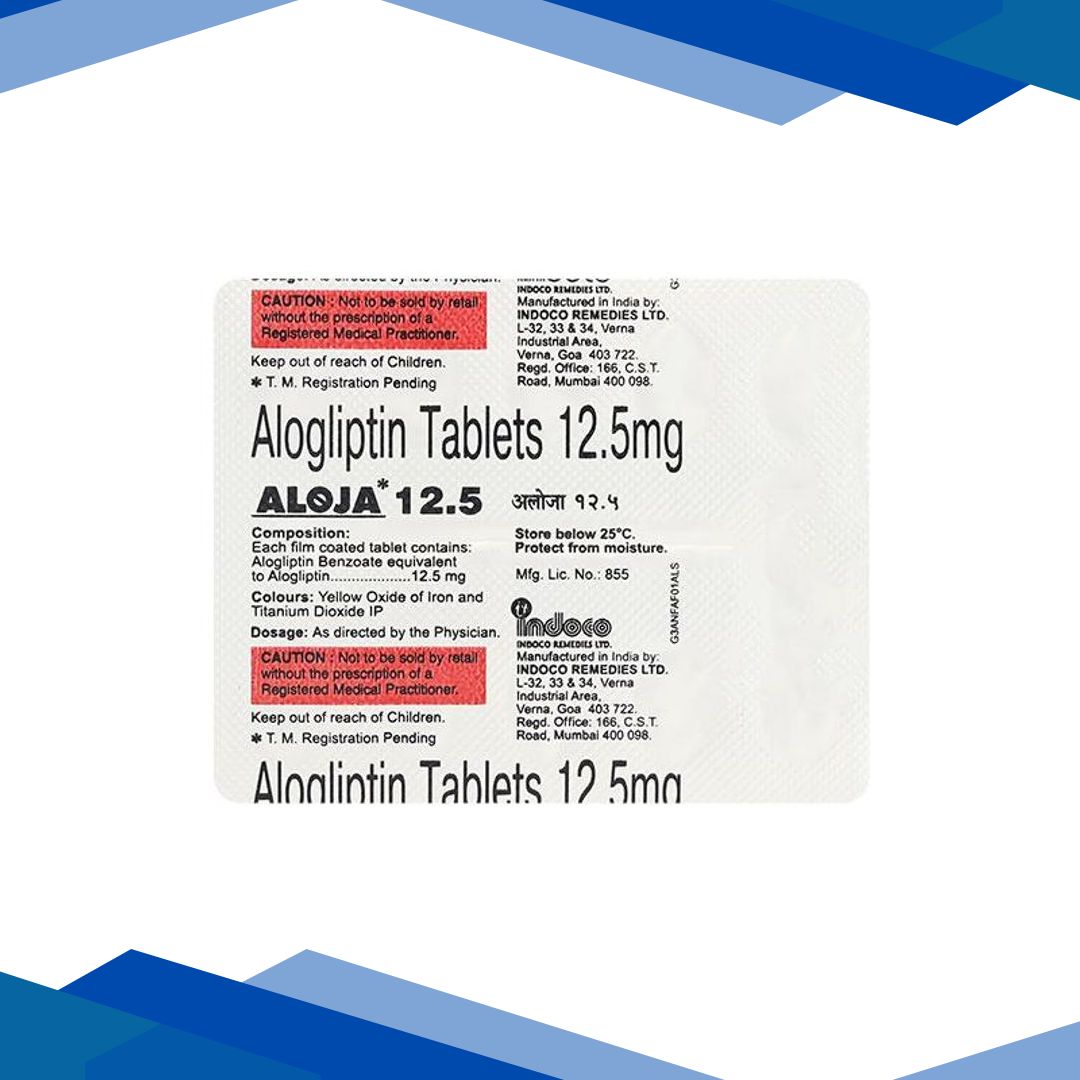
Since much of this drug is cleared through the kidneys, your clinician will check kidney function using blood tests. Dose changes are often needed for moderate to severe kidney impairment, for example reducing common 25 mg doses down to 12.5 mg or even 6.25 mg.
Hypoglycemia warnings:
Alogliptin alone rarely causes low blood sugar, but the chance can rise if combined with insulin or sulfonylureas. Keep a quick sugar source available, like fruit juice or hard candy, to respond if dizziness or tremors appear suddenly.
Severe skin reactions:
Stop the medication right away if you develop painful blisters, peeling skin, or a widespread rash along with fever.
Frequently Asked Questions (FAQs)
Q. Is Alogliptin safe during pregnancy or breastfeeding?
Generally, Alogliptin is not recommended for pregnant or lactating women unless an endocrinologist decides it is essential. Because uncontrolled blood sugar can threaten both mother and baby, your healthcare professional may suggest insulin therapy instead during this time.
Q. How quickly does Alogliptin start lowering blood sugar?
It is absorbed relatively fast, with peak levels in the bloodstream typically within 1 to 2 hours after you swallow the dose. Still, real steady improvements in glucose tracking and average readings on your daily glucometer usually take a couple of weeks of consistent use.
Q. Do I need regular clinic check-ups while taking it?
Yes. You should keep monitoring your blood glucose patterns often. Your doctor will also arrange routine labs about every 3 to 6 months, to review HbA1c, kidney functionality, and liver enzymes.
Q. Can I drink alcohol while using an Alogliptin prescription?
It is strongly recommended that you limit or avoid alcohol. Alcohol can affect liver function, and it may unpredictably raise the chance of severe hypoglycemia, or increase the likelihood of pancreatitis.