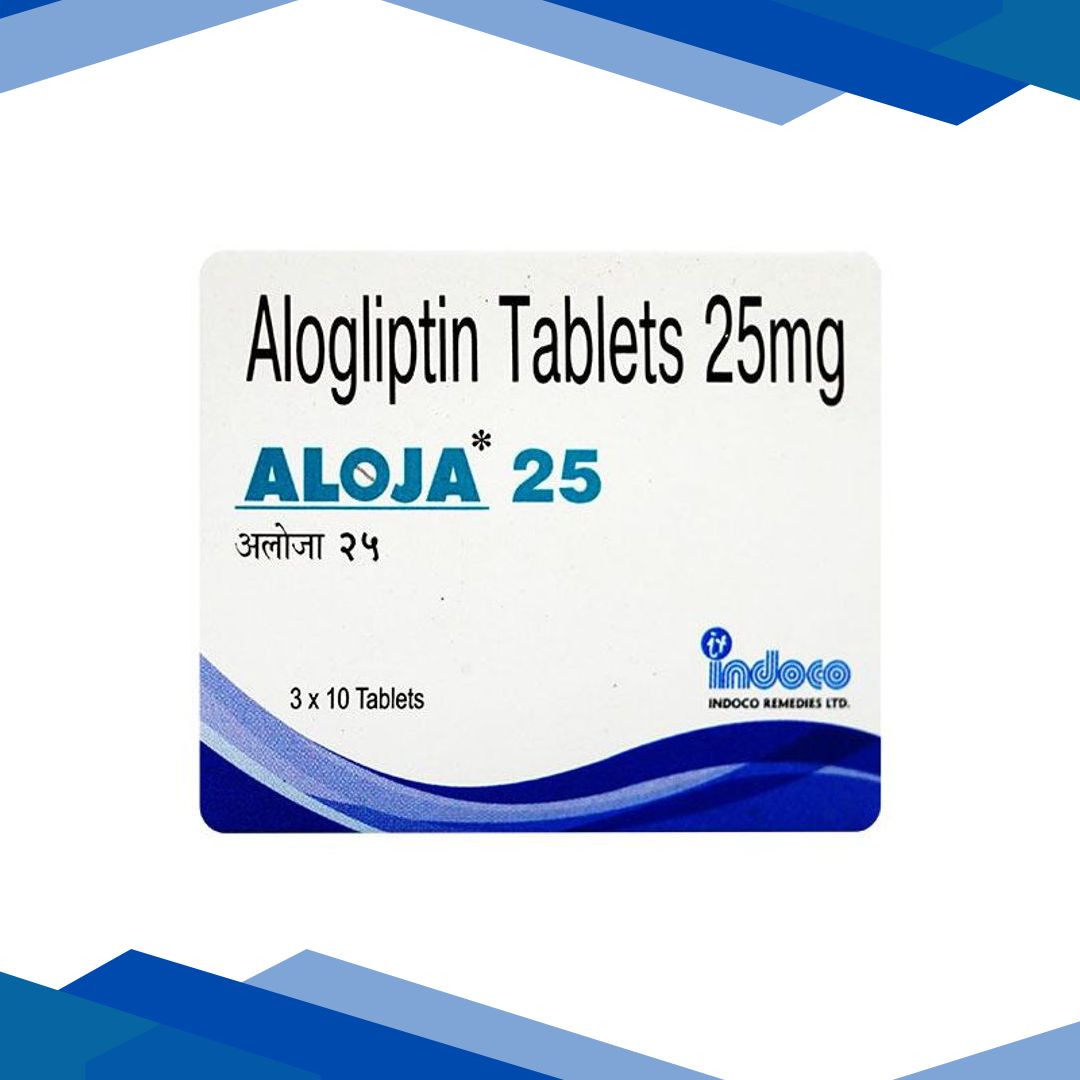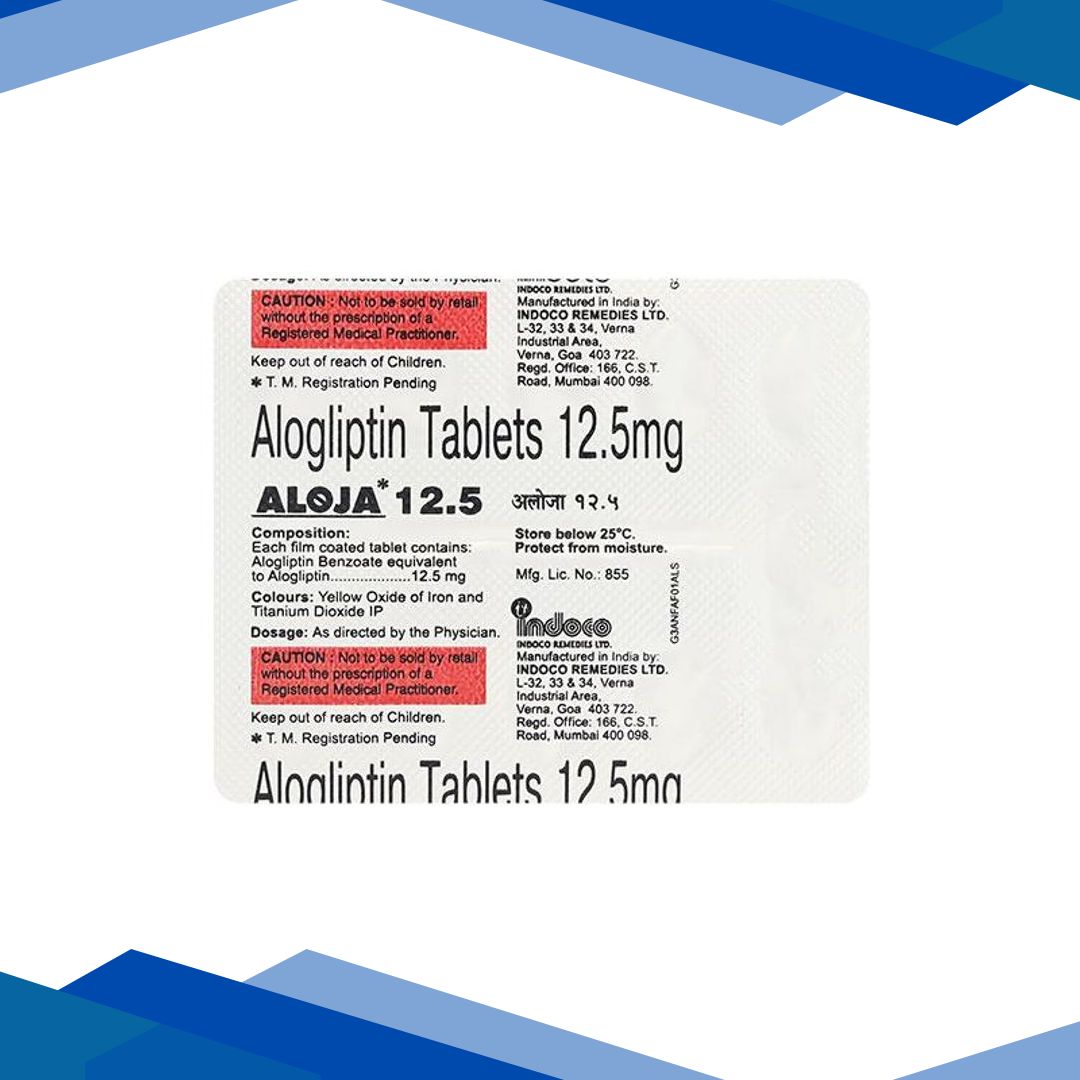
ALOJA 12.5mg Tablet 10’s
ALOJA 12.5mg Tablet is an oral medicine used to help manage type 2 diabetes mellitus. It belongs to a group of medicines that work by helping the body control blood sugar more effectively after meals and throughout the day. ALOJA 12.5mg Tablet increases the action of natural hormones that support insulin release when blood sugar is high and reduce the amount of sugar made by the liver. This helps lower blood glucose and improves overall diabetes control. It is mainly prescribed along with a healthy diet, exercise, and sometimes other diabetes medicines to support long-term blood sugar management. ALOJA 12.5mg Tablet is not used for type 1 diabetes or for treating diabetic ketoacidosis. It should be used under the guidance of a healthcare professional to ensure it is appropriate and safe for each patient.
Description
ALOJA 12.5mg Tablet is a prescription medicine used to help improve blood sugar control in adults with type 2 diabetes mellitus. it belongs to a class of medicines called dipeptidyl peptidase-4 (dpp-4) inhibitors, which work by helping the body increase insulin release after meals and reduce the amount of glucose made by the liver. it is not insulin, and it does not replace healthy eating, regular physical activity, or other diabetes care measures. for best results, it is usually used as part of a broader treatment plan that may include diet changes, exercise, weight management, and sometimes other glucose-lowering medicines.
this medicine is specifically designed for type 2 diabetes, where the body either does not use insulin properly or does not make enough of it to keep blood glucose in a healthy range. ALOJA 12.5mg Tablet helps the body respond better to food-related sugar increases by supporting natural hormone activity in the gut. these hormones, known as incretins, are normally broken down quickly in the body. by blocking the dpp-4 enzyme, ALOJA 12.5mg Tablet helps incretins remain active longer, which can improve post-meal blood sugar control and help lower overall glucose levels. it is important to understand that this medicine is not intended for type 1 diabetes or diabetic ketoacidosis.
many people are prescribed ALOJA 12.5mg Tablet when lifestyle changes alone are not enough to control blood sugar, or when additional glucose-lowering support is needed alongside another diabetes medicine. it may be used by itself in some cases or together with other antidiabetic agents, depending on the person? medical history and treatment goals. because diabetes management is highly individualized, the exact role of ALOJA 12.5mg Tablet should be determined by a healthcare professional who can monitor blood sugar, kidney function, and overall response to therapy.
ALOJA 12.5mg Tablet is generally considered a relatively well-tolerated option in appropriate patients, but it still requires careful use. like all medicines for diabetes, it can cause side effects and may not be suitable for everyone, especially people with certain heart, kidney, or liver conditions. understanding what the medicine does, who should use it, how it is taken, and what safety warnings apply can help patients use it more effectively and safely.
ingredients
- ALOJA 12.5mg Tablet: the active ingredient that lowers blood sugar by inhibiting the dpp-4 enzyme. this action increases the levels of natural incretin hormones, which help the pancreas release more insulin after meals and reduce glucose production by the liver. its main benefit is improved blood sugar control in type 2 diabetes, especially after eating.
- tablet or capsule excipients: depending on the product, ALOJA 12.5mg Tablet may be combined with inactive ingredients such as fillers, binders, disintegrants, lubricants, and coating agents. these do not treat diabetes directly, but they help form the medicine, support stability, and ensure proper swallowing and absorption.
key uses
- type 2 diabetes blood sugar control: ALOJA 12.5mg Tablet is used to improve glycemic control in adults with type 2 diabetes when diet and exercise alone are not enough. it helps reduce elevated blood glucose and supports overall diabetes management.
- add-on therapy with other diabetes medicines: it may be combined with other glucose-lowering drugs when a single treatment does not adequately control blood sugar. this combination approach can help achieve better long-term glucose targets.
- support for post-meal glucose reduction: because it enhances incretin activity, ALOJA 12.5mg Tablet is particularly helpful in reducing blood sugar rises that occur after meals. this can contribute to better day-to-day glucose stability.
- part of a comprehensive diabetes plan: it is often used alongside healthy eating, regular physical activity, weight management, and routine glucose monitoring. it is one component of a broader strategy to manage diabetes and lower complication risk.
how to use
ALOJA 12.5mg Tablet should be taken exactly as directed by a healthcare professional. it is usually taken by mouth once daily, with or without food, depending on the prescribed product instructions. taking it at the same time each day can help maintain consistent blood levels and make it easier to remember. swallow the tablet with water and do not crush, chew, or split it unless a healthcare provider has specifically advised that it is safe to do so.
the medicine should be used as part of a structured diabetes care plan. this includes following a diabetic meal plan, staying physically active as appropriate, checking blood glucose when recommended, and attending regular follow-up visits. if a healthcare professional has prescribed ALOJA 12.5mg Tablet together with another diabetes medicine, it is important to understand how each medicine should be used and whether they should be taken together or at different times. if symptoms of low blood sugar occur, especially when ALOJA 12.5mg Tablet is used with insulin or a sulfonylurea, prompt treatment may be needed according to the provider? advice.
people with kidney problems may need special monitoring and sometimes a different treatment approach, since ALOJA 12.5mg Tablet is eliminated from the body in part through the kidneys. because of this, kidney function is often assessed before and during treatment. if blood sugar remains high despite use, or if there are unexpected side effects, a healthcare professional should review the treatment plan rather than adjusting the medicine independently.
safety information
- warnings: ALOJA 12.5mg Tablet is not for type 1 diabetes or diabetic ketoacidosis. it may be associated with serious allergic reactions, including rash, swelling, breathing trouble, or severe skin symptoms in rare cases. it has also been associated with possible risk of pancreatitis and, in some patients, worsening heart failure symptoms. medical evaluation is needed if severe abdominal pain, vomiting, shortness of breath, swelling, or unusual fatigue occurs.
- side effects: common side effects may include headache, mild upper respiratory symptoms, nasal congestion, diarrhea, or symptoms that resemble a cold. some people may experience joint pain or mild stomach discomfort. serious side effects are less common but can include pancreatitis, severe allergic reactions, liver problems, severe joint pain, and signs of heart failure such as rapid weight gain, swelling in the legs, or shortness of breath.
- precautions: use caution in people with kidney impairment, liver disease, a history of pancreatitis, heart failure, or prior allergy to dpp-4 inhibitors. older adults and patients taking multiple diabetes medicines may have a higher risk of complications or hypoglycemia when ALOJA 12.5mg Tablet is combined with other glucose-lowering agents. blood sugar monitoring and routine medical follow-up are important.
- pregnancy/breastfeeding: safety data in pregnancy and breastfeeding are limited. a healthcare professional should evaluate the risks and benefits before use in pregnant or nursing patients. insulin or other better-studied treatments may be preferred in some situations to maintain safe glucose control during pregnancy.
- interactions: ALOJA 12.5mg Tablet may be used with many common medicines, but interactions can still occur. the risk of low blood sugar can increase when it is combined with insulin or sulfonylureas. alcohol may also affect blood sugar control and can increase the risk of hypoglycemia or make glucose levels harder to manage. always tell a healthcare professional about all prescription drugs, over-the-counter products, vitamins, and herbal supplements being used.
additional information
- storage: store ALOJA 12.5mg Tablet at room temperature in a dry place away from excess heat, moisture, and direct light. keep it in its original container if possible and out of reach of children and pets. do not store in a bathroom unless the product label specifically says it is acceptable.
- missed dose: if a dose is missed, it should generally be taken as soon as remembered unless it is almost time for the next scheduled dose. in that case, skip the missed dose and continue the regular schedule. do not take extra medicine to make up for a missed dose unless advised by a healthcare professional.
- overdose: an overdose may increase the chance of side effects or abnormal blood sugar control. if too much medicine is taken, seek medical advice promptly. if the person has severe symptoms such as fainting, trouble breathing, severe weakness, or confusion, emergency medical help should be obtained immediately.
- habit forming: no. ALOJA 12.5mg Tablet is not known to cause dependence or addiction. it is a maintenance medicine for diabetes management, not a habit-forming substance.
frequently asked questions
this information is for educational purposes only and should not be considered medical advice. always consult a qualified healthcare professional before use.
At Gem Pharmacy, we make every effort to provide accurate, expert-written, and thoroughly reviewed information related to medicines. However, this information should not be considered a substitute for professional medical advice, diagnosis, or treatment from a qualified doctor.
The purpose of this information is to educate users and improve communication between patients and healthcare professionals. It should not be used to diagnose or treat any condition.
Always consult a certified healthcare professional before taking any medication.


Related products