











Showing 1–20 of 22 resultsSorted by popularity
Filter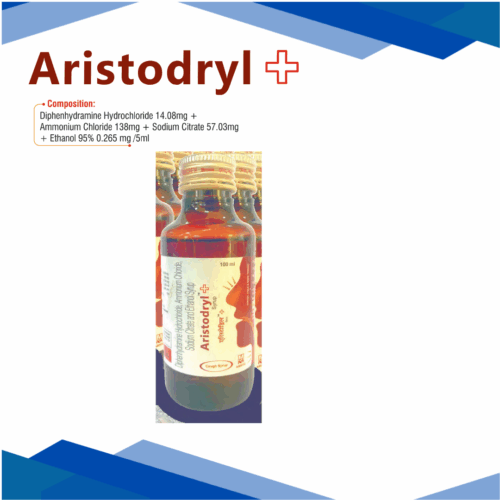
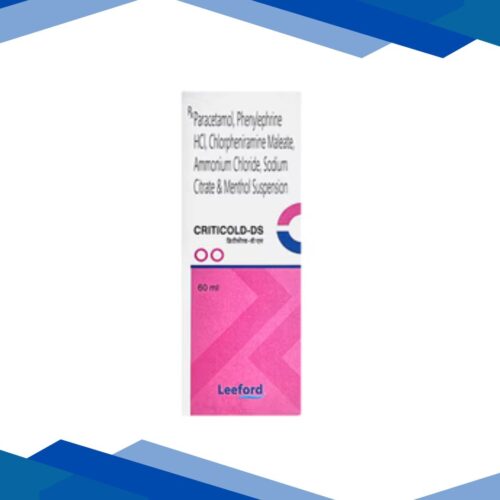
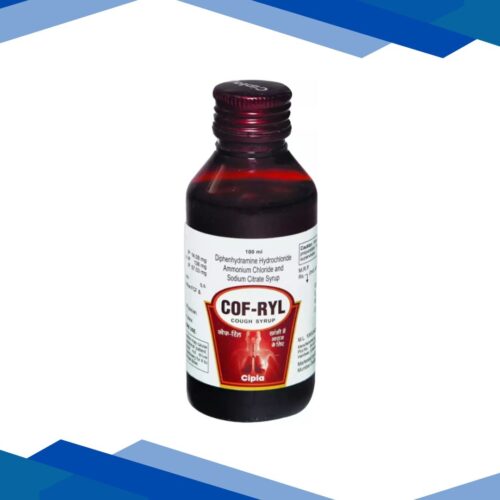


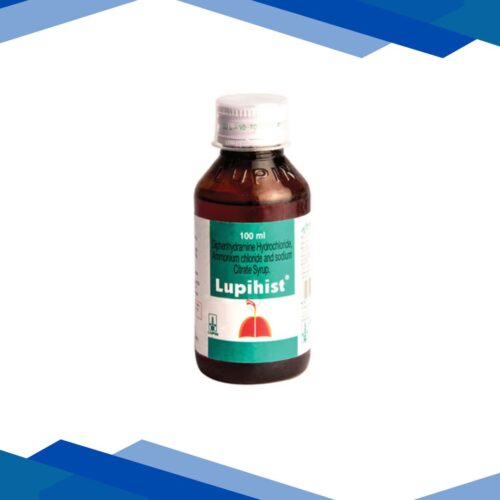
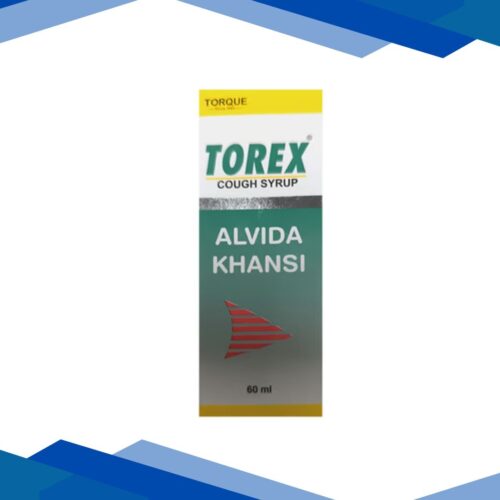


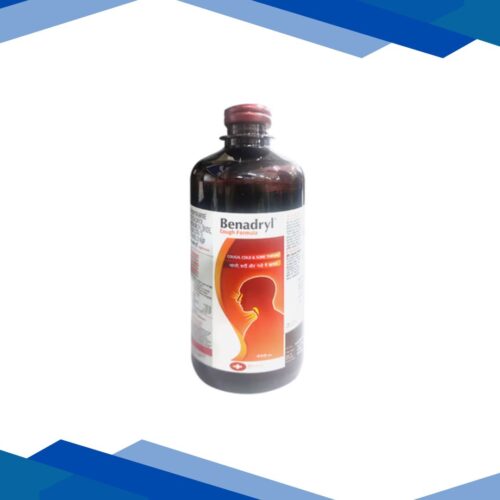
Benadryl Cough Formula Syrup 150ml
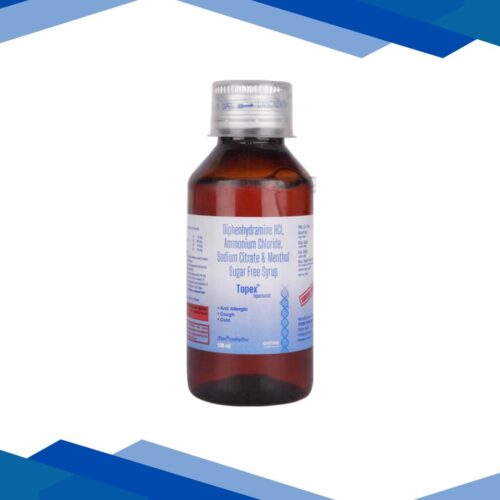

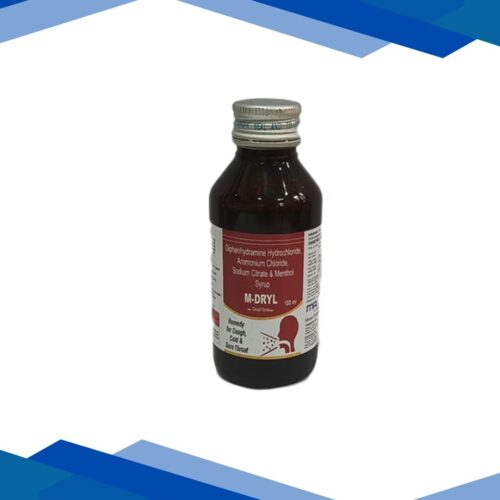
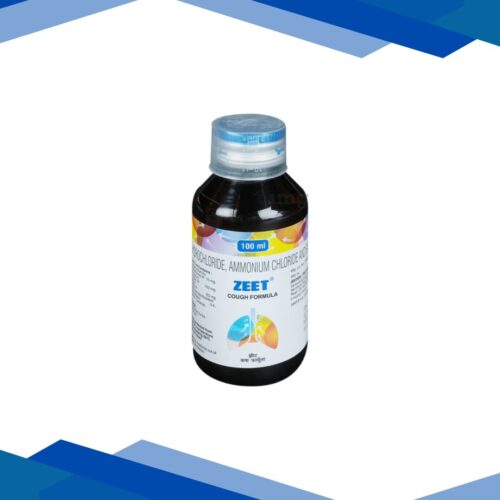
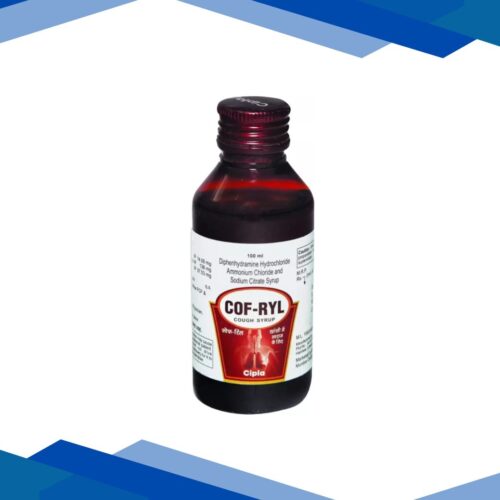
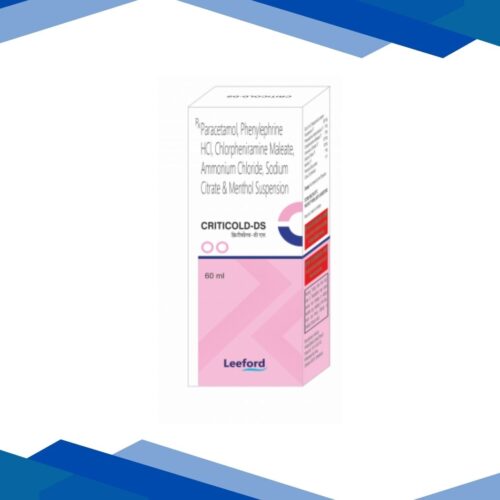

Tuspel Plus Strawberry Flavour Expectorant 100ml
Ammonium Chloride: Effective Expectorant and a Systemic Acidifier
Ammonium chloride finds wide acceptance as a pharmaceutical compound in its role as expectorant in cough preparations and as a systemic acidifying agent. The increased fluid volume in the airways might help in thinning the thick mucous so that the patient can cough out phlegm and thereby clear the airways. In certain instances, the chemical finds its use in special medical care for the adjustment of some electrolyte imbalances, especially metabolic alkalosis, by increasing the blood concentration of chloride ions.
Core Therapeutic uses
Relief in Productive Coughs: Commonly used in formulation for cough syrups in combination to break down phlegm and relieve chest congestion.
Treatment for Metabolic Alkalosis: Given for the correction of the body’s pH balance, when it becomes very alkaline, quite often intravenously.
Electrolyte Alteration: May be used to manage chloride deficiencies in certain clinical cases.
Supports Diuresis: Used in the past to promote the excretion of medications and fluids, although recent alternatives are now more preferable to use.
How Ammonium Chloride Works
For cough treatment, Ammonium Chloride acts as an irritant to the gastric lining. The irritation triggers a reflex that increases the fluid content from the glands lining the respiratory tract. The increased fluid content allows this moisture to “dilute” the stickiness of mucus, changing an unproductive and dry cough into a productive one. When used for acidifying purposes, the ammonium ions in the plasma are metabolized to urea by the liver, forming free hydrogen and free chloride ions. These ions are then released into the bloodstream, making the blood alongside other body fluids acidic.
Professional Usage Tips
Keep Hydrated: While prescribing Ammonium Chloride, recommendations on hydration should be mentioned in regard to secreting the mucus. Hydration is highly critical as it helps the medication to thin out mucus accurately.
Accurate Dosing: When using the liquid formulation, you are required at all times to use the dosing cup or syringe that comes with the particular medication and refrain from using a household spoon to see how much medicine you are giving.
At Mealtime: Taking the medication right after eating can help mitigate some certain incidences of tummy upset or nausea.
Risk & Side Effects Synopsis
Most Ammonium Chloride treatments at regular cough-syrup dosing levels are well-tolerated. Higher systemic dosing, however, will need careful monitoring in some patients.
Side EffectPossible FrequencyRecommended Action
Nausea and VomitingCommonShould take medication with food or milk.
Abdominal CrampsOccasionalUsually goes away on its own once the body has adjusted to the medication.
Increased Respiration RateRareConsult with your physician immediately; pH change alert.
Skin Rash/UrticariaVery RareStop taking the medicine and immediately contact your treating physician.
Ammonium Chloride: Frequently asked questions (FAQs)
Q: Over a dry, tickly cough, might I use Ammonium Chloride?
A: Ammonium Chloride is specifically an expectorant for “wet” coughs with mucus. If one’s cough is dry, nonproductive, and incessant, cough suppressants (antitussives) might be more appropriate. Consult a pharmacist for the right recommendation.
Q: Is it safe for a person with kidney or liver issues?
A: In case of serious renal and hepatic impairment, patients must stay off it. It is necessary that urea be formed when ammonia becomes urine by the liver with the kidney taking out ammonium: thus the kidney and liver must be functioning beautifully to avoid ammonia toxicity.
Q: May children get Ammonium Chloride?
A: Though it is often included in formulations for pediatric cough syrups, the dosing is strictly based on age and weight. “Adult-strength” medications should never be given to children under 6 without medical supervision.
Q: Does it interact with other medications?
A: Yes, it may do so, specifically with certain diuretics (e.g. Spironolactone) or medicines sensitive to a urine pH (like Methotrexate or Salicylates). Always let your healthcare provider know about what you are presently taking.
Q: How long does this cough syrup of Ammonium Chloride work?
A: It is usually meant for short-term relief (3–7 days). For coughing persisting for more than a week, with fever, or along with rash, the best policy would be to visit a doctor for complete diagnosis.
Pre-Purchase Checklist
Allergic response: Check for the presence of inactive ingredients like flavors and dyes and, if you have allergies to any of these substances.
Condition of Disease: Make sure your cough is accompanied with mucus, because the drug only works when the cough is productive.
Visit: Keep the bottle tightly closed and store in a cool, dry place, excluding any kind of enclosed space. Sharply.
