


Showing 1–20 of 28 resultsSorted by popularity
Filter
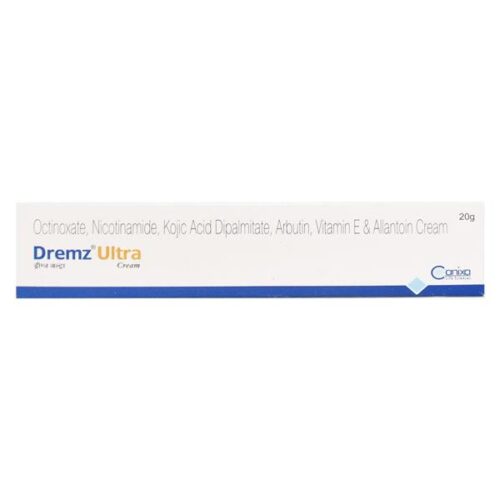
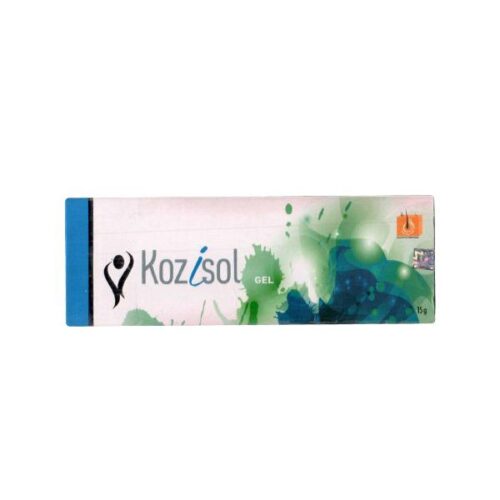
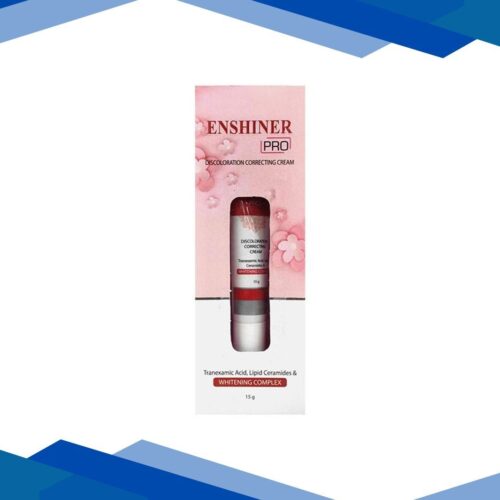
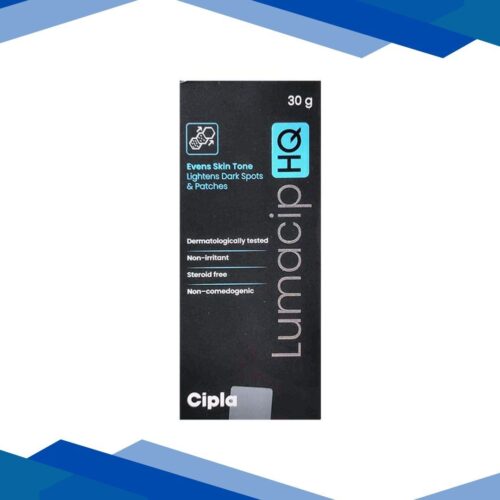
LUMACIP HQ DEPIGMENTING COMPLEX Cream 30g
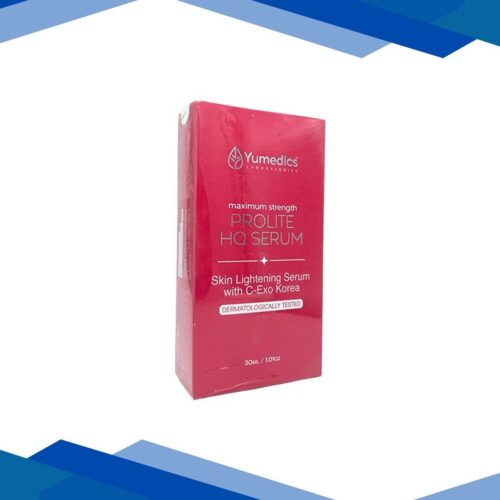
PROLITE HQ Serum 30ml
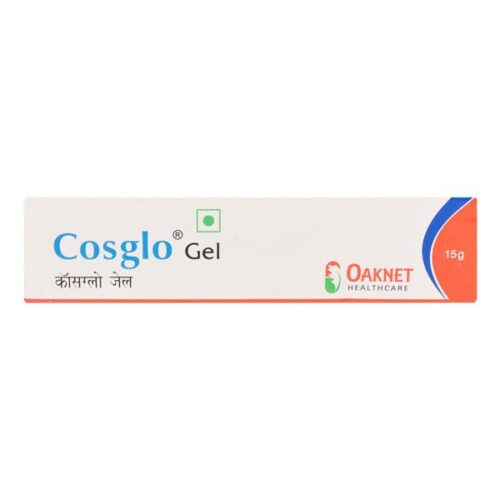
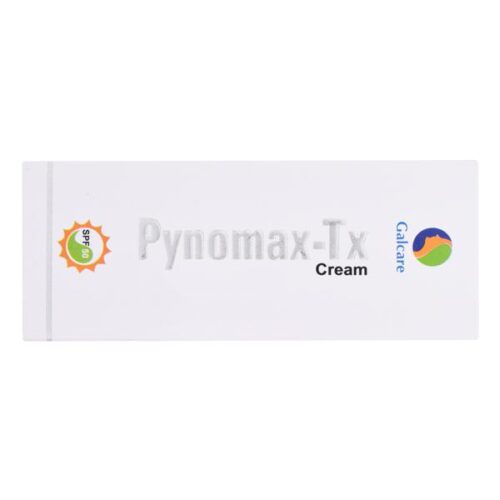
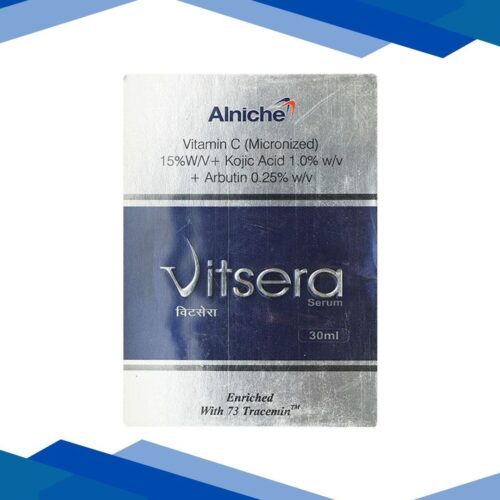
VITSERA PLUS SERUM Liquid 30ml
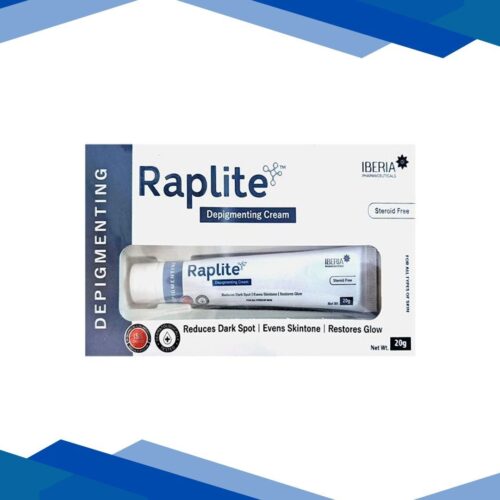
RAPLITE DEPIGMENTING Cream 20g
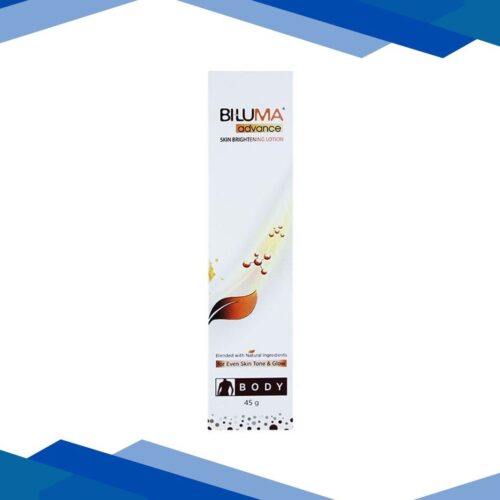
BILUMA ADVANCE SKIN BRIGHTENING Lotion 45gm
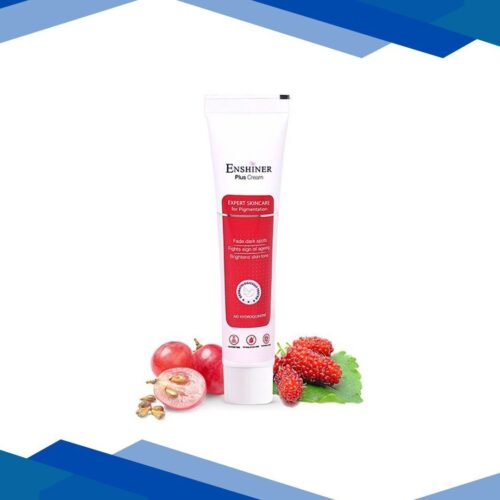
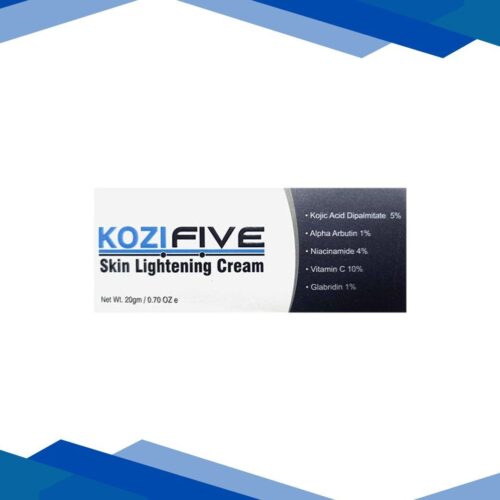
KOZIFIVE SKIN LIGHTENING Cream 20g
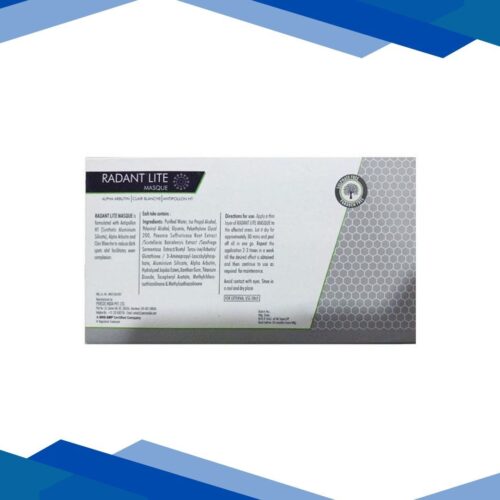
RADANT LITE Masque 50ml

PROLITE HQ Serum 15ml
Alpha-Arbutin is a natural active ingredient known for the potent skin-brightening properties. However, this bio-synthetic compound derived from plants, such as the bearberry, has had some functional modifications vis. hydroquinone, while at the same time, exhibiting better safety profiles. It is said that in managing hyperpigmentation, dark spots, and uneven skin texture, alpha-arbutin is above gold-class in relevance because this substance, being non-cytotoxic toward cells, minimally inhibits melanin production.
Indications & Uses
Removes Hyperpigmentation: Efficiency in reducing hyperpigmented patches of melasma, freckles, and sunburns. It has high efficacy on various types of age spots.
Treats Melasma: This product is generally found to be one of the safer choices to hydroquinone for the treatment of melasma due to hormonal changes.
PIH (Post-inflammatory Hyperpigmentation): This product is good for the clearance of PIH: the marks of acne and other injuries.
Enhanced Radiance: In addition to brightening the skin as a whole, it improves skin coloration.
Equally Gentle: Arbutin treatment is slow in releasing lightening components. This feature also makes the extract work for sensitive skin types.
The Mode of Action: How It Works
Alpha-Arbutin achieves all its depigmenting activity by competitively inhibiting tyrosinase, a key enzyme responsible for initiating the first two steps in melanin formation. The arbutin molecule serves as a substrate analog, since it can bind with increasing affinity to the tyrosinase molecule. It stands to block the binding site for DOPA. By not allowing the conversion of DOPA into melanin, the resulting control of such a procedure leads to a slow descent of pigmented cells, giving their place to a new skin with less pigment.
Operating Mechanisms
Composition: Generally, alpha-arbutin is found in a range between 1% and 2%.
Stability: It has been claimed that alpha-arbutin has been proven to be 10 times more stable than beta-arbutin.
How to Use
Cleaning: Your skin may start with a mild cleanser to remove the toxic products from IPL and the skin, and then frequently dry it.
Apply: Take two to three drops of the serum or, for cream, a pea-sized drop is best.
Evaluate: Apply to the affected areas only or to the entire face, avoiding the under-eye area.
Frequency: Used twice daily, morning and evening, for optimum results.
Protection: Wear protective clothing; apply generous amounts of broad-spectrum sunscreen (SPF 30 or greater) during daylight hours to prevent sensitive skin from UV rays from all kinds of brightening agents.
Common Side Effects
Side effects are very rare. Users should report side effects of these mild discomforts:
Redness: Most probably there’s a bit of redness initially upon application.
Tingling: There may be a tingly sensation reported but less likely.
Dryness: Dryness, especially in the winter months, perhaps occurs most often.
Relationship to sunlight: Use of Alpha-Arbutin can make the skin more sunlight sensitive!
Always stop the use of Alpha-Arbutin immediately if you experience excessive itching, swelling, and/or burning sensation, and contact your dermatologist.
Precautions and Warnings
None caused by Alpha-Arbutin itself, which ranges from annoying to highly dangerous, but users should still be vigilant before further on it.
Patch Test: Patch testing should preliminarily be carried out on the inner forearm for 24 hours before full facial application.
Pregnancy: From a theoretical standpoint, it should be much safer than hydroquinone, but it is always advisable for pregnant women to actively seek the opinion of an ob-gyn before starting this product.
Layering: According to another reputable research journal, be cautious with sustained application in face exercises whenever absolutely necessary.
FAQs
Q: Is Alpha-Arbutin Superior to Hydroquinone?
Alpha-Arbutin is a safer, non-toxic alternative to Hydroquinone. Hydroquinone kills cells producing pigment while Arbutin merely inhibits the enzyme that mediates it, thereby making its long-term application much safer without the risk of ochronecrosis (a bluish-black discoloration of the skin).
Q: How Long before I begin to see results?
Patience goes a long way with Arbutin treatment. Visible changes in dark spots and skin tone begin to appear in most users by around weeks 8 to 20 of regular, twice-a-day use.
Q: Can I use Arbutin on dark skin?
In contrast to other harsh bleaching agents that could cause rebound hyperpigmentation in the case of darker skin tones, the action of Alpha-Arbutin on all skin types and ethnicities is absolutely safe and effective.
Q: Does Arbutin really whiten my skin forever?
No. Arbutin works on melanin production. If you stop using the prep and begin to expose it to the sun without proper protection, your natural pigment levels will eventually return.
Q: Is it okay to use Arbutin along with Vitamin C?
Yes, using them both together is recommendable. They create a tangible interaction. Vitamin C can help fight free radicals, and for enhanced melanin and pigment inhibition, topical Arbutin is required.
