






Showing 1–20 of 33 resultsSorted by popularity
Filter
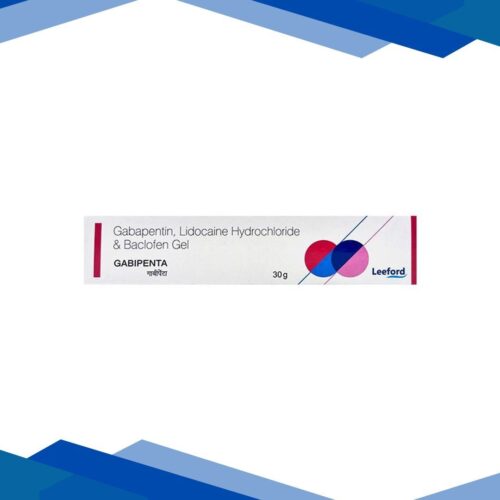

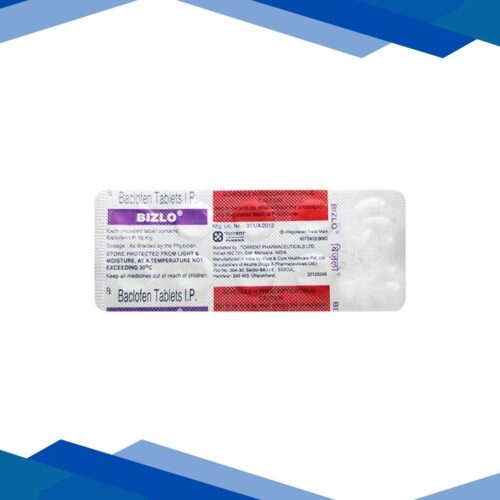
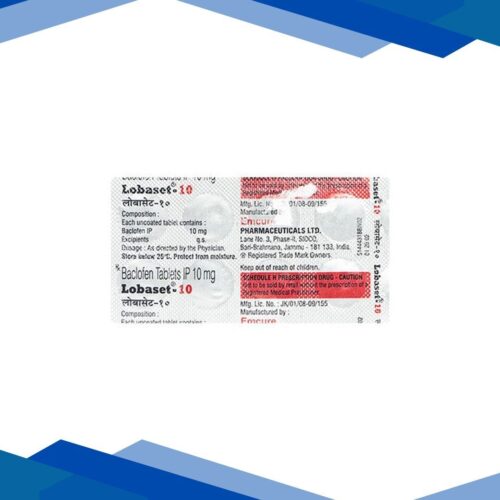
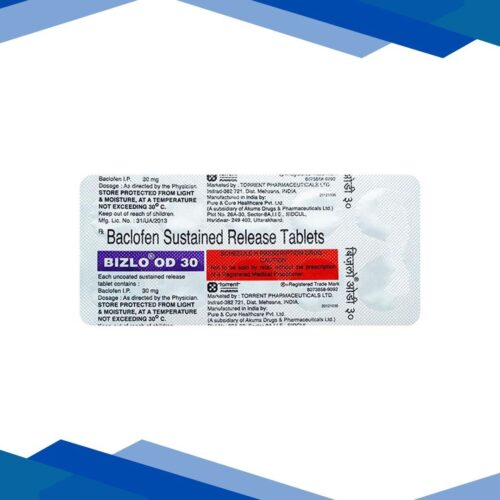
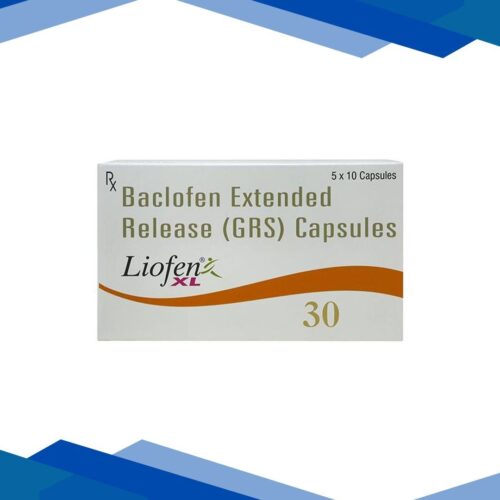
Liofen XL 30mg Capsule 10’S
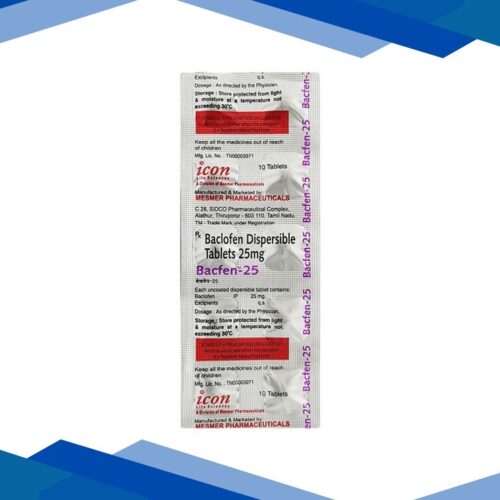

Bacfen XL 20mg Capsule 10’S
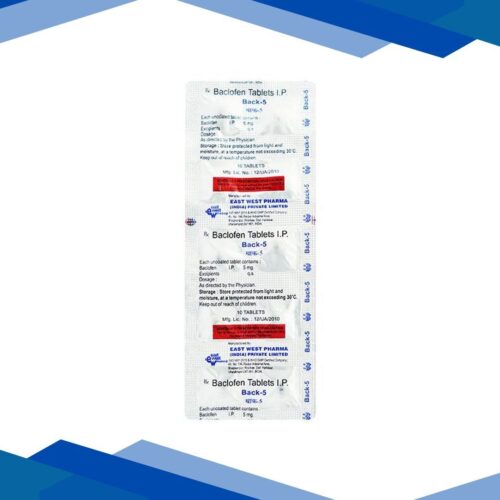

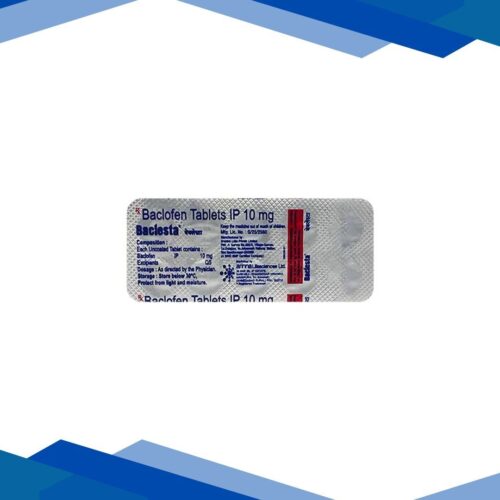
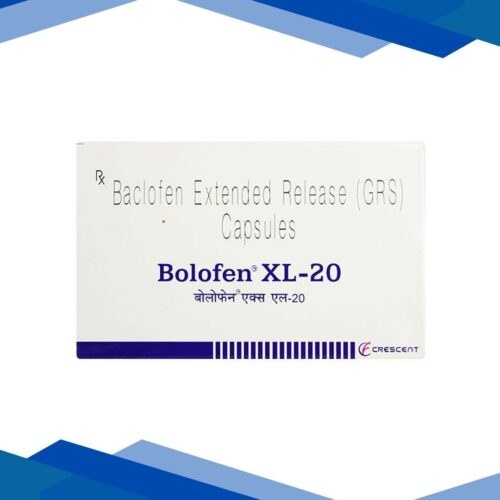
BOLOFEN XL 20mg Capsule 10’s
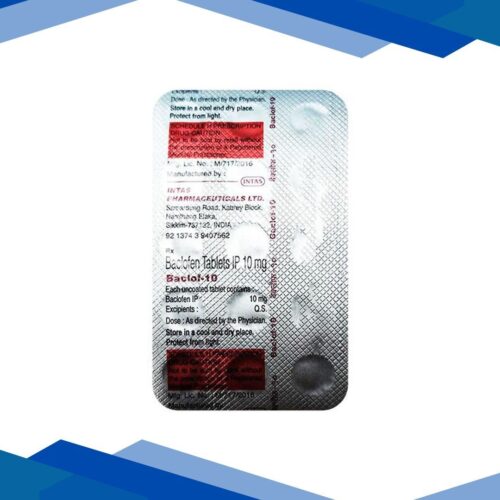

Bacfen XL 10mg Capsule 10’S
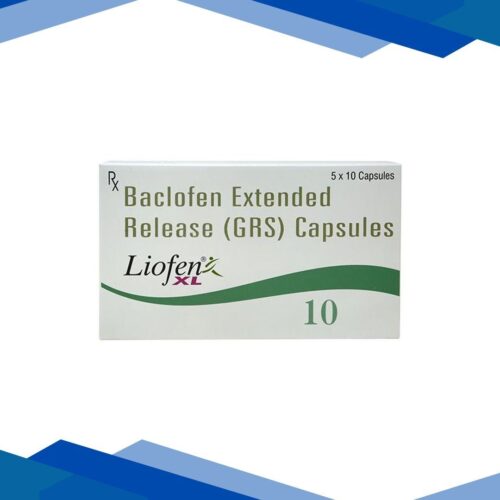
Liofen XL 10mg Capsule 10’S
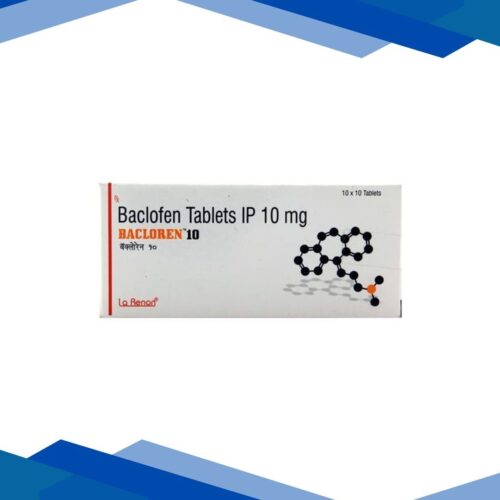
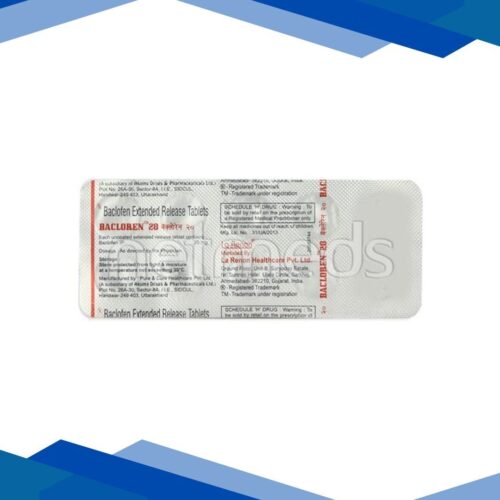
Baclofen: Uses, Dosage, Side Effects, and Safety Precautions
Baclofen is a drug with a faculty of relaxing muscles and inducing antispasmodic action. The major use of this drug is to relieve excessive muscle tone due to conditions of nervosa in the order. It acts on nerve fibers in the spinal cord, reducing the quantity and significance of muscle spasms. This in return relieves pain and makes it easier for the musculature to move.
Mode of Action of Baclofen
Baclofen is a member of the class of medications known as skeletal muscle relaxants. Inhibition by Baclofen generation of homogeneous monosynaptic and polysynaptic reflexes at the spinal level. Baclofen mimics the natural brain chemical GABA (gamma-Aminobutyric acid) to relax the nervous system and to prevent overstimulation of the muscles by the nerves.
Primary Indications
Baclofen is prescribed for the management of treatable spasticity associated with:
- Multiple Sclerosis (MS): Relief of flexor spasms and conjoint pain, musculature rigidity, and clonicity.
Disorders of the Spinal Cord: Baclofen is efficacious in patients suffering from trauma to/in the cord, syringomyelia, or transverse myelitis.
Neurological Disorders ought to be considered in cases of cerebral palsy or cerebrovascular accidents, with inputs from a healthcare practitioner.
5. Dosage and Administration
How Baclofen is to be administered: One must always follow the instructions when using Baclofen; it is typically taken by mouth with or without food.
The Starting Dosage: Baclofen is typically started at a low dose (e.g. 5 mg three times daily) and then titrated up by your physician to achieve optimum therapeutic effect while minimizing side effects.
Consistency: Drugs taken should be at the same time each day to ensure levels remain more level in your bloodstream.
Side Effects for Monitoring: Vulnerable to Side Effects
Though most people adapt to Baclofen very well, few may experience:
Common: Somnolence, dizziness, weakness, and fatigue.
GI tract: Nausea, constipation, and dry mouth.
Nervous system: Disorientation, headache, and insomnia.
Never stop taking Baclofen immediately. Sudden cessation can lead to withdrawal symptoms including hallucinations, seizures, or high fever. Consult your doctor for a tapering schedule.
FAQs
1. Is Baclofen a painkiller?
Traditional analgesics do not include Baclofen. However, they typically reduce pain by suppressing muscle spasms and stiffening in schools featuring otherwise intractable discomfort.
2. Can I drink alcohol while taking Baclofen?
It is strongly suggested that one should stay away from alcohol. Both Baclofen and alcohol are CNS depressants, and the combination of both potentially leads to over-sedation, respiratory depression, and exacerbation of giddiness.
3. How long before Baclofen begins to work?
Some patients may notice a decrease in muscle spasms within hours, but it could take several days or even weeks of steady use to derive full therapeutic benefit.
4. Does Baclofen cause weight gain?
There is weight gain in the adverse effects list, even though rare, so contact your healthcare provider if you have sudden or unusual weight changes or swelling in your extremities.
5. What should I do if I forget to take a dose?
Take the missed dose as you remember it because the time is almost about to lapse till the next scheduled administration. Ignore double doses to make up the dose for the missed one.