
















Showing 1–20 of 62 resultsSorted by popularity
Filter
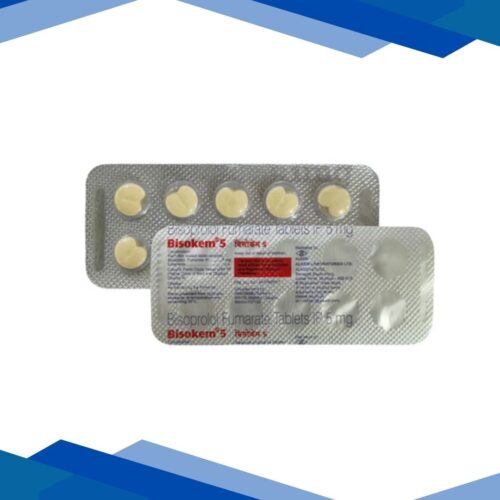
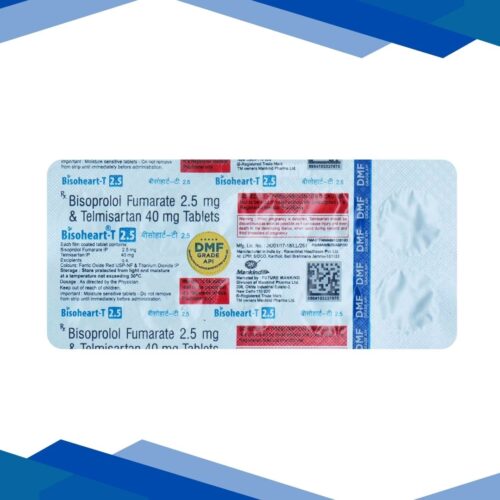

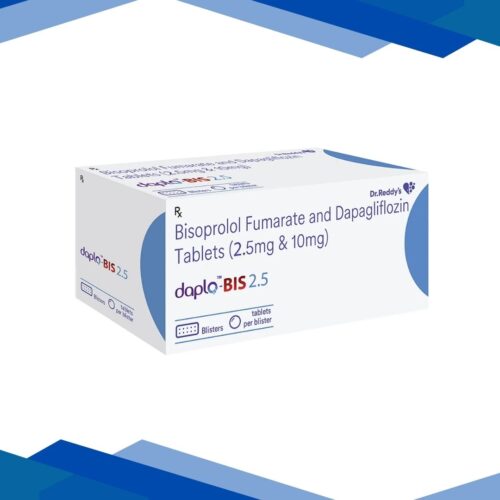
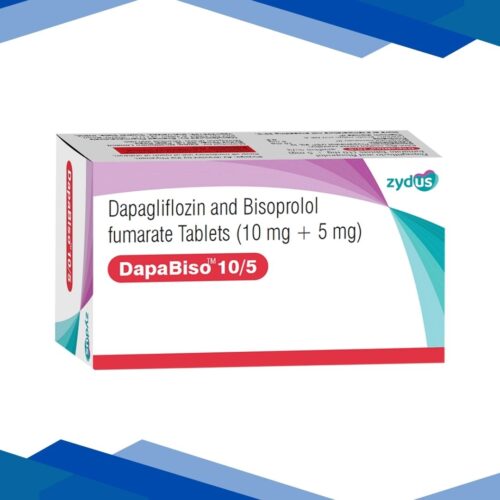
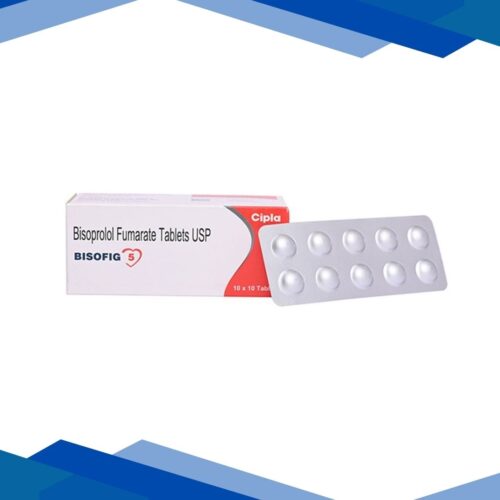
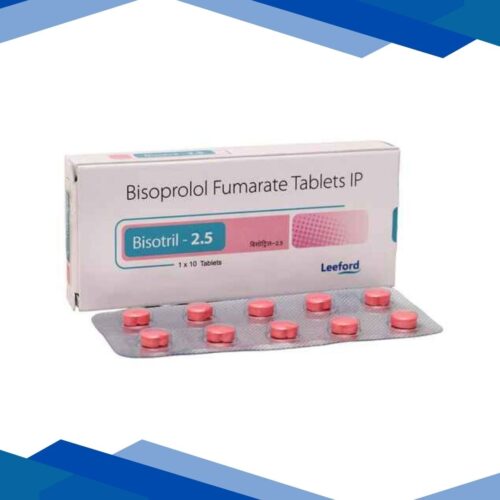
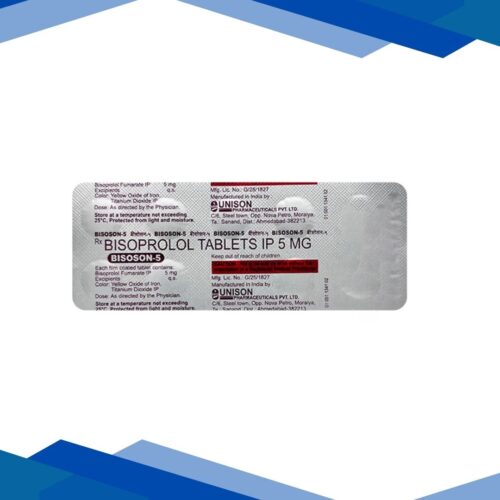
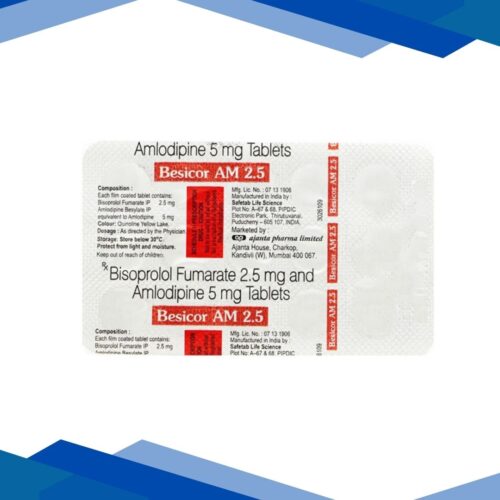
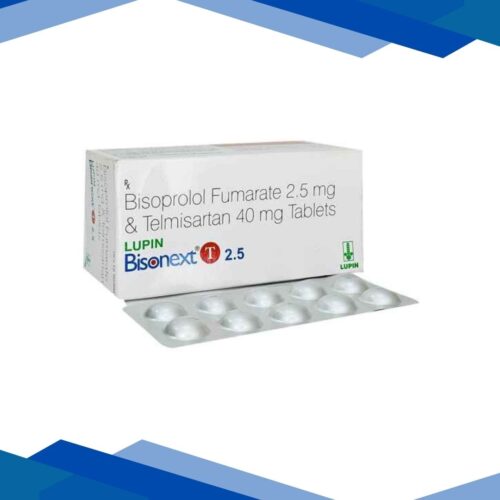
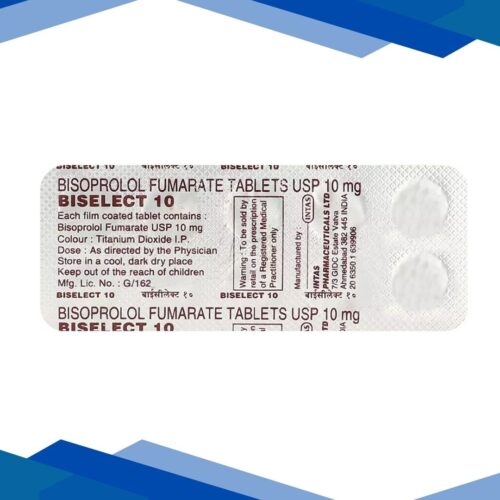
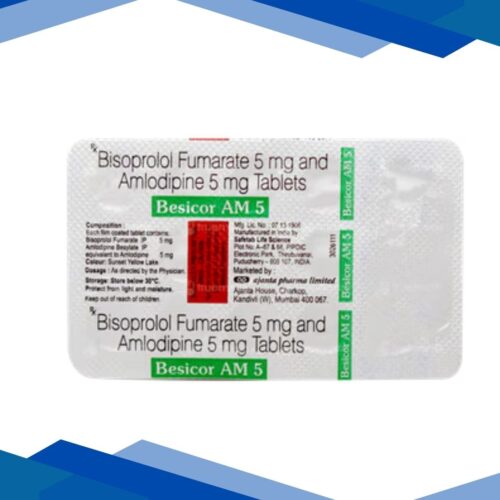
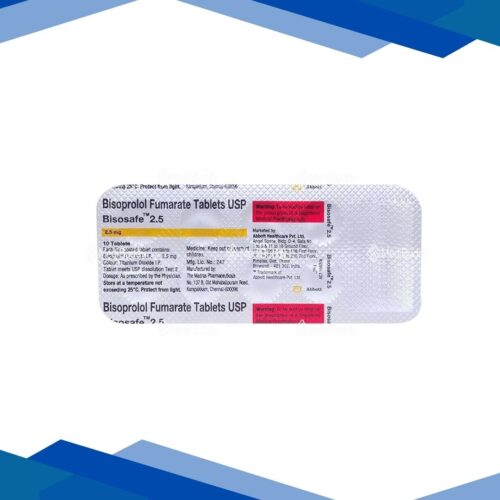
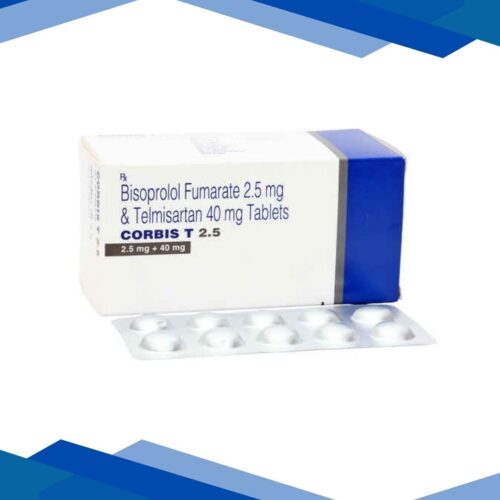
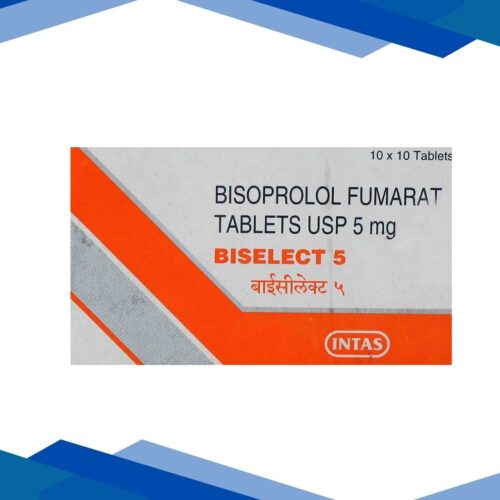
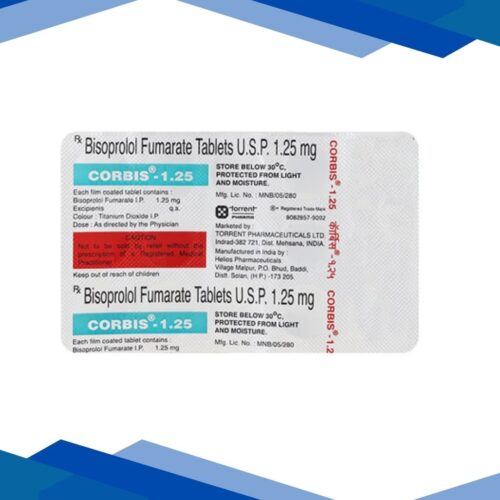
Bisoprolol Fumarate Tablets
Bisoprolol belongs to the class of highly selective Beta-blockers (Beta-1 cardioselective blockers). The doctor primarily prescribes it for managing high blood pressure (hypertension), angina pectoris (chest pain), and stable chronic heart failure. It works well by reducing the heart rate and allows the heart to pump blood through the body more effectively. This, in turn, reduces the workload of the cardiovascular system and processes, thereby preventing future complications of stroke, heart attacks, and ascending aorta dissection.
Therapeutic uses
• Hypertension: Effective in reducing blood pressure for cardiovascular event risk reduction.
• Angina Pectoris: Prevents and treats chest pain by improving oxygen supply to the myocardium.
• Chronic Heart Failure: Used primarily in conjunction with other drugs (such as ACE inhibitors and diuretics) to increase heart function and survival rates.
• Tachycardia: Helps control fast abnormal heart rate situations.
Mode of Action
Bisoprolol locates Beta-1 receptors at the myocardium and blocks the action of certain natural chemicals in the body such as adrenaline, resulting in:
Lowering Heart Rate: So that the heart can beat slower and regularly.
Lowering Blood Pressure: Reducing pressure from the walls of blood vessels and promoting the flow of blood.
Reducing Myocardial Strain: Which helps diminish force of contraction–an essential point to ease the condition of hearts recovering after damage.
Instructions for Use
Administration: Swallow your tablet whole with some water. Take it with or without some food.
Timing: Bisoprolol is generally taken once daily in the morning. Consume it at the same time every day to maintain an equal level of medication in the blood.
Consistency: Try not to miss a dose. If you do miss a dose, take it very soon: never double up on your dose later.
Common Side Effects
Side effects are for the most part quite mild and go away on their own. These include:
Coldness in hands or feet, a side effect of blood vessels contracting.
Continued weariness or tiredness.
Dizziness or feeling of the head spinning.
Feeling sick in the stomach.
Sluggish heart rate referred in terms of Bradycardia.
(Note: If there is a sudden onset of shortness of breath, wheezing or swelling of the ankles, see your doctor immediately)
Precautions and Safety Considerations
Asthma/Respiratory Disorders: Bisoprolol should be used cautiously in patients with asthma or COPD. Ensure your doctor is made aware of your respiratory history.
Diabetes: This medicine may mask signs of hypoglycemia such as palpitating rapidly. Keep an eye on your glucose level.
Sudden Cessation: Do not suddenly stop the therapy with Bisoprolol. Abrupt discontinuation of such treatment could induce the “withdrawal” effects-like jump in blood pressure or chest pain. Therefore, doses should be withdrawn properly and gradually under the watch of a healthcare provider.
Pregnancy: It should not be used in pregnant women unless the physician determines the treatment outweighs the risk. It can decrease blood supply to the placenta.
Frequently Asked Questions (FAQs)
Q: How long does it take for Bisoprolol to start working?
Bisoprolol starts working within a few hours to control blood pressure, but 2–6 weeks of regular use are usually required for full therapeutic effect in hypertension and heart failure.
Q: Can I drink alcohol while taking Bisoprolol?
It is good to keep alcohol consumption to a minimum. Alcohol heightened side effects of hypertension-lowering action of the drug may make you dizzy only and often enough to blackout.
Q: Does Bisoprolol cause weight gain?
Large weight gain is not a commonly occurring side effect of selective beta-blockers such as Bisoprolol. If you notice a sudden increase in the swelling or weight gain (and thus fluid retention), then these may be things that further indicate a deterioration in heart function, which should always be taken to your doctor.
Q: Can I drive my vehicle after taking the medication?
Bisoprolol may cause dizziness or lethargy, particularly when you begin treatment or when your dosage is altered. Refrain from driving or using heavy machinery until the effects of the drug show.
Q: What is the difference between Bisoprolol 2.5 mg and Bisoprolol 5 mg?
The dosage is determined by your doctor based on the severity of the condition. The initial dosage is mostly 2.5 mg for heart failure. However, the initial dose is usually 5 mg–10 mg for hypertension or angina.
