
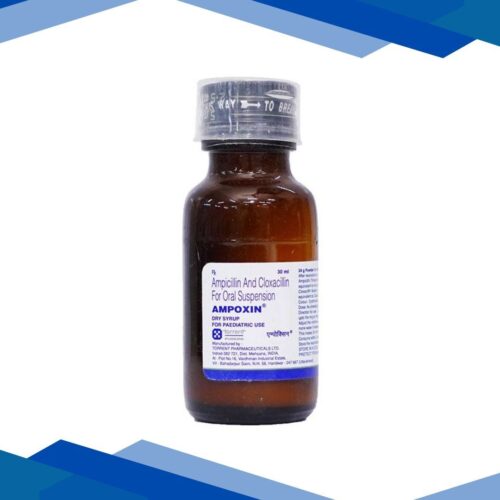

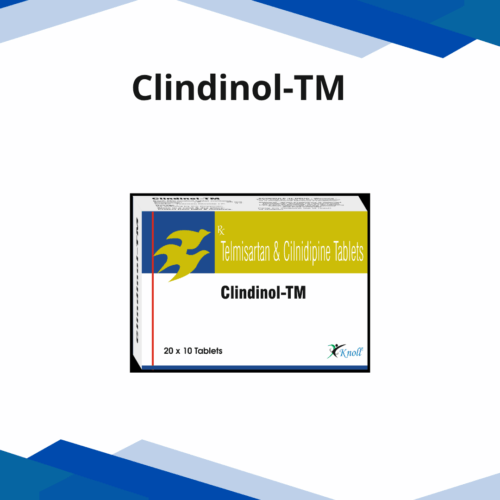
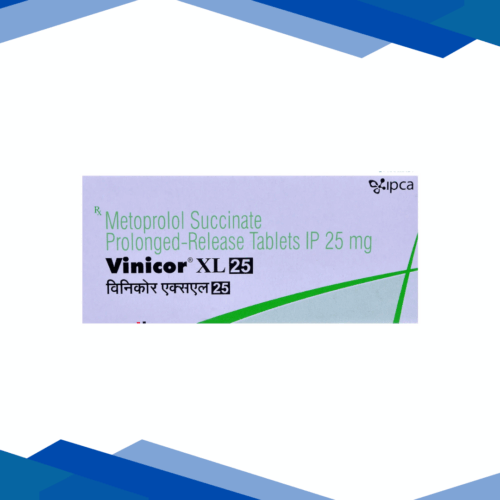
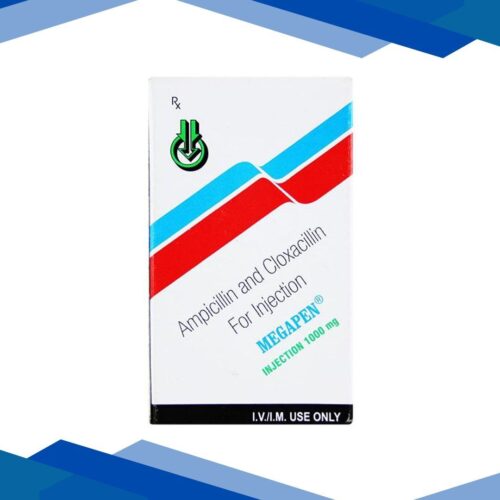


Showing the single result
Filter
Ustraa Intense Repair Shampoo 250 ml
Black Rice (Oryza sativa L.): The “Forbidden” Supergrain for Modern Health
The ancient grain Black Rice was once reserved for royal consumption because of its exceptional nutritional value, but today it is widely recognized as a modern superfood. The grain’s distinctive purple-black color comes from its high anthocyanin content, the same powerful antioxidants found in blueberries and blackberries, which help protect the body from oxidative damage and inflammation.
Therapeutic Benefits & Clinical Value
Cardiovascular Support: The phytochemicals found in black rice help maintain healthy HDL cholesterol levels and support arterial flexibility, promoting overall heart health.
Powerful Antioxidant Activity: Black rice contains more antioxidants than brown or white rice, helping neutralize free radicals that contribute to chronic diseases.
Liver Health Support: The phytonutrients in this grain assist the liver’s natural detoxification processes and may help reduce the accumulation of fatty deposits in liver cells.
Sustained Energy Release: Thanks to its low Glycemic Index (GI) and high fiber content, black rice releases energy gradually, making it a healthier alternative to refined grains.
Weight Management: The combination of fiber and plant protein helps promote satiety, allowing individuals to feel full for longer, which supports healthy weight management.
Nutritional Breakdown (Per 100g Serving)
Anthocyanins: Present in the highest levels among cereal grains, supporting eye health and cardiovascular protection.
Fiber: Helps maintain digestive health and supports regular bowel function.
Iron & Copper: Essential minerals required for red blood cell production and energy metabolism.
Vitamin E: A fat-soluble antioxidant that supports skin health and strengthens the immune system.
Usage & Preparation Tips
Soaking: To improve nutrient bioavailability and reduce cooking time, soak black rice for 30–60 minutes before boiling.
Cooking Ratio: Use a 1:2 ratio (1 cup rice to 2 cups water). During cooking, the water may turn deep purple due to the release of antioxidant-rich pigments.