


Showing 1–20 of 53 resultsSorted by popularity
Filter

SCALP DOSE BIO AMPOULE PP88 Liquid 10X5ml
SCALP DOSE BIO AMPOULE PP88 Liquid 10X5ml

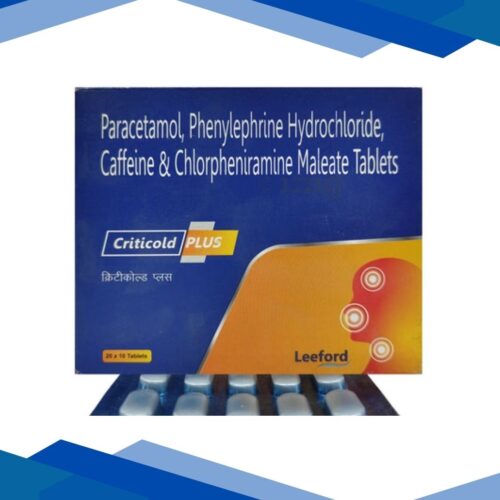
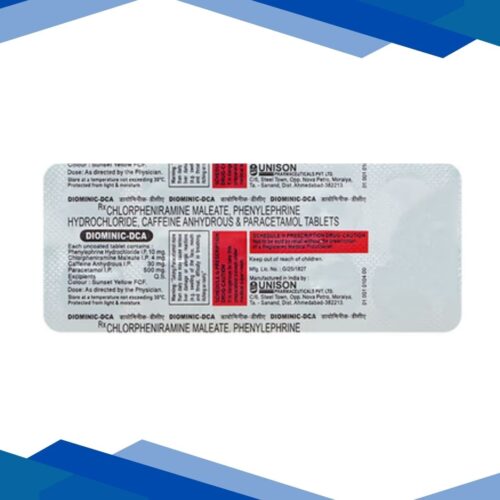
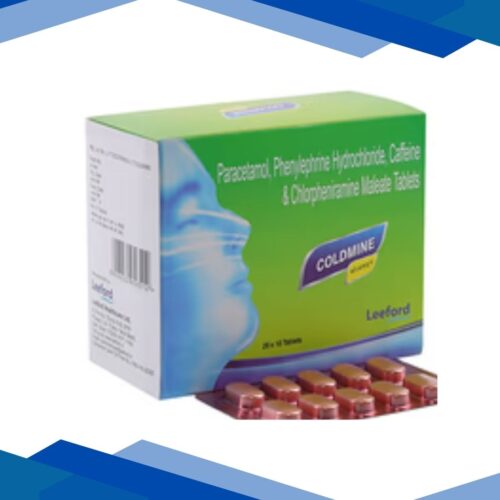

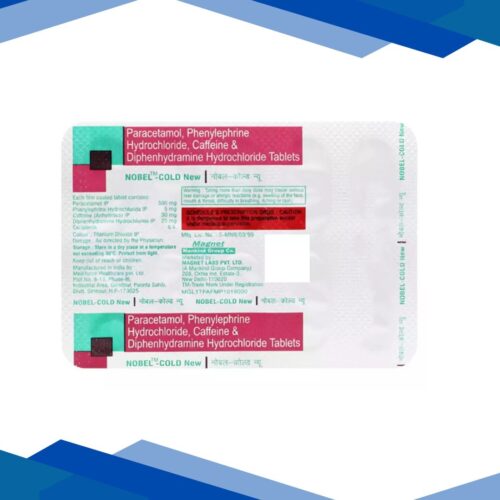
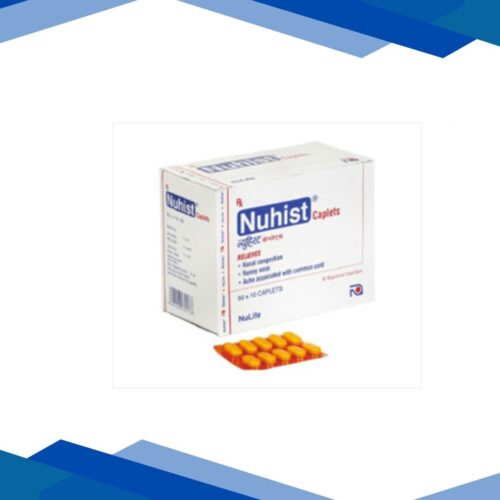


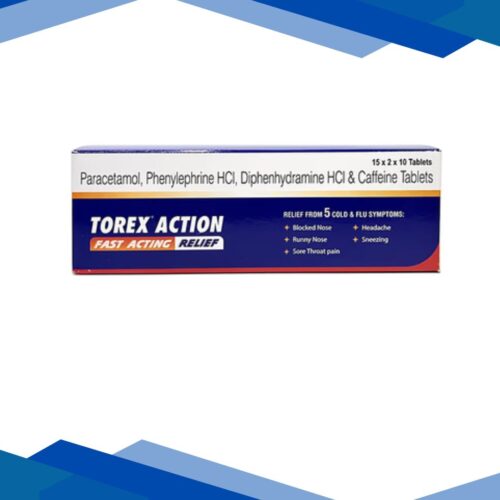
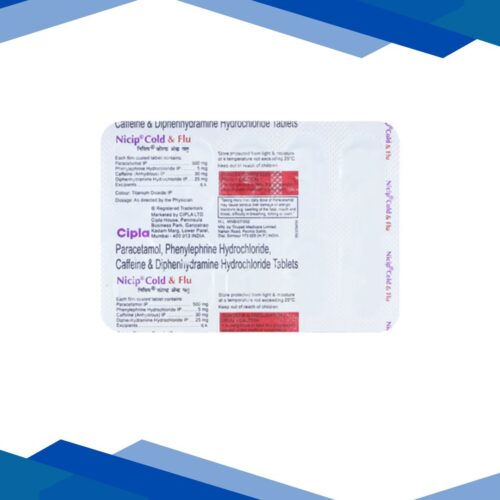
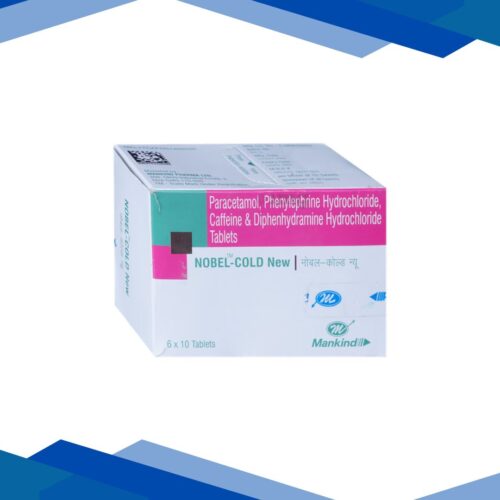
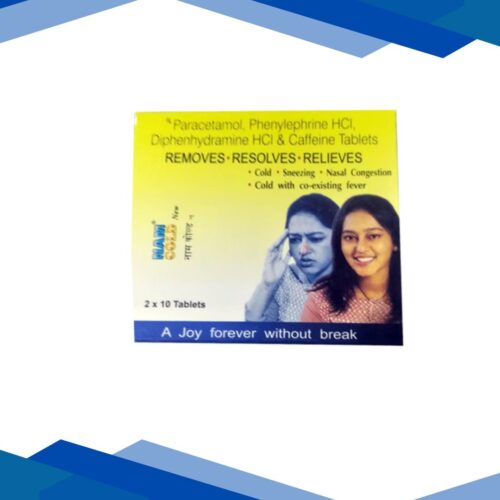
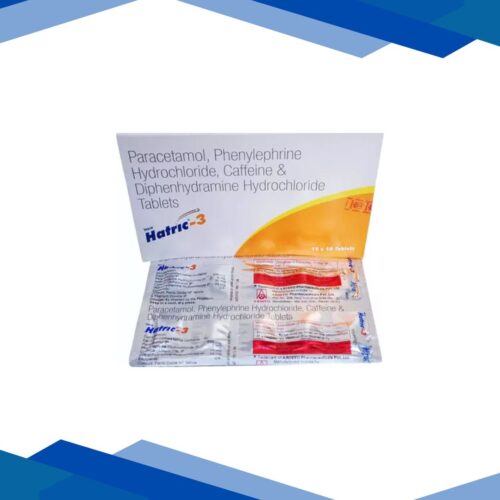
Caffeine 100/200 mg Tablet
Caffeine is a potent Central Nervous System (CNS) stimulant belonging to the class of methylxanthines. When fatigued or drowsy, most users will turn to this compound for a successful return to mental alertness or wakefulness. Instead of merely using Caffeine in the treatment of patient’s energy levels, the drug is very useful in aiding the treatment of pain medications giving great recourse to enhance analgesics along with Paracetamol or Aspirin and then in selected treatment conditions where respiratory symptoms are overt.
Indications
Mental Alertness: Serves as a quick aid to improved concentration and focus with a rapid cognitive processing speed.
Relief of Pain: Assists in the relief of migraines and tension headaches as an adjuvant.
Physical Performance: Reduces perception of effort and fatigue during high-intensity exercise.
Respiratory support: In a neonatal unit, under close medical supervision, Caffeine is used to manage apnea of prematurity.
Mechanism of Action
Caffeine works primarily as an adenosine receptor antagonist in the brain. Adenosine is a naturally occurring neurotransmitter that promotes relaxation and sleep; thus, by inhibiting its receptor binding, caffeine suppresses the onset of fatigue/lassitude. Additionally, it causes an excess release in the brain of the neurotransmitters dopamine and norepinephrine, which improve mood and make one more perceptive.
Usage/Dosage Instruction
For Adults: 100 to 200 mg every 3 to 4 hours as needed.
Maximum Doses: Not to exceed 400 mg in a 24-hour period.
How to Use: Swallow the tablet with water; it can be taken without food or with some light snack to reduce stomach acidity.
Safety Information and Warnings
Pregnancy and Breastfeeding: Limit intake. At high doses, they are linked with low birth weight. Consult your OB-GYN.
Cardiovascular diseases: Use with extreme caution if you have hypertension (high blood pressure) or even heart diseases, as these may cause increased heart rate.
Anxiety Disorders: Stress, tremors, and panic attacks can exacerbate symptoms in people with sensitivity.
Sleep Hygiene: Consumption of tablets past six hours before bedtime may cause sleep obstruction.
Possible Side Effects
Generally well-tolerated at recommended doses, yet some users may occur:
Nervousness or “jitters”
Increased heart rate (palpitations)
Urination: more frequent (diuretic effect)
Digestive Troubles or Heartburn
Headaches (Often associated with the withdrawal of caffeine)
Frequently Asked Questions
Q: Can I take Caffeine tablets instead of sleeping?
A: No. Caffeine tablets are a stimulant and not a sleep substitute. Caffeine has the ability to mask sleep with tiredness, and not to play a healing biological role in sleep.
Q: Can I combine these tablets with coffee or energy drink?
Limit other caffeine sources while taking these tablets, or else you could easily take a dose of 400mg or more throughout the day, which would easily exacerbate caffeine toxicity symptoms like severe anxiety or a racing heartbeat.
Q: Why is caffeine included in pain relievers?
Caffeine constricts blood vessels in the brain which helps the body absorb pain-relief medication like Ibuprofen 40 percent faster, thus enabling better relief from a migraine.
Q: Can caffeine cause dehydration?
Caffeine tends to encourage increased urination; the substances do not lead to dehydration in those who habitually consume enough fluids throughout the day.
Q: Can Children Take No-Doz Caffeine Tablets?
No-Doz tablets should be avoided in children under 12 years of age; adolescent consumption should be exercised only under parental or medical guidance.
Expert Opinion
Pro Tip: For beginners of caffeine, a dose of 100 mg or below will work in order for the beginning while assessing tolerance. Keep the “crash” under control by keeping yourself hydrated and getting the necessary amount of sleep without relying on stimulants for exhaustion you might get due to chronic lack of sleep.
Disclaimer: Information presented here is for educational purposes only, not in the place of professional medical advice. Consult your physician before starting the regimen mentioned herein.