







Showing all 7 resultsSorted by popularity
Filter
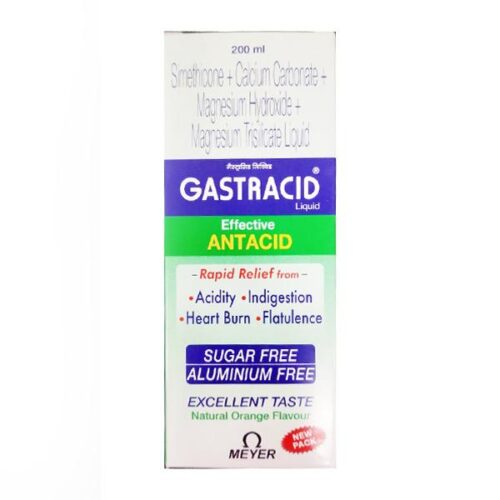
Gastracid Sugar Free Natural Orange Flavour New Pack Liquid 200ml
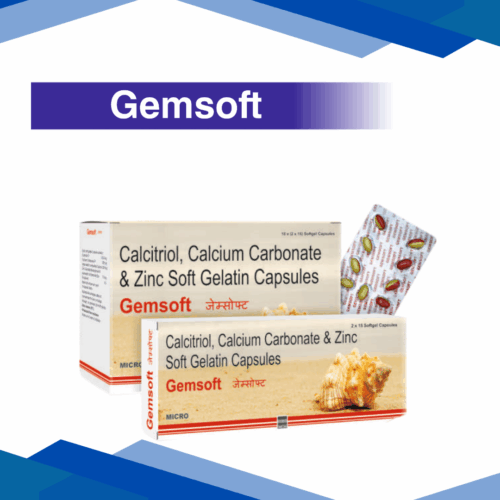
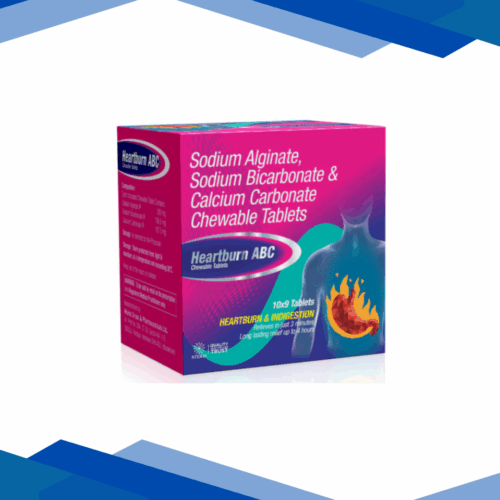
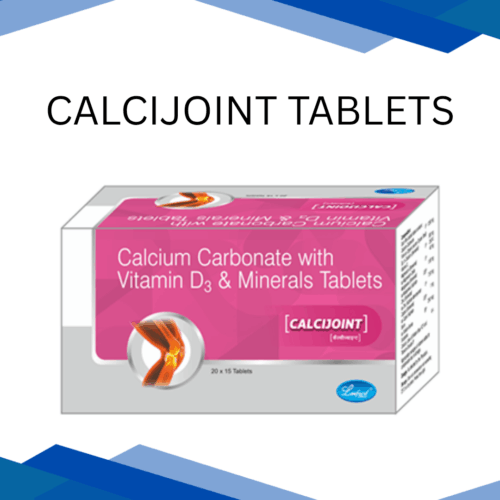
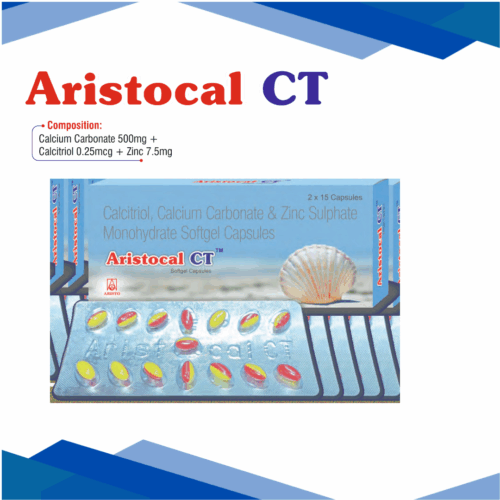
Calcium Carbonate: Essential Mineral for Bone Strength and Digestive Relief
Calcium Carbonate is a versatile mineral supplement widely used to support skeletal health and manage digestive discomfort. As one of the most concentrated forms of elemental calcium (approximately 40%), it is a primary choice for individuals looking to prevent or treat calcium deficiencies. Additionally, it serves as a fast-acting antacid to neutralize excess stomach acid.
Major Therapeutic Uses
Bone Health: It is a vital aspect of the prevention and treatment of both Osteoporosis and Osteomalacia.
Belching: Provides a fast buffer against acid reflux and any discomforting acidity.
Supplementation: Supplying the nutrients needed during pregnancy, breastfeeding, or postmenopausal needs, when calcium is more highly needed.
Indication: Sometimes used for extracting phosphate from blood in the case of Chronic Kidney Disease.
How It Works
In the skeletal system, Calcium Carbonate provides the necessary building blocks to maintain bone density and structural integrity.
In the digestive tract, it acts as a chemical buffer. When it enters the stomach, the carbonate ions react with gastric hydrochloric acid to neutralize it, effectively raising the pH level and stopping the “burning” sensation of reflux.
Expert Usage & Administration Tips
Take It with Food: Unlike Calcium Citrate, Calcium Carbonate requires stomach acid for optimal absorption. It is best taken immediately after a meal.
Drink Water: Keeps you hydrated throughout the day to help wash the mineral downward further to be fully absorbed by the body and prevent side effects like constipation.
500mg Is the Limit: In a single dose, the body requires about 500mg of elemental calcium; if your dose exceeds this amount, consume that larger dose into a few smaller ones taken during diverse times of the day.
Avoid Interactions: Do not take calcium within 2 hours before/after taking iron supplements, tetracycline antibiotics, or thyroid medications, as it can significantly reduce their effectiveness.
Calcium Carbonate: Frequently Asked Questions (FAQs)
Q: Is Calcium Carbonate the same as “Chalk”?
A: While they share the same chemical formula, the Calcium Carbonate sold for medicinal use is highly purified and processed under strict pharmaceutical standards to ensure it is free from contaminants and safe for human consumption.
Q: Can I take this every day for heartburn?
A: While it is effective for occasional relief, you should not use it as an antacid for more than two weeks straight without consulting a doctor. Persistent heartburn may indicate an underlying condition that requires different treatment.
Q: Why does my doctor suggest taking Vitamin D with my Calcium?
A: Vitamin D acts as a “key” that unlocks the door for calcium absorption in the intestines. Without adequate Vitamin D, your body may struggle to utilize the calcium you ingest, regardless of the dosage.
Q: What are the common side effects?
A: Some users may experience mild gas, bloating, or constipation. If these occur, try increasing your fiber intake or switching to a different form of calcium after speaking with a healthcare provider.
Q: Is it safe for pregnant women?
A: Yes, it is frequently recommended during pregnancy to support the baby’s bone development. However, always confirm the specific dosage with your obstetrician.
Quick Facts & Safety Profile
Feature: Elemental Calcium Content — High (~40% by weight)
Best Time to Take: With a full meal
Common Side Effects: Bloating, Constipation, Gas
Key Precaution: History of Kidney Stones
Safety Warning: Individuals with a history of kidney stones (calcium oxalate stones) or high levels of calcium in the blood (hypercalcemia) should use this supplement only under strict medical supervision.
