
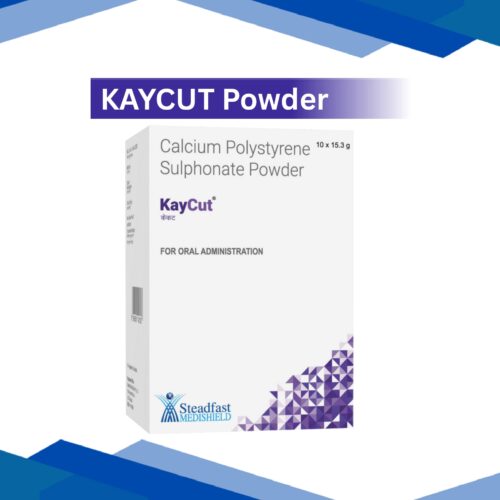
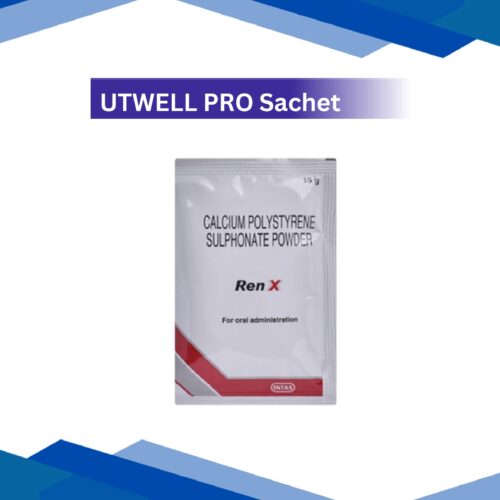
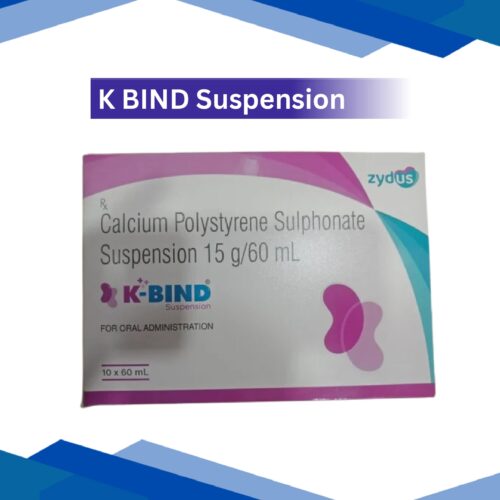
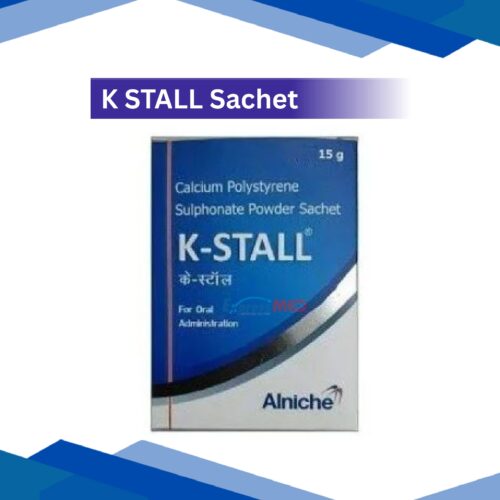
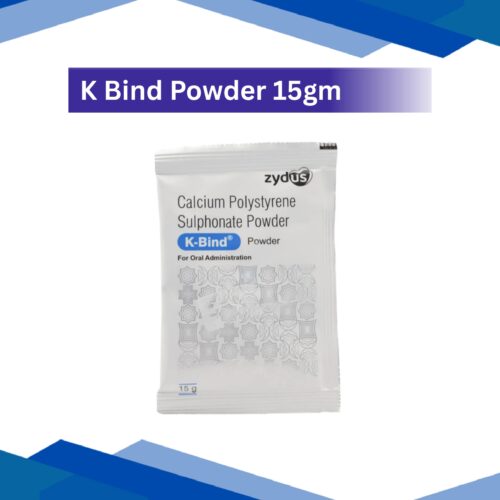
Calcium Polystyrene Sulfonate Resin in the Powder Form
This is a resin-like compound frequently used to remove high levels of potassium from the blood (hyperkalemia). Often, it is applied to patients with either acute or chronic renal insufficiency, most of whom go through dialysis. The resin actually takes hold of the extra potassium in the body, which, were it to remain in the body, should inevitably have brought chaos to the cardiovascular system. Any discharge of the excess in potassium in the body without undertakings in its prompt removal from the body would form one of the major imbalances. The tasked resources would be in disarray.
Major Therapeutic Benefits
Reduces Potassium Adverse Effects: It binds rapidly to high potassium ions in the large intestine where it pleads for its expulsion.
Support for the Renal System: It is like a blessing for those patients with kidneys that compromise the proper function of determining the rate of potassium removal plus assistance to prevent detrimental harm for the heart.
Cardioversion: Some cardiac conditions (key arrhythmias) end up with serious situations or even death. A special mention includes activities that draw abnormal rhythms in the heart in significant interdependent terms with electrolytes.
Collateral Power: It can be given early on by mouth and later aerially (enema) based on clinical necessity.
Organic Structure
The calcium counter chains bind to polystyrene sulfonate resin—the ion-exchange resin—and thus gets liberated to Ca ions against K ions as the resin fork consumes water through the GI. This unliable K is released into the gastrointestinal tract and escapes through the feces; this helps to reduce the plasma concentration of potassium in the whole body.
Instructions for Use
By mouth: Mix a prescribed dose (~15 g usually) in very small quantities of syrup or water (~3–4 ml per gram of calcium polystyrene sulphonate). Consume immediately. Keep away from fruit juices especially the fleshy ones (e.g., oranges), since they have a fair bit of potassium in them.
Rectal: The standard method involves the placement of the enema into the retention rectum and leaving it there for as long as 9 hours before starting the colonic evacuation.
Time: Take this drug at least 3 hours distant before taking any other oral drugs for assurance of absorption.
Third few Unwanted Effects
There are certain side effects, though rare, that may be experienced:
Nausea and vomiting
Binge eating
Constipation (high uncertainty severity if not followed regularly)
Stomach ache or gastric irritation
Alteration in electrolytes (low magnesium and high calcium)
Warning: For patients who experience severe abdominal pain, bloating, or rectal bleeding, it can signify rare potentially life-threatening bowel complications.
Precautions and Warnings
Colon Disorders: Do not use if you suffer from bowel obstruction. Patients with bowel obstruction or intestinal immobility increase their susceptibility to bowel disorders.
Sorbitol Warning: Avoid using medicines containing sorbitol with calcium polystyrene sulphonate resin as it can lead to severe intestinal injury.
Monitoring: Regularly monitor your levels of potassium, calcium, and magnesium via blood testing.
Pregnancy and Lactation: Consult your doctor. The information concerning this resin during pregnancy is limited. Only use it when your doctor considers it essential.
Frequently Asked Questions (FAQs)
Q: Why would the medicine make most juices off-limits?
Most of the fruits (or their juices), especially orange juice and prune juice, are already high in potassium. Since the main use of this medication is to bring down potassium levels, consuming these juices counteracts its effect.
Q: For how long does it take for calcium polystyrene sulfonate to work?
The effect is not immediate. It may take several hours to a few days as the medication passes through the gastrointestinal tract before potassium levels significantly decrease.
Q: Could this medicine cause increased calcium levels as a side effect?
Yes. Since the medicine releases calcium in exchange for potassium, some patients may develop hypercalcemia. Blood levels are monitored regularly to ensure safety.
Q: Could I get constipation if I am on this medication?
Yes, constipation is quite common. Consult your doctor for management; avoid self-medicating with laxatives (especially sorbitol) without advice.
Q: Is it safe to take my other cardiovascular medications at the same time?
No. The resin can bind with other medications and reduce their effectiveness. Maintain at least 3 hours gap (or 6 hours in slow gut motility cases) between doses.