




Showing all 4 resultsSorted by popularity
Filter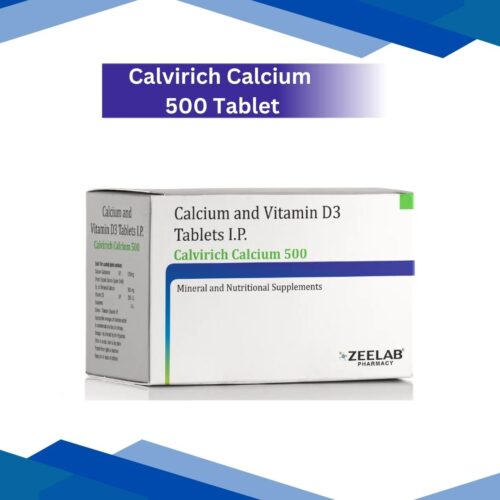
Calvirich Calcium 500 Tablet Zeelab Pharmacy Pvt Ltd

Calcium Chloride (10% Solution): Uses, Benefits, and Precautions
Calcium chloride is an incredibly powerful mineral supplement and electrolyte used in medical settings by administering it in order to restore blood calcium levels rapidly. It is also intimately linked with bone density, healthy heart function, and the proper movement and recovery of all muscle groups.
Despite its use in a hospital setting, some fundamental knowledge of its actions can lead to significant measures around one’s overall health and repair process.
How It Works
Calcium is known as “food for the bones” but is also very important as the body has to carry nerve impulses that should start from one nerve cell and travel to the next. Moving calcium inside cells is where calcium chloride shines as it rapidly elevates these ions from an easily absorbable source inside the bloodstream.
Key Benefits
Quick Calcium Boost:
Immediately offers major hypocalcemic states.
Cardiac:
Self-contained regular development during emergencies.
Support for Muscle & Nerves:
Including reduction in muscle tightening and support while conducting normal nerve junction functions.
Counteracting Toxicity:
Use of this medication in managing toxicities, such as of magnesium and calcium channel blockers, is commonly recommended.
Quick Safety Overview
Uses:
It is usually given in the form of a slow IV injection. Only a healthcare provider can administer this injection.
Interactions:
Inform your doctor about any medications you may be taking, like Digoxin (for the heart) or Ceftriaxone (an antibiotic), as they react with calcium.
Monitoring:
Regular blood checks of calcium are commonly considered imperative to ensure that levels are maintained to normal range.
Frequently Asked Questions (FAQ’s)
1. What is Calcium Chloride for?
The most common use of Calcium Chloride is for the treatment of hypocalcemia as an emergency. The drug is indeed very useful with aid in immediate heart resuscitation and treatment of magnesium and potassium imbalances that can negatively affect heart function.
2. How It Is Different From Calcium Gluconate:
Both are sources of calcium, but Calcium Chloride is the more potent of the two and contains about three times more elemental calcium than Calcium Gluconate. Being stronger, Calcium Chloride should be carefully administered to produce a lesser chance of irritating the vein.
3. Can I self-inject or use Calcium Chloride at home?
No. It requires precise intravenous administration and monitoring to make sure it does not produce heart or vein side effects.
4. What are the common side effects of this medication?
Some people complain of a heat wave or flavor of chalk or metal in their mouth during the injection. Other common side effects include:
- Redness or irritation at the injection site
- A temporary drop in blood pressure
- Nausea or sweating
5. Can I take it during pregnancy?
Calcium Chloride is only acceptable with a prescription and on the advice of your healthcare provider during pregnancy and lactation. Your healthcare provider will weigh the therapeutic benefits against any possible adverse effect on the baby.
6. Can I use it with other vitamins?
Ages may want to reconsider oral forms of vitamin D supplements. Vitamin D is absorbed better by the body in its liquid form.