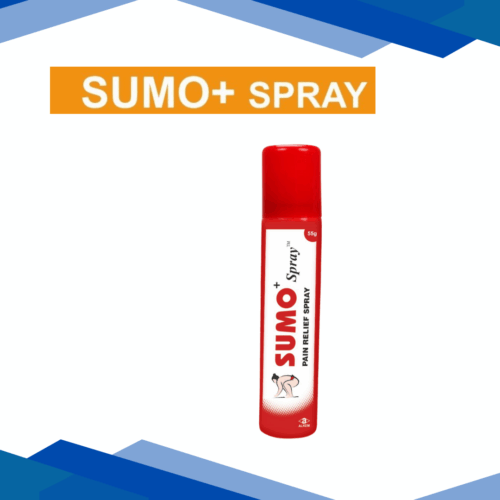
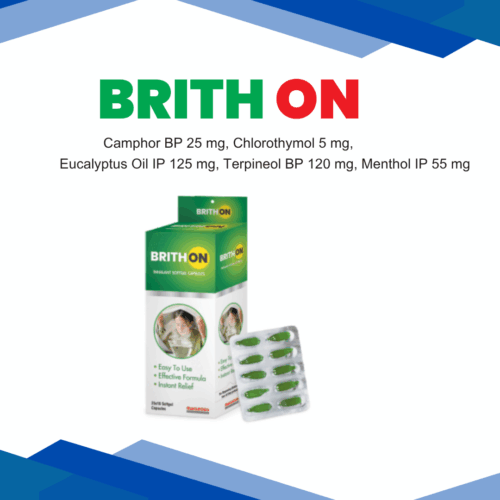
Camphor: Relief for Various Pain, Respiratory, and Skincare Purposes

Historically derived from the wood of the tree Cinnamomum camphora, camphor is a bicyclic monoterpene ketone that is now largely produced synthetically for pharmaceutical use. Known for its sharp aromatic odor and cooling sensation, camphor is commonly used in counter-irritant liniments, decongestant vapor balms, and antiseptic ointments.

When applied topically, camphor stimulates nerve endings, creating a cooling and mild irritant effect that helps reduce the perception of pain while also improving local blood circulation.


Therapeutic Uses & Benefits

Pain Relief (Counter-Irritant Effect): Camphor is widely used in topical balms and ointments to relieve muscle pain, joint stiffness, and minor sprains by stimulating sensory nerve receptors.

Respiratory Congestion Relief: In vapor rubs and inhalation preparations, camphor helps open nasal passages and ease breathing difficulties associated with cold and sinus congestion.

Antimicrobial & Antiseptic Support: Camphor exhibits mild antibacterial and antifungal properties, making it useful in topical skin preparations.

Skin Soothing Effect: When used in proper dilution, camphor can help reduce itching, irritation, and mild inflammatory skin conditions.


Traditional Use Methods

Steam Inhalation Method: Add a small amount of camphor to a vessel containing hot water and inhale the vapors to help clear nasal congestion. Always keep the eyes closed to avoid irritation.

Skin Patch Test: Before applying camphor externally, perform a patch test on the inner arm to check for possible skin sensitivity.


Safety and Precaution

EXTERNAL USE ONLY: Camphor must never be ingested. Even small quantities taken orally can lead to serious toxicity, including seizures or respiratory distress.

Avoid Open Wounds: Do not apply camphor on open cuts, damaged skin, or mucous membranes, as absorption may occur rapidly and lead to systemic toxicity.

Use With Children: Camphor products must be kept away from children. They should never be applied inside the nostrils or on the face of infants, as this may cause respiratory complications.

Concentration Limit: In over-the-counter topical preparations, camphor concentration is generally restricted to 11% or less for safety.


Frequently Asked Questions (FAQs)

1. Is camphor good for treating acne?

Although camphor has antibacterial properties, it can be too strong for delicate facial skin. In some cases, it may be used in spot treatments, but individuals with acne-prone skin should consult a dermatologist before using it to avoid irritation or chemical burns.


2. Why does camphor feel cold at first and then warm on the skin?

This sensation is due to its counter-irritant mechanism. Camphor first stimulates cold receptors, producing a cooling sensation, and then increases blood flow (hyperemia) in the area, which results in gentle warmth and muscle relaxation.


3. Is camphor safe during pregnancy?

Small topical amounts are generally considered low risk, but because camphor can be absorbed through the skin, pregnant or breastfeeding women should consult a healthcare professional before using camphor-based products.


4. How should camphor-based products be stored?

Camphor is volatile and highly flammable. Store products in an airtight container, away from heat sources, direct sunlight, and open flames, and keep them at moderate room temperature.


5. What are the symptoms of an allergic reaction to camphor?

Possible allergic reactions include redness, persistent burning sensation, itching, hives, or blistering of the skin. If any of these symptoms occur, wash the affected area with mild soap and warm water and discontinue use immediately. Seek medical attention if symptoms persist.

No products in the cart.