
Showing the single result
Filter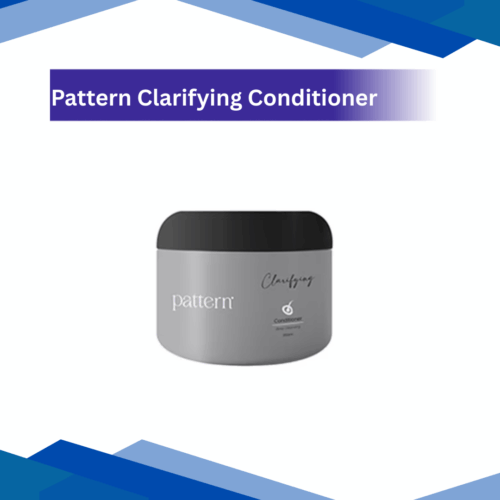
Pattern Clarifying Conditioner 200 ml
Canola oil, derived from the seed extracts of the canola plant (Brassica napus), represents one of the most versatile and nutritionally balanced cooking oils available today. It has gained recognition from several major health organizations for its heart-protective properties. Notably, it contains very low levels of saturated fat—less than half the amount found in olive oil—while being rich in monounsaturated fats, which are beneficial for cardiovascular health.
[Indeed: Canola oil poured in a clear bottle and presented with its nutrition facts]
Possible Uses and Health Benefits
Improved Lipid Profile: Due to its high monounsaturated fatty acid (MUFA) content, canola oil can help reduce LDL (“bad”) cholesterol when it replaces solid fats such as butter or margarine in the diet.
Rich Source of Omega-3: It provides Alpha-Linolenic Acid (ALA), an essential Omega-3 fatty acid that supports heart rhythm stability and may help reduce inflammation.
Antioxidant Support: The presence of Vitamin E strengthens the oil’s antioxidant properties, helping protect body tissues from oxidative stress while also supporting skin health.
Metabolic and Cardiovascular Support: Clinical observations suggest that canola oil may help maintain healthy blood vessels and support overall heart function, especially when replacing oils containing trans fats.
No Trans Fats: Naturally trans-fat-free, and the refining process removes cholesterol, making it a preferred choice for heart-healthy diets.
Nutritional Overview
Saturated Fat: Among the lowest of all natural oils, at approximately 7%.
Monounsaturated Fatty Acids (Oleic Acid): Around 65.43%, similar to the healthy fats found in avocados.
Omega-6 to Omega-3 Ratio: A balanced ratio of approximately 2:1, which may help reduce systemic inflammation.
High Smoke Point: Around 204°C, meaning canola oil remains stable during common cooking methods such as sautéing and frying.
Usage Tips and Safety Measures
Cooking Versatility: Its neutral flavor profile makes it suitable for salad dressings, baking, sautéing, and pan-frying.
Storage: Store in a cool, dark pantry. Because it contains high levels of unsaturated fats, prolonged exposure to heat or sunlight may lead to oxidation.
Processing Matters: Refined canola oil undergoes processes such as heating, bleaching, and deodorizing, which remove much of the natural aroma and flavor. Consumers seeking a more natural alternative may opt for cold-pressed or expeller-pressed canola oil, which is produced without chemical solvents such as hexane.
Frequently Asked Questions (FAQ)
1. Is Canola Oil the same as Rapeseed Oil?
They are related but not identical. Traditional rapeseed oil contains higher levels of erucic acid, which may be undesirable in large quantities. Canola oil—short for “Canadian Oil, Low Acid”—is specifically bred to contain very low levels of erucic acid, making it safe and suitable for human consumption.
2. Is Canola Oil better than Olive Oil?
Both oils offer distinct health advantages. Olive oil is well known for its polyphenols and Mediterranean diet benefits, while canola oil provides a higher smoke point and a good source of ALA (Omega-3). Because of this, canola oil may be better suited for high-heat cooking, whereas olive oil is often preferred for salads and light cooking.
3. Is Canola Oil genetically modified (GMO)?
Much of the commercial canola crop is genetically modified to improve pest resistance and crop yield. Individuals wishing to avoid GMOs can look for “Certified Organic” or “Non-GMO Project Verified” labels.
4. Can Canola Oil be used for skin or hair?
Yes. Canola oil contains Vitamin E, Alpha-Linolenic Acid, and various healthy fatty acids, making it a lightweight moisturizing oil. It can be used as a carrier oil for skincare or applied to hair ends to improve softness and shine.
5. Is Canola Oil suitable for people with heart disease?
Yes. Nutrition experts often recommend canola oil for individuals with high cholesterol or hypertension. When it replaces saturated fats in the diet, it may help lower total cholesterol and LDL cholesterol levels, supporting heart health.