

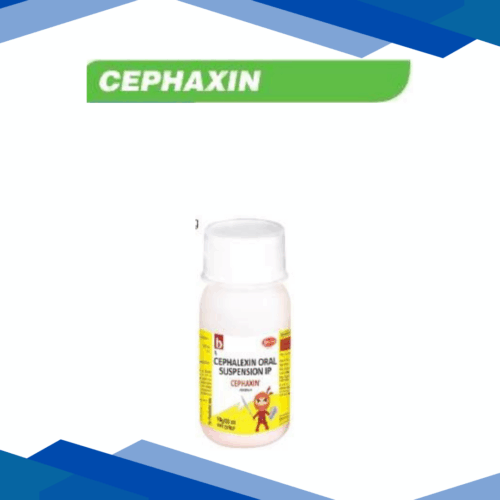
Text Cephalexin: Uses, Side Effects, and Expert Advice
Cephalexin is a common first-generation cephalosporin antibiotic. It is used for a wide range of gram-positive nitrogen-forming organisms by rupturing their cell-wall construction. If there is no cell wall, they will die, so your immune system would fight against the infection much better.
Usual Uses
The doctors frequently prescribe Cephalexin for these infections:
Skin Infections: Including impetigo, cellulitis, and infected wounds.
Urinary Tract Infections: Associated with an uncomplicated bacterium in the bladder and/or the kidney.
The Respiratory Tract: An effective treatment for strep throat and tonsillitis.
Bone & Joint: Treatment of osteomyelitis and septic arthritis.
Ear Infections: For otitis media in adults as well as children.
Health and Safety Snapshot
Group
Our Advice
Alcohol
Ice is better. Moderate alcohol may not be much of a bother with these antibiotics, but it can enhance dizziness or loosen the bowels to some extent.
Kidney Health
It would be necessary to adjust the dose slightly to avoid any complications associated with an impaired kidney.
Contraception
Cephalexin may slightly reduce the efficacy of oral birth control pills. Use an extra layer of protection.
Pregnancy
It is generally considered safe (Category B), but always inform your doctor first.
How to Take Cephalexin
Best Taken on an Empty Stomach: Absorption gets very speedy if taken at least 1 hour before, or 2 hours after any meal. However, it is entirely acceptable to be taken with meals if it upsets your stomach.
Say No to Missing a Single Dose: Always keep space between your doses whether they need to be spaced at 6 or 12 hours to maintain a steady level of medication in your blood.
Throw Away All Pills: Please do not leave any one pill in the blister pack, no matter how chic or high-tech it looks. Replace these capsules in the correct sequence to avoid confusion (and spills).
Finish Medication Even If Feeling Strong: Even if things have really improved for you on Day 3, go all the way to Day 10. Stopping can lead to antibiotic resistance.
FAQs: What Patients Often Ask
1. Is Cephalexin the same as Penicillin?
No, the two drugs are different but come from a similar family of beta-lactam groups. However, if you are allergic to Penicillin, you might still be able to take Cephalexin with some caution. People with severe reactions like to avoid it. Always double check with your doctor.
2. Does Cephalexin help in treating a sinus infection?
Yes, it does if the sinus infection is bacterial, and Cephalexin could cause trouble with any efforts to cure it. Cephalexin may work in the case of Cephalosporin-resistant infections; these are usually far less common. Cephalosporin should make no difference as an adjuvant with a sinus infection; the vast majority of sinusitis cases are viral.
3. I am experiencing diarrhea, what can I do?
Diarrhea is very common due to antibiotics. However, watery stools or blood in the stool need to stop immediately and you should inform your doctor. This means you could have acquired a C. diff infection that would require a completely different kind of treatment.
4. When does Cephalexin start working?
You might notice improvement within 24–48 hours with pain and fever reduction. In the case that you experience no improvement at all within three days, it may signal resistance to the bacteria and the prescription may need to be changed soon.
5. Does Cephalexin cause sensitivity to sunlight?
That is another issue to bring up. Tetracyclines are notorious for this problem. Cephalexin rarely causes sunlight sensitivity. Yet, taking care of your skin in the sunlight is worth the effort to entertain during any bacterial infection that you undergo.