
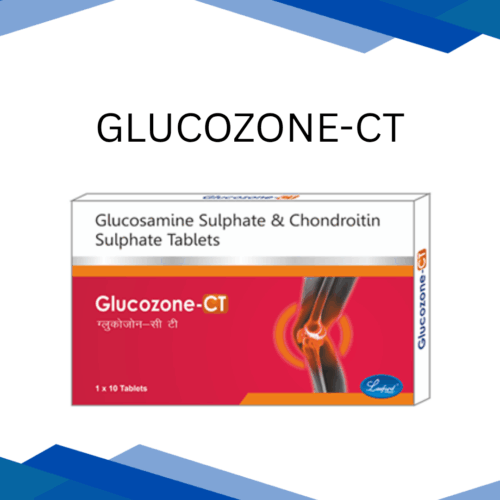
Chondroitin Sulphate: Help for Structure in Joint & Cartilage HealthChondroitin Sulphate is basically a glycosaminoglycan (GAG) found in the connective tissue of the human body, pitying that of the articular cartilage. It is a vital structural component in the extracellular matrix which is accountable for providing the cartilage its shock-absorbing properties and resistance to compression. In orthopedic clinical practices, it is known as a Symptomatic Slow-Acting Drug for Osteoarthritis (SYSADOA). The function includes attracting water inside the cartilage matrix, which helps to achieve viscoelasticity due to its inhibitory role of degrading enzymes in the cartilage.
Therapeutic Efficacy & Clinical Profile
Cartilage Protection: Receives enzymatic defense against elastase and hyaluronidase, both of which are key agents in the breakdown of the cartilage frame to affect ongoing degenerative joint diseases.
Anti-Inflammatory Action: Its anti-inflammatory effect is due to downregulation of the synthesized inflammatory mediators like Nitric Oxide and Prostaglandin E2, the major causes of chronic joint pain and swelling.
Enhanced Joint Lubrication: Its target activity involves the synthesis of the major molecules, Proteoglycans, and Hyaluronic Acid, required for body fluid to possess a viscosity that acts to protect the joint surfaces.
Better Mobility: Longer-term therapy is believed to alleviate joint stiffness and improve overall mobility of light to moderate degenerative joint disease cases.
9Synergetic Effect: It can be combined with Glucosamine, allowing for dual treatment on tissue regeneration and pain reduction.
Pharmacist’s Comparison: Chondroitin vs. Glucosamine
FeatureChondroitin SulphateGlucosamine (Sulphate/HCL)
Primary RoleProvides elasticity & shock absorptionActs as a “building block” for new tissue
MechanismInhibits formation of cartilage-destroying enzymesStimulates collagen production
SourceBovine, Porcine, or Marine shellSourceShellfish (Chitin) or Corn-based
AbsorptionLarge molecule; absorbed systemicallySmall molecule; rapid absorption
Usage & Dosage Guidelines
Standard Dosage: At 800 mg to 1,200 mg taken daily, it is almost always divided and taken as 400 mg to 600 mg taken twice daily. Administration: It should be taken during food ingestion to prevent any discomfort on the patient’s stomach through frequent acetaminophen. It is also useful in getting to the main problem and provide a real answer to the problem, rather than just soothing it.
FAQs
1. How does Chondroitin actually “rebuild” joints? Progressive in nature, Chondroitin inhibits further damage by neutralizing destructive enzymes and prevents cartilage hydration and lubrication, enabling existing cartilage to act in an elastic and frictionless manner, thus eliminating most pain and mobility issues.
2. Is Chondroitin Sulphate safe for everyone? In general terms, it is well tolerated by most people. However, people on anticoagulants such as Warfarin and Aspirin should consult with their physician since the likelihood of bruising and bleeding could rise a little bit due to a shared analogy in structure with Heparin, a blood thinner. Doctors have also indicated it might be a mild problem in itself because it rarely sparks any significant side effects.
3. Can I use this for a sports injury? Primarily combined with degeneration and wear and tear due to old age, it offers support for recovering post-injury of ligaments and tendons by supplying the building blocks necessary for tissue healing.
4. Is Chondroitin vegan-friendly? Much of what is considered medical-grade Chondroitin is derived from animals, i.e., chondroitin from either bovine cartilage or sharks. If you are a practicing vegan, you need to look for “Vegan Chondroitin,” which is synthesized to microbial fermentation.
5. Can it cause stomach upset? This enzyme may evoke the potential side effects of bloating, gas, or soft stools in an extremely low percentage of users. Consumption with a full meal should dampen these effects a little bit.
Safety & Storage Information
Monitoring: Those with diabetes must monitor their blood glucose levels closely when they begin using joint supplements as some research suggests little glue warning with glucose metabolism. Storage: Keep in a cool, dark place. A high humidity content would make the pills damp and sticky rendering them less potent or expiring.
Disclaimer: Anyone who wants to use the compound needs to consult with an orthopedic consultant or GP before building up on highly debated and gifted placebo GAGs based OTC medicine.