





Showing 1–20 of 45 resultsSorted by popularity
Filter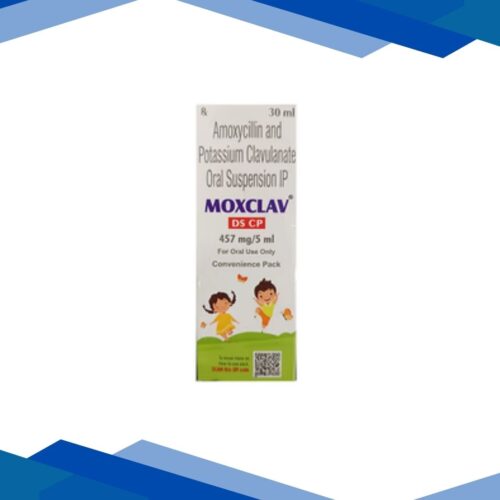
MOXCLAV DS CP Oral Suspension 30ml
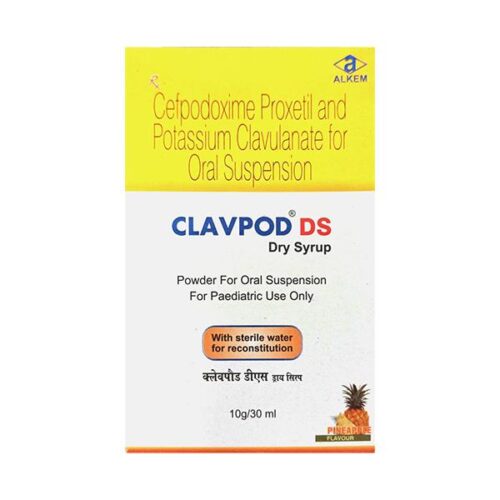
CLAVPOD DS PINEAPPLE FLAVOUR Dry Syrup 30ml
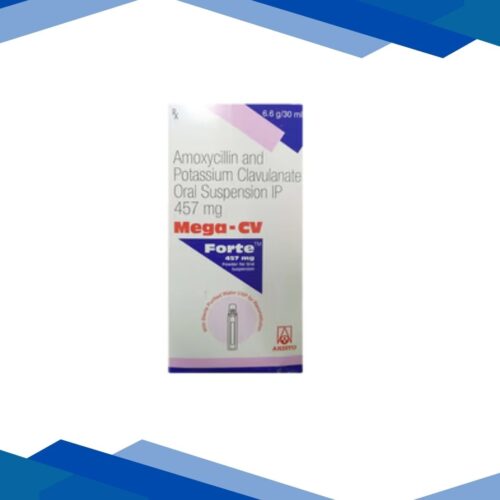
MEGA CV FORTE 457mg Oral Suspension 30ml

EVOXIL Mango Flavour Oral Suspension 60ml
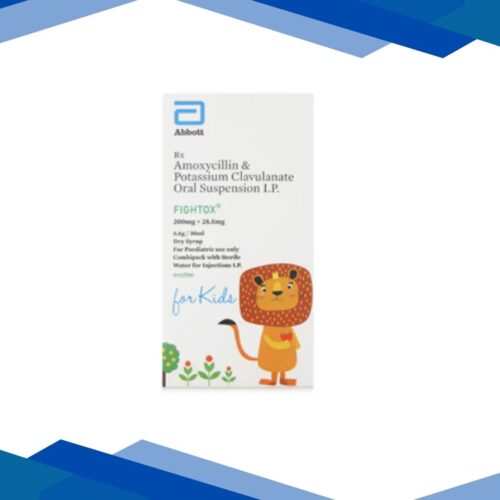
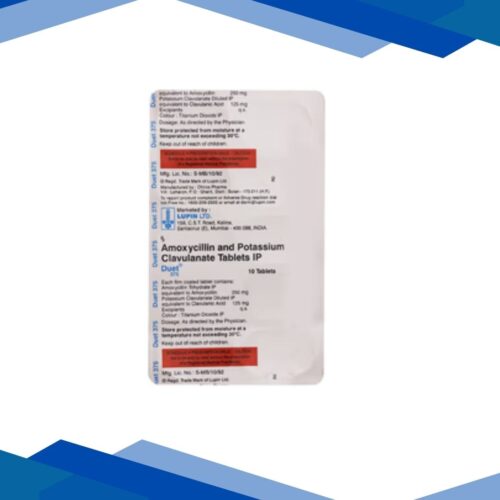
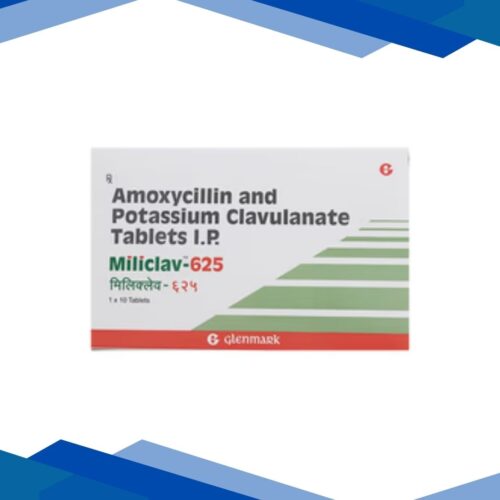
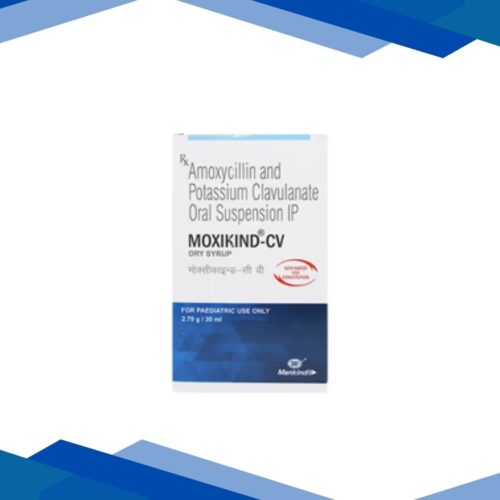
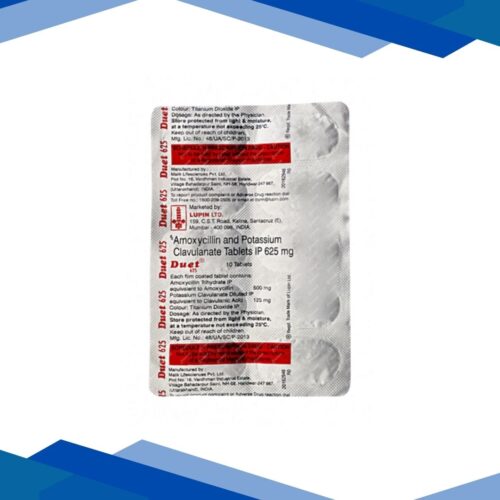
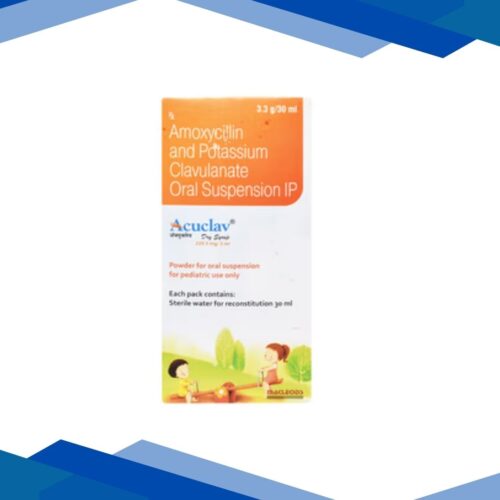
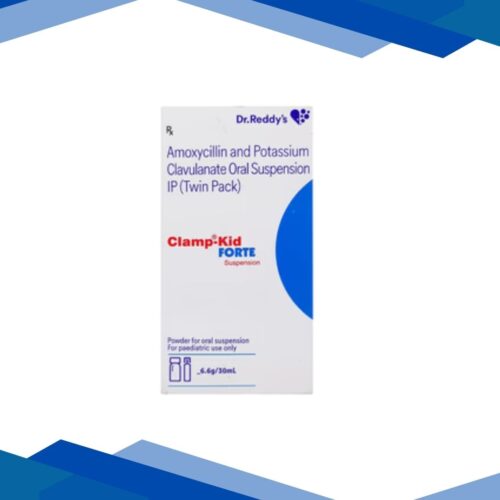
Clamp Kid Forte Suspension 30ml

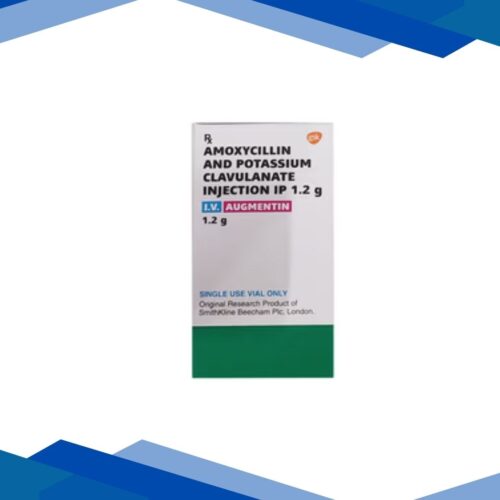
Augmentin 1.2Gm Injection 1’s
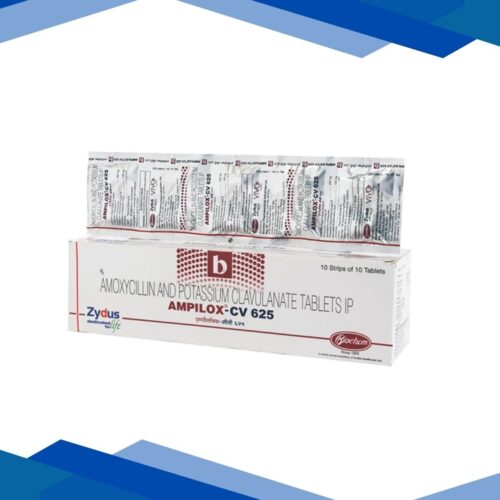
Ampilox CV 625mg Tablet 10’S
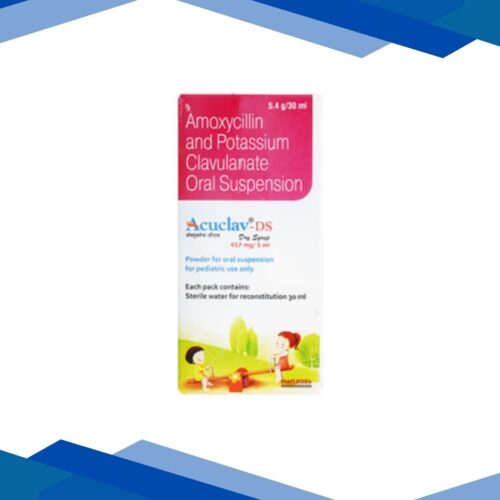
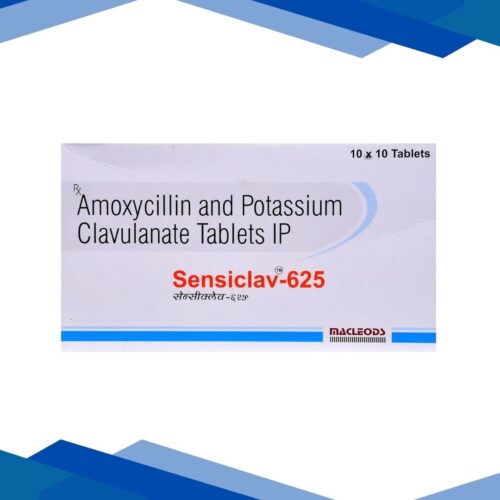
Sensiclav 625mg Tablet 10’S
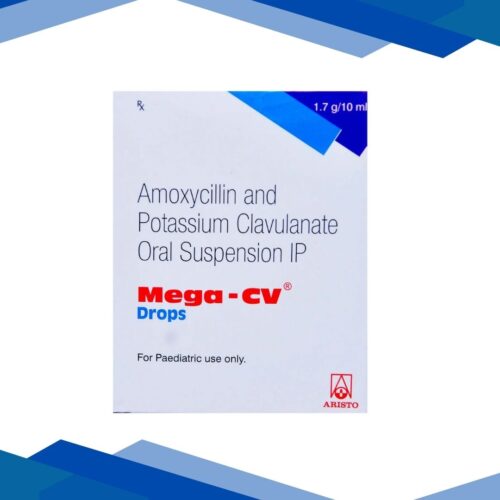
Clavulanic Acid (Potassium Clavulanate)
Clavulanic Acid is a potent beta-lactamase inhibitor. It has negligible antibacterial activity when used alone. Its principal action is the “shielding” of penicillin-group antibiotics from bacterial enzymes, preventing their destruction. By inhibiting bacterial enzymes (beta-lactamases), Clavulanic Acid allows antibiotics like Amoxicillin to effectively kill otherwise resistant bacteria.
Therapeutic Uses
Under certain conditions, Clavulanic Acid can be an important adjunct to antibiotics in the treatment of a variety of bacterial infections:
Respiratory Tract Infections: The treatment of serious chronic pneumonia, bronchitis, and sinusitis is supported.
Urinary Tract Infections (UTI): In the treatment of major bladder and kidney infection (pyelonephritis).
Skin and Soft Tissue Infections: It is used in cases of cellulitis, animal bites, and severe dental abscesses.
Ear and throat infections: Omnipotent in little children in case of prolonged Otitis Media (middle ear infection).
Bone and Joint Infections: Added up for severe cases of osteomyelitis due to resistance.
Clavulanic Acid-Bioavailability (Mechanism of Action)
A wide spectrum of bacteria produces an enzyme called beta-lactamase, which “breaks” the chemical ring of antibiotics like Amoxicillin, hence rendering them “inert.” Clavulanic Acid commits as a suicide inhibitor that attaches on to those bacterial enzymes permanently, further “distracting” them in order for the antibiotic to reach and destroy the bacterial cell wall.
How is the medicine given?
The medication comes in the following combined therapeutic combinations: 4:1 ratio or 7:1 ratio with amoxicillin (e.g., 500mg Amoxicillin, 125mg Clavulanic Acid).
Frequency: It is best to take it with the meal. This helps with absorption and decreases the chance of gastrointestinal upset.
Compliance: Take the complete course of medication, as prescribed by your doctor, even if you feel better early from symptoms, in order to prevent antibiotics resistance.
Side Effects and Safety
The combination with Clavulanic Acid has good tolerance, and the side effects may include:
GI problems such as the commonly related diarrhea, nausea, or abdominal pain.
Fungus Infections: Long-term use may lead to oral thrush and vaginal yeast infections.
Allergic Reactions: Rash and itches. If this happens, get emergency help immediately when swelling of the face, or difficulty in breathing.
Chemical Hepatitis: Chronic liver damage is a rare hepatic side effect with prolonged use and elderly patients.
Precautions and Warnings:
Allergy to Penicillin: Tell your doctor if you are allergic or had a severe allergic reaction to penicillin or to cephalosporins.
Liver/Kidney Affections: Dose adjustments are likely warranted in patients with severe renal or hepatic impairment.
Contraceptives: Some antibiotics temporarily reduce the effectiveness of birth control pills by mouth. Therefore, your healthcare provider may discuss alternative birth control methods while on treatment.
FAQs
Q: Will Clavulanic Acid cure a cold or flu?
No. Clavulanic Acid and its antibiotic partners were only made to treat bacterial infections. It has no effect against viruses like a cold, flu, or COVID-19.
Q: What happens if a person is advised to take Clavulanic Acid with Amoxicillin but not with Amoxicillin alone?
Today, many different bacteria have taught themselves how to make enzymes that eat Amoxicillin. The Clavulanic Acid put pay to the action of those enzymes. Therefore, it is necessary to take the two drugs combined. This is most often called Co-Amoxiclav.
Q: In case of diarrhea…
Loose bowel movements will be common. However, if the stools are watery or bloody and are accompanied by severe abdominal cramps, stop taking the medication and consult your doctor immediately, as it may indicate more serious intestinal inflammation (Colitis).
Q: Is it safe to take during pregnancy?
Amoxicillin-Clavulanate is included in the Category B drugs for pregnancy and is generally considered safe. Its use is warranted only in cases of medical necessity, as decided by a healthcare provider.
Q: Will Clavulanic Acid stain my teeth?
There have been very few reports of the superficial tooth discoloration of Clavulanate with a marked frequency in children. This is known to be removed either by simple brushing or through preventive professional dental cleaning.
