





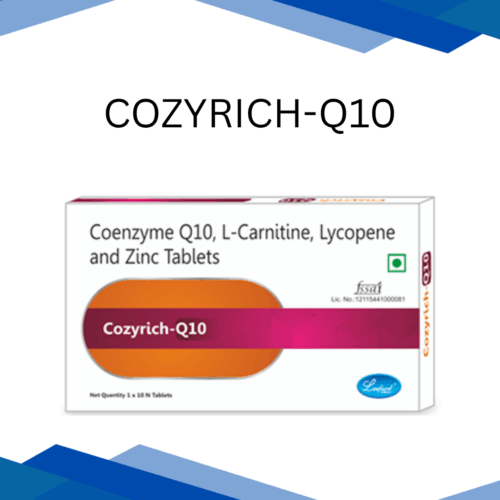
Coenzyme Q10 (CoQ10): The Cellular Energy Spark Plug
Coenzyme Q10, commonly referred to as CoQ10 or Ubiquinone, is a naturally occurring nutrient found in every cell of the human body. It plays a dual role: acting as a critical catalyst for energy production within the mitochondria and serving as a potent fat-soluble antioxidant that protects cells from oxidative damage.
As we age, or due to certain medications like statins, our natural CoQ10 levels tend to decline. Supplementation helps restore these levels, supporting heart health, muscle function, and overall vitality.
Primary Health Benefits
Cardiovascular Support: Enhances heart muscle function and helps maintain healthy blood pressure levels already within a normal range.
Cellular Energy Production: Vital for the synthesis of Adenosine Triphosphate (ATP), the primary energy currency of our cells.
Migraine Management: Clinical studies suggest that consistent CoQ10 intake may reduce the frequency and duration of migraine headaches.
Fertility Support: Improves egg quality in women and sperm motility in men by reducing oxidative stress in reproductive cells.
Statin-Induced Myopathy: Often recommended for individuals on cholesterol-lowering “statin” drugs to help alleviate muscle pain and weakness.
How CoQ10 Works in the Body
Think of CoQ10 as the “spark plug” in a car engine. It facilitates the transfer of electrons in the mitochondrial membrane, which is the final step in converting the food you eat into the energy your body uses to breathe, move, and heal. Beyond energy, it circulates in the blood to neutralize “free radicals”—unstable molecules that contribute to aging and disease.
Expert Usage & Supplementation Tips
Fat-Solubility: Because CoQ10 is fat-soluble, it should always be taken with a meal containing healthy fats (like avocado, nuts, or olive oil) to maximize absorption.
Form Matters: Ubiquinol is the reduced, active antioxidant form of CoQ10 and is often better absorbed by older adults or those with specific digestive concerns.
Time of Day: It is best taken in the morning or afternoon. Because it supports energy production, taking it late at night may interfere with sleep for some individuals.
Coenzyme Q10: Frequently Asked Questions (FAQs)
Q: How long does it take to see results from CoQ10?
A: While cellular levels begin to rise shortly after supplementation, it typically takes 4 to 12 weeks of consistent daily use to notice significant changes in energy levels or heart health metrics.
Q: Are there any side effects?
A: CoQ10 is remarkably well-tolerated. Rare and mild side effects may include digestive upset, nausea, or insomnia. These are usually resolved by adjusting the dosage or taking the supplement with food.
Q: Can I take CoQ10 if I am on blood thinners?
A: CoQ10 may make blood-thinning medications, such as Warfarin, less effective by potentially increasing blood clotting. Always consult your cardiologist before adding CoQ10 to your regimen if you are on anticoagulants.
Q: Why do doctors recommend CoQ10 with statin medications?
A: Statins work by blocking an enzyme in the liver to lower cholesterol. Unfortunately, that same enzyme is responsible for the natural production of CoQ10. Supplementing helps “refill” the levels that the medication depletes.
Q: Is CoQ10 safe during pregnancy?
A: While often used to support fertility, you should discontinue use or consult your OB-GYN once pregnancy is confirmed, as long-term safety data for use during pregnancy is still being established.
Product Comparison & Quick Facts
Feature: Ubiquinone (Standard) vs Ubiquinol (Active Form)
Best For: Younger adults / General wellness vs Seniors / Heart patients
Absorption: Moderate vs High (Bio-available)
Cost: Budget-friendly vs Premium
Primary Goal: Energy & Antioxidant support vs Superior cellular recovery.
