Showing the single result
Filter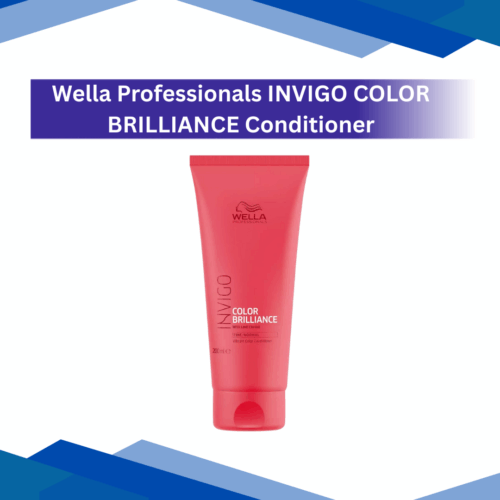
Wella Professionals INVIGO COLOR BRILLIANCE Conditioner
Copper (Chelated/Sulphate): Health Benefits, Dosage, and Side Effects
Copper is a vital trace mineral with an unobtrusive personality responsible for maintaining overall body health. Even in small amounts, it is indispensable for energy production, nervous system function, and immune responses. Copper plays an important role in many metabolic processes, including red blood cell formation and bone development.
How Does It Work?
Copper acts as a cofactor in several enzymes known as cuproenzymes. These enzymes enable a variety of essential biological functions:
Iron Metabolism: Helps the body process and utilize iron, reducing the risk of anemia.
Collagen Formation: Supports the integrity of skin, bones, and connective tissues.
Antioxidant Defense: Protects cells from oxidative stress and free radical damage.
Contraindications
Guidance Mode
Alcohol: Alert. Excessive alcohol consumption may interfere with copper absorption. It is advisable to limit alcohol intake when taking therapeutic copper supplements.
Pregnancy: Safe within the Recommended Daily Allowance (RDA). Always consult your OB-GYN before starting supplementation.
Wilson’s Disease: Not recommended. Individuals with Wilson’s disease or disorders involving copper accumulation should avoid copper supplements.
Zinc Imbalance: High doses of zinc may reduce copper absorption. Long-term zinc therapy may require balanced copper supplementation.
Primary Benefits of Copper
Improves Immunity: Supports the production of white blood cells (neutrophils) that help fight infections.
Brain Health: Helps with the synthesis of neurotransmitters, supporting healthy brain signaling.
Cardiovascular Support: Helps maintain normal blood pressure and balanced cholesterol levels.
Heart Health: Supports overall cardiovascular function.
Radiant Skin: Promotes melanin production and collagen synthesis, helping maintain healthy and elastic skin.
Possible Side Effects
Although rare at recommended doses, some individuals may experience:
Gastrointestinal Issues: Nausea, vomiting, or stomach cramps.
Taste Changes: A temporary metallic taste in the mouth.
Signs of Overdose: Dizziness, headache, or unusual fatigue.
Long-Term Overuse: Excessive intake may damage the liver or kidneys.
Pro Tip: Taking copper supplements with meals may help reduce stomach irritation and improve tolerance.
Frequently Asked Questions
1. Should you get copper from food or a supplement?
For most healthy adults, dietary sources such as nuts, seeds, shellfish, and dark chocolate provide sufficient copper. However, supplementation may be recommended for individuals with malabsorption conditions, such as celiac disease, or those taking high-dose zinc therapy.
2. Can copper and vitamin C be taken together?
Yes. There is no major interaction between them. Some research suggests that vitamin C and copper may work together to support skin repair and collagen synthesis.
3. What are the signs of copper deficiency?
Common signs may include fatigue (anemia), frequent infections, pale skin, or premature graying of hair. In severe cases, symptoms like tingling (“pins and needles”) or balance problems may occur.
4. How long do copper supplements take to work?
For nutritional deficiencies, many people notice improvements in iron levels and energy within 4–6 weeks of consistent supplementation.
5. Why do some people wear copper bracelets?
Some individuals believe copper bracelets may help relieve arthritis or joint pain. However, scientific evidence is limited, and the most reliable way to correct copper deficiency is through diet or oral supplementation.