
Cromolyn Sodium: Uses, Side Effects, and Mechanism
Cromolyn sodium is a medication known specifically as a mast cell stabilizer. Unlike many allergy medications that treat symptoms after they appear, Cromolyn sodium works to prevent allergic reactions before they occur. It is particularly useful in managing chronic conditions such as asthma, allergic rhinitis, and certain gastrointestinal problems associated with systemic mastocytosis.
Mechanism of Action
Cromolyn Sodium acts as a protective shield for the immune system by blocking mast cells (a type of white blood cell) from releasing inflammatory chemicals such as histamine and leukotrienes. By preventing mast cell activation, it helps stop swelling, mucus production, and airway constriction, which are common triggers of allergic discomfort.
Principal Usage and Benefits
Prophylactic Asthma Care: Used regularly to prevent asthma attacks, especially those triggered by exercise or environmental exposure.
Allergic Rhinitis: Helps reduce sneezing, itching (pruritus), and nasal discharge (rhinorrhea).
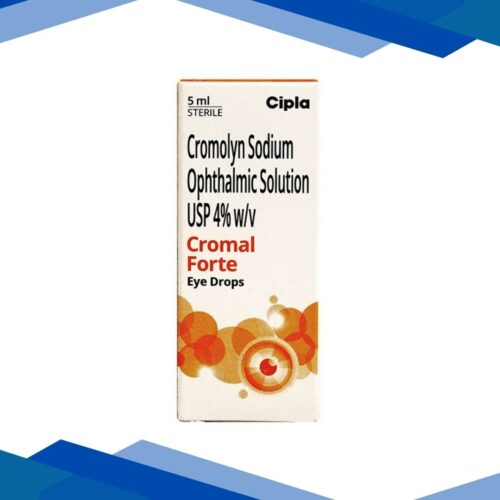
Ocular Allergies: Specialized eye drops are used to manage allergic conjunctivitis, including itching and irritation caused by seasonal allergens.
Food Allergies and Mastocytosis: The oral form may help manage severe allergic reactions in the gastrointestinal tract.
Safety and Usage Precautions
Category
Clinical Advice
Alcohol: Generally safe in moderation, but heavy alcohol intake may worsen underlying inflammatory conditions.
Pregnancy: Category B. Usually considered safe, but medical consultation is recommended to evaluate the risk–benefit balance.
Breastfeeding: It is unclear whether Cromolyn passes into breast milk. Use with caution and medical advice.
Driving: Typically does not cause drowsiness, but patients should monitor their response before operating machinery or vehicles.
Common What-to-Expect Symptoms
Cromolyn sodium is generally well tolerated because it is steroid-free. However, mild side effects may include:
Inhalation/Nasal: Mild throat irritation, cough, or temporary sneezing.
Ophthalmic: Brief stinging or burning sensation in the eyes.
Oral: Occasional headache, skin rash, or mild to moderate nausea.
Important Tip
The primary purpose of Cromolyn is prevention. Once an acute asthma attack has already started, the medication will not provide immediate relief. Individuals with COPD will also require different medications. Patients should always carry a rescue inhaler, such as Albuterol, for emergency situations.
Frequently Asked Questions (FAQs)
1. Is Cromolyn Sodium a Steroid?
No. Cromolyn Sodium is a mast cell stabilizer, not a corticosteroid. This makes it suitable for long-term use in many patients, including children, who may not tolerate prolonged steroid therapy.
2. How long does Cromolyn Sodium take to start working?
It must be used regularly to build its protective effect. Improvement may begin within a few days to one week for asthma. For allergic rhinitis, improvement usually appears after 1–2 weeks, with maximum benefit around 4 weeks.
3. Can I use Cromolyn Sodium only when I feel an allergy coming on?
Cromolyn works best when used preventively and consistently. For example, using it 15–30 minutes before exposure to a known trigger—such as exercise or contact with pets—can improve its effectiveness.
4. Do I need dietary restrictions when using the oral form?
When taking oral Cromolyn for food allergies or mastocytosis, it is generally recommended to take it 15–20 minutes before meals. This allows the medication to coat the gastrointestinal tract and stabilize mast cells before food enters the system.
5. Is it safe for children?
Yes. Cromolyn sodium is commonly prescribed for childhood asthma and allergies. The dosage and delivery method (such as nebulizer or inhaler) should always be determined by a pediatrician.