


Showing all 2 resultsSorted by popularity
Filter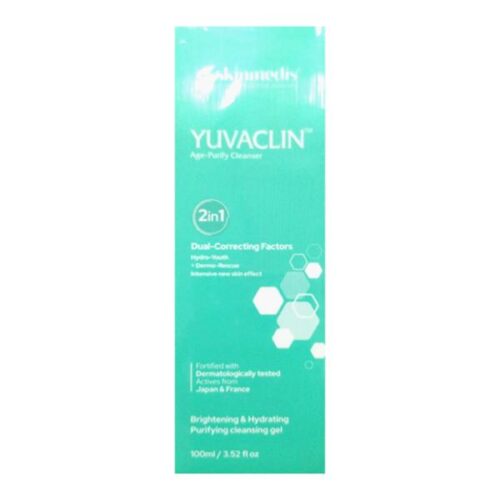
YUVACLIN AGE PURIFY Cleanser 100ml
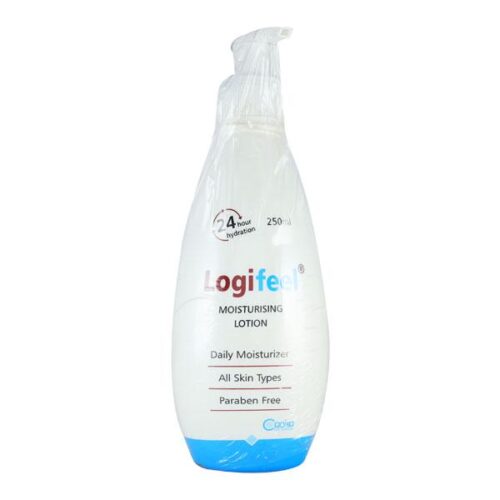
LOGIFEEL MOISTURISING Lotion 250ml
D-Panthenol: The All-Inclusive Body Hydrator and Skin Regenerator
D-Panthenol is the alcohol analog to Pantothenic Acid, or Vitamin B5. A supercharged ingredient is used in pharmaceuticals or cosmetics, with an emphasis on humectant properties and a restorative function toward deep-tissue repairs. D-Panthenol would have been an acknowledgment of enhanced ability for maintaining dry, irritated, or damaged skin and hair.
Key Therapeutic Benefits
- Quick Wound Healing: It works wonders on rejuvenation, a.k.a. “epithelialization,” for the damaged skin—needful for treating minor burns and cuts and hiding post-surgical scars.
- Hydrating Action: As a very deep humectant, it penetrates even the lower levels of the skin’s stratum to seal in water.
- Anti-inflammation: Without unpleasantly increasing redness, itching, and irritation associated with the likes of eczema, contact dermatitis, diaper rash, and so forth.
- Barrier Attainment: As it fusses with the natural lipid barrier of the skin, there will very little water that escapes (Transepidermal Water Loss) and does a good job protecting against environmental stressors.
- Hair & Nail Health: At a simple level, it can prevent hair from thinning and split ends while moisturizing dry and brittle nails.
The Working of D-Panthenol
D-Panthenol undergoes rapid conversion upon topical application into Pantothenic Acid, a.k.a. Vitamin B5. This vitamin is a Sandpiper in cellular Krebs cycle metabolism. It also fosters skin-cell repair. It encourages the division and growth of fibroblasts, collagen-and-elastin-producing cells, enhancing naturally followed healing up.
Application & Expert Usage Tips
- Post-Procedure Care: Applied ubiquitously by dermatologists after chemical peels, laser treatments and tattooing to calm the patient’s skin, allowing for a scar-free recovery.
- Layering for Hydration: It works well with serums—misting your skin before applying them helps maximize the water-binding properties.
- Safe for All: The gentle nature of D-Panthenol makes it great for any skin type, even for infants.
D-Panthenol: Frequently Asked Questions
Q: Is D-Panthenol safe for acne-prone skin?
A: Yes. D-Panthenol is non-comedogenic, meaning it will not clog pores. In fact, its anti-inflammatory properties can help soothe the redness and irritation often associated with inflammatory acne.
Q: Can I use D-Panthenol products daily?
A: Yes. D-Panthenol is highly stable and non-irritating. Regular use is a good way of maintaining the skin barrier and preventing dryness especially in harsh weather conditions.
Q: What is the difference between Panthenol and D-Panthenol?
A: Only the D-form has biological activity regarding L-Panthenol. Only the D-form of Panthenol can be converted to Vitamin B5 in the human body, so high-quality science-rated formulations would primarily see “D-Panthenol” or “Dexpanthanol.”
Q: Can it help with sunburnt skin?
A: Sunburn is one of the best intentions of using that product. It instantly cools and stings the skin to near zero and gives the much-needed hydration to limit the flakey and irritating peel.
Q: Can D-Panthenol be used on open wounds?
A: Good for small cuts and stage 1 post-trauma wounds. For deep, infected open wounds or very hemorrhaging wounds, seek medical advice while treating an open wound with this topical cream.
Quick Comparison: D-Panthenol vs. Other Hydrators
Feature
D-Panthenol
Hyaluronic Acid
Glycerin
Primary Goal
Repair & Soothe
Surface Hydration
Moisture Retention
Healing Ability
Very High
Low
Low
Penetration
Deep
Varies by Molecular Weight
Superficial
Best For
Damaged/Sensitive Skin
Dehydrated Skin
Daily Maintenance
Safety & Storage Information
- Storage: Store in a cool dry place and protect from penetration by direct sunlight which is required to maintain the stability of the Provitamin.
- Sensitivity: Discontinue use if you develop a sudden rash or swelling that keeps getting worse and consult a licensed dermatologist, though fewer cases have been reported.
