


CORCIUM HD Tablet 10’s
Bold Care Extend Delay Spray 50 g

Aciloc Only Oral Liquid 100ml
What are you looking for?
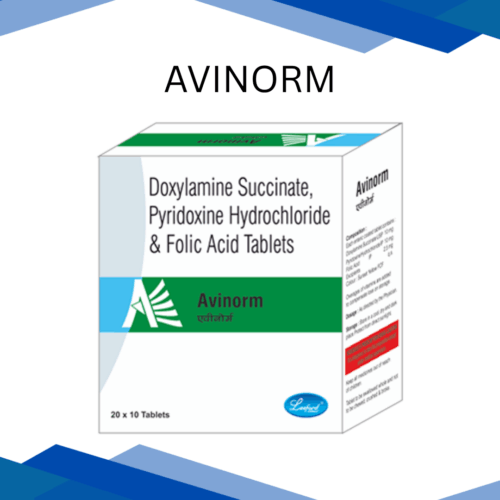
Doxylamine is a first-generation sedating antihistamine belonging to the ethanolamine class. While many antihistamines are used primarily for allergies, Doxylamine is highly regarded for its potent sedative properties, making it an effective short-term treatment for insomnia (difficulty falling asleep). It is also frequently found in multi-ingredient cold and cough formulations to relieve symptoms like sneezing, runny nose, and watery eyes, while helping the patient rest.
How It Works
Doxylamine works by competing with free histamine for binding at H1-receptor sites. By blocking these receptors in the brain, it reduces the “wakefulness” signals, thereby inducing drowsiness and helping the body transition into sleep.
Therapeutic Uses
-
Short-term Insomnia: Helps individuals fall asleep faster and stay asleep longer during temporary sleep disturbance.
-
Common Cold Symptoms: Alleviates upper respiratory symptoms including rhinitis and sneezing.
-
Allergic Reactions: Manages symptoms of hay fever and other airborne allergies.
Expert Tips: Safety & Usage
-
Timing is Everything: If using for sleep, take the dose approximately 30 minutes before bedtime. Ensure you have at least 7–8 hours available for sleep to avoid “morning grogginess.”
-
Avoid “Double-Dosing”: Doxylamine is often a “hidden” ingredient in night-time cold syrups. Always check other medications to prevent accidental overdose.
-
Short-Term Use Only: Intended for temporary relief (usually not exceeding 2 weeks). Consult a healthcare provider if insomnia persists.
-
Hydration: First-generation antihistamines like Doxylamine can cause dry mouth. Keep water nearby or use sugar-free lozenges.
Potential Side Effects
While effective, Doxylamine may cause:
-
Significant daytime sleepiness or “hangover” effect.
-
Dryness of the mouth, nose, or throat.
-
Blurred vision or urinary retention (especially in older adults).
-
Occasional stomach upset or constipation.
Safety Quick-Check
| Category | Safety Status | Recommendation |
|---|---|---|
| Alcohol | Unsafe | Alcohol significantly increases the sedative effect, leading to dangerous drowsiness. |
| Pregnancy | Consult Doctor | Often used for morning sickness (in specific combinations) but only under medical supervision. |
| Driving | Unsafe | Do not operate machinery or drive until effects have worn off. |
| Elderly | Caution | High risk of confusion, dizziness, and falls. Lower doses are usually recommended. |
Frequently Asked Questions (FAQs)
-
What is the difference between Doxylamine and Doxylamine Succinate?
Doxylamine is the active base molecule, while the “Succinate” version is the salt form most commonly used in manufacturing for stability and better absorption. Both provide the same antihistamine and sedative benefits. -
Can I get addicted to Doxylamine?
Doxylamine is not a controlled substance or chemically addictive like benzodiazepines. However, tolerance can develop quickly, reducing effectiveness if used nightly for long periods. -
Why do I feel dizzy the morning after taking it?
This “medication hangover” occurs because Doxylamine has a relatively long half-life. Taking it earlier in the evening or reducing the dose may help. -
Can children take Doxylamine for sleep?
Generally not recommended unless directed by a pediatrician. It can cause paradoxical excitation, making children hyperactive instead of sleepy. -
Is it safe to take if I have Glaucoma?
Patients with narrow-angle glaucoma should avoid Doxylamine. Its anticholinergic effects can increase eye pressure and worsen the condition.