


Showing the single result
Filter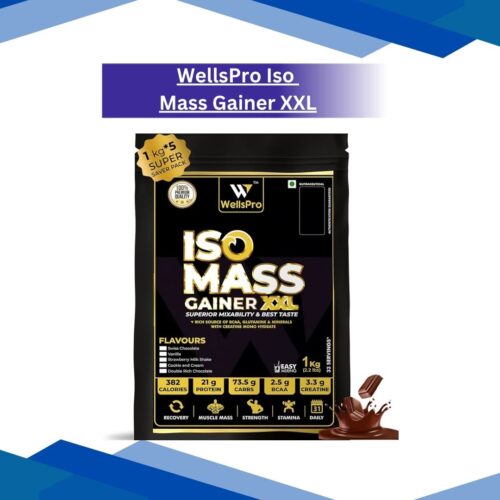
WellsPro Iso Mass Gainer XXL (1kg Each) Double Rich Chocolate
Glutamine: The Primary Fuel for Gut and Muscle Health
Glutamine, the most plentiful amino acid in the human body, is also naturally produced within the human body. Yet, conditions imposed on you, such as intense exercise, disease, or sheer stress, can diminish the levels of this amino acid faster than you could ever reinstate. Under those circumstances, glutamine turns into a “conditionally essential” amino acid since its deficiency necessitates constant replacement to ensure that the body functions at optimum health.
Having dual functions in maintaining the health of the digestive and musculoskeletal systems, the degradation, absorption, and transport of this nutrient in the healing process, the worth of glutamine in achieving health becomes fulfilling.
Main Benefits of Glutamine
Maintains Intestinal Integrity: The glutamine molecules serve as a principal energy source for the cells of the small intestine and therefore sustain a properly functioning gut barrier.
Fast Regeneration of Muscle Tissue: Consequently, it is also being utilized by athletes downstream from workouts to reduce muscle toxicity and accelerate tissue repair.
Bolstering the Immune System: White blood cells rely heavily on glutamine to work properly, especially when your physical body undergoes stress.
Nitrogen Transfer: Crucial to nitrogen transfer all over the body to help in metabolic reactions.
Usage and Doses
To provide for general health, glutamine as a substance comes mainly in a standard powder or capsule. The typical usual dose could be any place between 5g and 10g daily; athletes may stabilize it using the said substance. Preferably, it would be taken on an empty stomach or between meals for better absorption. Always consult with qualified healthcare personnel so that a fine dose can be estimated for your given individual health.
Some Frequently Asked Questions (FAQs)
1. What is Glutamine?
Glutamine is an alpha-amino acid used in the biosynthesis of proteins. It is naturally found in protein-containing foods such as beef, chicken, fish, dairy products, and many plants.
2. Is Glutamine safe when taken on a daily basis?
For most healthy adults, short or moderate-term administration is considered safe. However, this kind of supplementation should not be taken by individuals suffering from kidney disease, liver disease, or Reye’s syndrome.
3. When is the best time to take a Glutamine supplement?
Many users feel it is most effective when taken just post-workout to aid the recovery process and promote better results, and some use it before bed. Cooling it down by adding it to a glass of cold or room temperature water can also be helpful because the amino acid may degrade under extreme temperature.
4. Can I take Glutamine if I have a very sensitive stomach?
In fact, many people take Glutamine to provide support for the gut. However, starting off with the smallest amount possible and increasing it gradually can help your body to get used to it.
5. Any side effects?
Side effects include rarer instances of bloating, nausea, and dizziness when taken at high doses. If such problems occur for longer than a couple of hours, stop taking it and consult your physician.
6. How should I store this product?
If your Glutamine is to really work as you need it to, keep it in a cool, dry place far away from the sun. Make sure you keep the lid firmly sealed to keep moisture out.