



Showing all 5 resultsSorted by popularity
Filter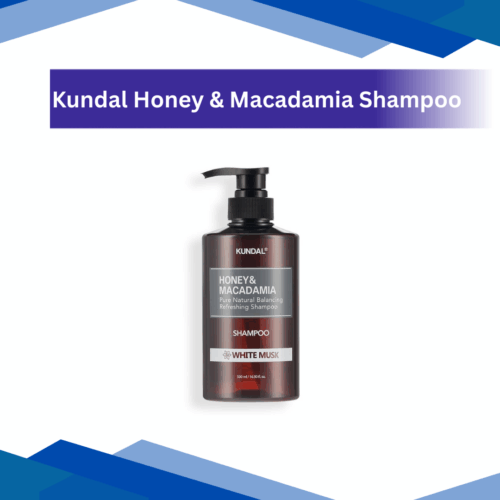
Kundal Honey & Macadamia Shampoo White Musk 500 ml
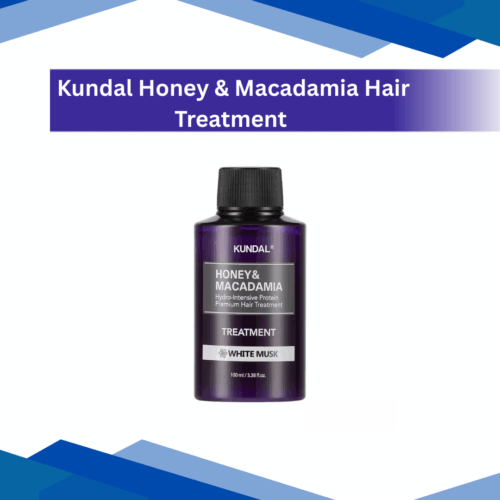
Kundal Honey & Macadamia Hair Treatment White Musk 100 ml

Kundal Honey & Macadamia Hair Treatment Pink Grapefruit 500 ml

Kundal Honey & Macadamia Shampoo Amber Vanilla 500 ml
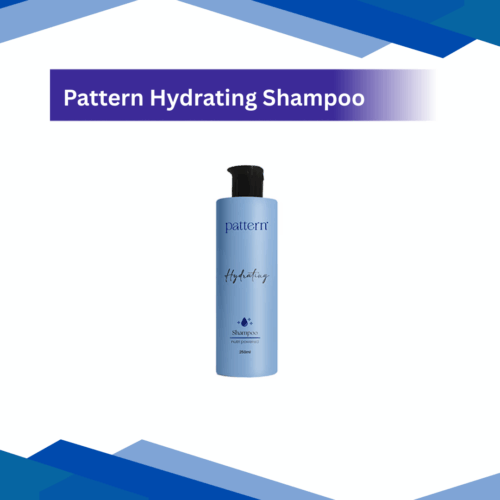
Pattern Hydrating Shampoo 250 ml
Honey (Medicinal Grade)
Honey is a thick, naturally sweet substance produced by bees from nectar, possessing significant medicinal value. It is rich in health-promoting nutrients.
Due to its strong antibacterial, anti-inflammatory, and antioxidant properties, it is widely recognized in pharmaceutical sciences. While commonly used as a natural sugar substitute, it is increasingly applied in wound care and as a natural cough suppressant. For such medicinal purposes, Manuka honey is often marketed as pharmaceutical-grade honey.
Therapeutic Uses
Effective Cough Suppressant: Acts as a demulcent, coating the irritated throat and helping to suppress nighttime cough in adults and children above 1 year of age.
Wounds & Burns: Medical-grade honey creates a moist healing environment and provides protection against infection.
Digestive Support: Contains prebiotics that help maintain healthy gut flora and reduce mild gastrointestinal inflammation.
Immune Support: Rich in phenolic and flavonoid compounds, helping to neutralize free radicals and support the body’s natural defense system.
How to Use
Cough & Cold: Mix 1–2 teaspoons of honey in warm water or herbal tea. For enhanced effect, add ginger juice or lemon juice.
Digestive Health: Take one teaspoon on an empty stomach in the morning.
Topical Application: Apply medical-grade honey dressings on minor cuts or burns. Do not use regular table honey on open wounds, as it may contain impurities.
Safety & Precautions
Caution: Never give honey to children under 1 year of age due to the risk of infant botulism, caused by Clostridium botulinum spores.
Diabetes Management: Since honey contains fructose and glucose, it may affect blood sugar levels. Individuals with diabetes should consult a physician before regular use.
Heating: Avoid heating honey or mixing it with boiling liquids, as high temperatures can destroy beneficial enzymes.
Allergy Notes: Individuals allergic to bees or pollen should use honey with caution.
Questions and Answers
Q: Is honey an alternative to over-the-counter cough syrups?
A: Studies suggest that for children above 1 year, honey may help reduce nighttime cough, with effectiveness comparable to dextromethorphan, and without causing drowsiness.
Q: Can any honey be applied on wounds?
A: No. Regular honey is not sterile and may contain bacteria or pollen. Only medical-grade honey such as Medihoney should be used for wound care.
Q: Does honey expire?
A: Pure honey has an extremely long shelf life due to its low moisture content and acidic pH. It may crystallize over time, which can be reversed by gentle warming.
Q: Why is Manuka honey more expensive than regular honey?
A: Manuka honey contains higher levels of bioactive compounds, giving it stronger antibacterial properties, which contributes to its higher cost.
Honey is sometimes considered helpful in hay fever-like symptoms. Some believe that local honey may help the body adapt to local pollen exposure, though this is largely anecdotal. Current evidence suggests honey may play a supportive role, rather than being a primary treatment for allergies.
