Showing all 6 resultsSorted by popularity
Filter
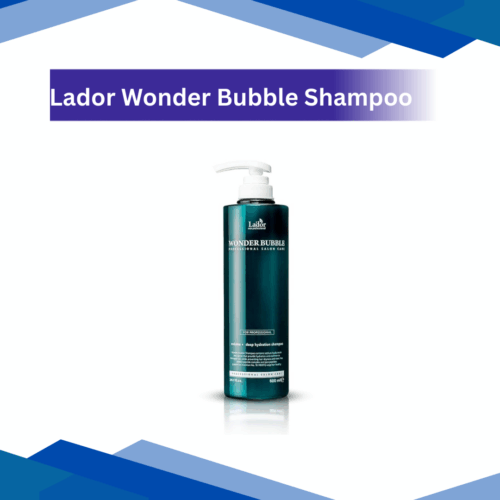
Lador Wonder Bubble Shampoo 600 ml
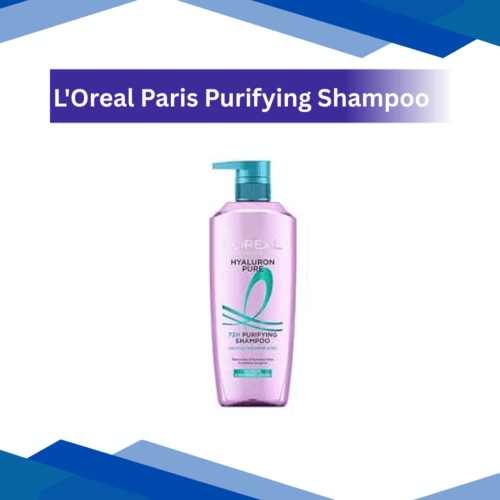
L’Oreal Paris Purifying Shampoo 72H Purifying Shampoo 800 ml
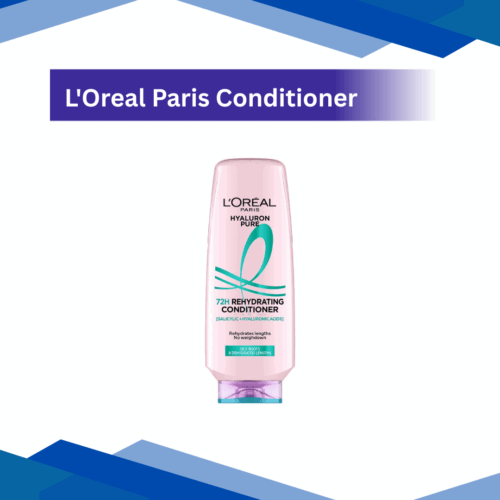
L’Oréal Paris 72H Rehydrating Conditioner 175 ml
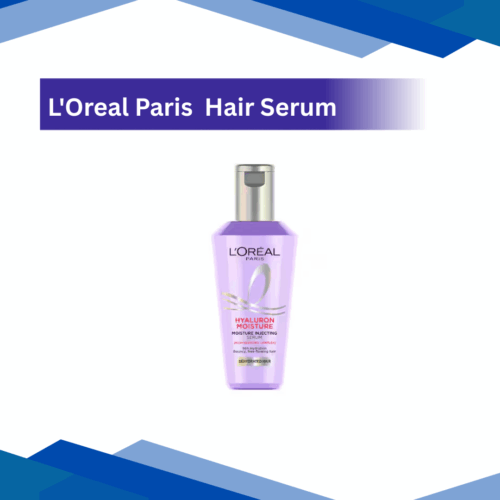
L’Oreal Paris Hair Serum Hyaluron Moisture
Hyaluronic Acid: The Gold Standard in Hydration of Molecular Weight and Tissue Reconstruction Hylauronic Acid (HA) is a high-molecular-weight glycosaminoglycan found naturally throughout the human body in connective, epithelial, and neural tissues. Among its many functions, it is an important component of the extracellular matrix (ECM), where it acts as the principal structural scaffold. Its outstanding absorption capacity has made this chemical a marvel; it is capable of holding more than 1,000 times its weight in water. It is, therefore, truly a hero when it comes to maintaining dermal volume, joint lubrication (synovial fluid), and ocular surface health.
Therapeutic Benefits and Clinical Profile
Multilevel Hydration: It is a very powerful humectant that can secure moisture from the environment in the stratum corneum, making the skin look fuller, thus much lessening the appearance of fine lines (rhytides).
Viscoelastic Joint Support: In orthopedic joint applications (viscosupplementation), HA helps in fluid between joints and as shock absorber, relieving pain for osteoarthritic patients and saving the joint cartilage from deteriorating.
Wound Healing Acceleration: By decreasing the inflammation levels and signaling the body to build more blood vessels in the injured area, it accelerates the dermal repairing process.
Post-Surgical Recovery Period: It is used for soothing in the dermis after laser irradiation or during dermal peeling and to prevent Transepidermal Water Loss (TEWL).
A Pharmacy Insight: Approach the Issue Concerning Molecular Weight
It doesn’t all fall into the same category of Hyaluronic Acid. The main consideration is the size of the molecule:
Molecular Weight | Scientific Name | Depth of Action | Main Benefit
High (HMW) | Hyaluronic Acid | Surface Layer | Allows formation of a breathable film; immediate hydration
Medium (MMW) | Sodium Hyaluronate | Mid Epidermis | Strengthens the natural barrier of the skin
Low (LMW) | Hydrolyzed HA | Deep Dermis | Long-term repair; has a role in triggering collagen synthesis
Dose and Usage
Topical Application: Always apply HA serums on damp skin to maximize the latter’s effects. As a humectant, it needs to “pull” moisture into the skin, and if applied on extremely dry skin in a dry climate, it can actually dry it out.
Layering: Use an occlusive moisturizer containing ceramides or oils to hold the hydration into the skin.
Oral Supplementation: Doses typically range between 120–200 mg/day for promoting joint health and systemic skin moisture.
FAQs
1. Will Hyaluronic Acid exfoliate my skin since it contains an “acid”? No—it is a polysaccharide—a type of sugar—so it is not an exfoliating acid like Glycolic or Salicylic acids. It hydrates rather than peels the skin and is suitable for all skin types, including sensitive or rosacea-prone skin.
2. Can it be combined with Vitamin C and Retinol? Yes. It works well alongside “active” ingredients. Retinol can cause dryness and peeling, and hyaluronic acid helps maintain hydration without reducing its effectiveness.
3. Why do many serums show “Sodium Hyaluronate” and not Hyaluronic Acid on the labels? Sodium Hyaluronate is a salt form of hyaluronic acid with a smaller molecular size, allowing deeper penetration. Many formulations combine both for multi-layer hydration.
4. Will I get greasy with my oily skin? Not at all. HA is oil-free and typically formulated as a light water-based gel. It hydrates without adding oil, making it ideal for oily or acne-prone skin.
5. Will HA serum work as a replacement for injectable fillers? Topical HA cannot provide structural “lift” like injectable fillers. However, consistent use improves skin texture and hydration, potentially extending intervals between clinical treatments.
Quality/Standard Control
Purity: Our formulations do not contain parabens or synthetic fragrances, making them suitable for compromised skin barriers.
Storage: Store the bottle in a cool, dry place. Avoid hot and humid environments like bathrooms, as temperature fluctuations may affect molecular stability.
Note: This content is intended for informational purposes only. For severe dermatologic conditions or joint injections, consult a licensed medical professional.