



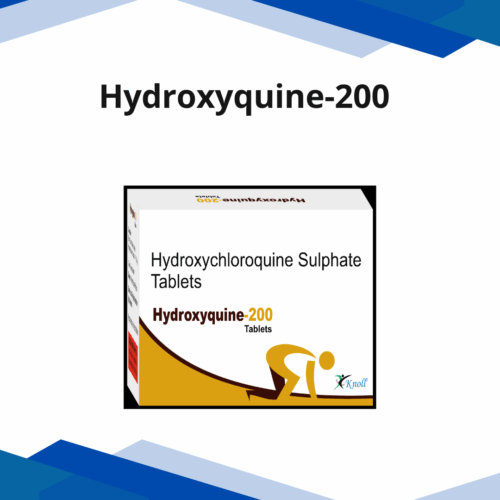
Hydroxychloroquine 200mg/400mg Tablet
Hydroxychloroquine is a medication belonging to the class of Disease-Modifying Anti-Rheumatic Drugs (DMARDs) and antimalarials. Initially developed for malaria treatment, it is now widely prescribed for managing chronic autoimmune diseases such as Rheumatoid Arthritis and Systemic Lupus Erythematosus (SLE).
By modulating the immune response, it helps reduce inflammation, pain, and long-term joint damage.
Use
Rheumatoid Arthritis: Helps reduce joint pain, swelling, and morning stiffness.
Systemic Lupus Erythematosus (SLE): Improves skin rashes, joint symptoms, and organ involvement.
Malaria: Used for treatment and prevention in areas with chloroquine-sensitive parasites.
Chronic Discoid Lupus: Helps manage localized skin flare-ups.
Key Features
Immune Modulation: Acts on the underlying disease process, unlike simple pain relievers.
Long-Term Therapy: Commonly used as a maintenance medication to prevent disease flares.
Gluten-Free & Vegan-Friendly: (Check manufacturer details for excipients.)
Dosage: Typically ranges between 200 mg to 400 mg daily, depending on body weight and disease severity.
Administration: Take with food or milk to reduce stomach irritation.
Consistency: Must be taken regularly at the same time each day. Do not skip doses, even if symptoms improve.
Timeline: Noticeable improvement may take 4 to 12 weeks of continuous use.
Important Safety Points
Eye Care: Long-term use requires regular eye examinations (usually annually) to monitor for rare retinal changes.
Heart Health: Inform your doctor if you have a history of heart rhythm disorders (QT prolongation) or related conditions.
Blood Sugar Levels: May lower blood glucose levels—important for patients with diabetes to monitor closely.
Alcohol: Should be limited, as it may increase liver strain.
Possible Side Effects
Most patients tolerate the drug well, but some may experience:
Mild to severe abdominal discomfort or nausea
Loss of appetite
Dizziness or headaches
Skin itching or rash
Seek immediate medical attention if you experience:
Blurred vision
Ringing in the ears (tinnitus)
Muscle weakness or unusual symptoms
Relevant Questions of Frequently Asked Questions
Q-1: Is Hydroxychloroquine a steroid?
A: No. It is a DMARD. Unlike steroids, which act quickly, hydroxychloroquine works gradually to control the immune system over time.
Q-2: Can Hydroxychloroquine be used during pregnancy?
A: It depends on individual cases. Autoimmune conditions often require control during pregnancy, so your rheumatologist and obstetrician will assess the benefits vs risks.
Q: Can Hydroxychloroquine weaken the immune system?
A: Not exactly. It modulates rather than suppresses the immune system, helping prevent the body from attacking its own tissues without significantly increasing infection risk.
Q: What happens if I miss a dose?
A: Take it as soon as you remember. If it’s close to the next dose, skip the missed dose. Do not double the dose.
Q: Can I stop the medicine if my joint pain goes away?
A: No. These are chronic conditions, and stopping suddenly can cause a disease flare. Always consult your doctor before adjusting or stopping treatment.
