




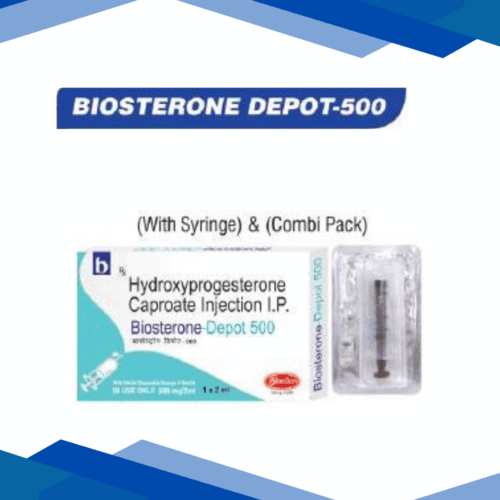
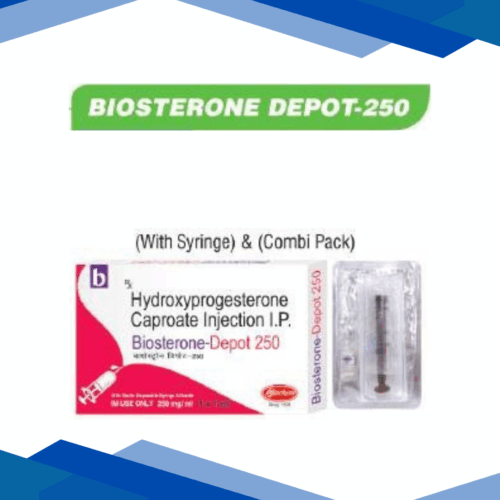
Hydroxyprogesterone Caproate Injection
Hydroxyprogesterone Caproate is an analogue of the female hormone progesterone. It is primarily used to reduce the risk of preterm birth in pregnant women with a history of spontaneous preterm delivery.
It works by mimicking natural progesterone, helping to stabilize the uterine lining and prevent premature contractions.
Primary Therapeutic Efficacies
Prevention of Preterm Labor: Indicated for women with a history of singleton spontaneous preterm birth.
Hormone Support: Helps stabilize the uterus during the second and third trimesters.
Long Acting: The oil-based “caproate” ester allows for a prolonged effect lasting several days after administration.
Dosage Forms and Administration
Route of Administration: Given as an intramuscular (IM) injection, typically in the upper outer quadrant of the gluteus maximus.
Schedule: Usually started between the 16th and 20th weeks of pregnancy, administered once weekly, and continued until 37 weeks or delivery.
Professional Care: Must be administered by a qualified healthcare provider to ensure safe and proper injection technique.
Important Safety & Precautions
Patient Selection: Intended for women with a previous preterm birth. It is not recommended for multiple pregnancies (twins or triplets) without prior indication.
Blood Clots: Seek immediate medical attention if you experience leg swelling, chest pain, or difficulty breathing.
Diabetes/Blood Sugar: As a hormonal therapy, it may affect glucose tolerance. Patients with gestational diabetes should monitor blood sugar closely.
Liver Health: Use with caution in patients with liver disease or impairment.
Potential Side Effects
Most patients tolerate the medication well, but possible side effects include:
Pain, swelling, or a small lump at the injection site
Nausea or mild bloating
Skin changes or spots (rare)
Consult your doctor if symptoms persist or worsen.
Frequently Asked Questions (FAQs)
Q: Does Hydroxyprogesterone Caproate work in twin pregnancies?
A: No. Current clinical guidelines do not recommend its use in multi-fetal pregnancies (twins or more) for preterm birth prevention without prior history.
Q: What if I miss a scheduled weekly injection?
A: Do not delay. Contact your healthcare provider to reschedule as soon as possible, as consistent hormone levels are important.
Q: Are the injections painful?
A: Some soreness or discomfort may occur due to the oil-based formulation. Rotating injection sites can help reduce discomfort.
Q: Is it the same as progesterone gel?
A: No. While both involve progesterone, injections and gels are used for different clinical purposes and delivery methods.
Q: Can treatment continue until delivery?
A: Typically, treatment is stopped at 37 weeks or earlier if labor begins or membranes rupture, as the pregnancy is considered full-term.