


Showing the single result
Filter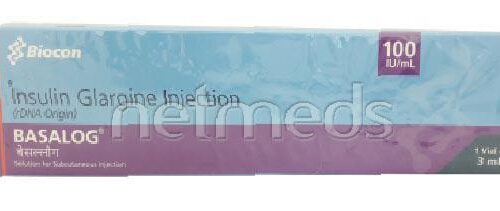
Basalog 100IU Injection 1X3ml
Indomethacin is considered an NSAID (Non-Steroidal Anti-Inflammatory Drug) of high potency. It is generally used in managing moderate to severe pain, swelling, and joint stiffness. It is usually prescribed when over-the-counter painkillers do not work. It helps to bring back mobility and ease in the patient’s debilitating bone and joint condition by inhibiting the production of naturally-occurring substances (prostaglandins) responsible for causing inflammation.
Therapeutic Uses
- Osteoarthritis & Rheumatoid Arthritis: Reduces joint pain and improves physical function.
- Ankylosing Spondylitis: Specifically targets inflammation in the spine.
- Acute Gouty Arthritis: Acutely relieves intense pain and redness in a gout flare-up.
- Acute Shoulder Pain: Helps to alleviate bursitis and severe tendonitis.
How Indomethacin Works
Indomethacin inhibits COX-1 and COX-2 enzymes, which are believed to be responsible for the initiation and propagation of pain signals and inflammation in the body, respectively. Due to the high potency and non-selectivity of Indomethacin, it is very effective at reducing swelling but it needs to be administered carefully so that the stomach lining is not harmed.
Directions for Use and Dosage
- Route of Administration: Always use this drug with meals, milk, or an antacid, to decrease stomach irritation
- Hydration: Drink an entire glass of water with each dosage (approximately 240 mL)
- Regular use: Always maintain the dosing schedule as set by your doctor. As for the condition of arthritis, sometimes 2–4 weeks of continuous administration will be necessary to demonstrate therapeutic results.
- Dosage: Abide by what the doctor has told you, please. Never extend the dose’s dose or frequency.
Common Side Effects
While Indomethacin can be very effective, the user can thus experience some unwanted effects; most of these effects may be controlled but need to be reported to the physician and observed with time:
- Dizziness
- The side effect causing a vertigo sensation is empowering
- Frontal headache; this is common with the NSAID Indomethacin
- Upset stomach, nausea, heartburn
- Tinnitus — ringing in the ears
Seek Immediate Help if: You find black/tarry stools, severe abdominal pain, or an abrupt change in amount of urine produced.
Precautions & Critical Warnings
- Cardiovascular Risk: Just as all NSAIDs do, Indomethacin may increase the chance of heart attack and stroke while taken long-term, particularly in patients with pre-existing cardiovascular disease.
- Gastrointestinal Health: Be cautious if you have had bleeding and ulcers in your stomach’s past.
- Alcohol: Do not take alcohol during drug duration—it significantly raises the risk of bleeding in the stomach.
- Kidney Function: Renal blood flow can be influenced by this medicine. Do you have any history of kidney disease? Keep reading and keep your doctor informed.
Commonly asked questions (FAQs):
Q: Is Indomethacin stronger than Ibuprofen?
Yes, Indomethacin is actually assumed to have a much high level of effectiveness than Ibuprofen. But both medicines belong to the same class, Indomethacin is clinically used for more severe inflammatory diseases including acute gout where OTC options have not worked.
Q: What is your opinion on the headache we get from using Indometacin?
Headache from Indomethacin, or “indomethacin headache,” is a well-known clinical side effect that affects about 10% to 25% of its users. It occurs mostly in the front of the head. If the headache becomes severe or persistent, your doctor might suggest reducing the dose or shifting to another medication.
Q: Can I take Indomethacin for a common cold or fever?
Usually no. It is not the first line of treatment for minor pains or fevers because of its strength and side-effect profile. Simpler medications like Paracetamol or Ibuprofen are typically used for non-inflammatory issues.
Q: How long will it take to get relief from a gout attack?
Most patients with acute gout get a pronounced response to pain and swelling within 24 to 48 hours after commencement of the medication.
Q: Can I lie down right after taking this medicine?
No, you are better off standing or sitting upright for at least 15–30 minutes following Indomethacin intake to prevent esophageal irritation.
Storage
Store the tablets in their blister pack or container and keep them at room temperature away from excessive moisture and heat.
General Disclaimer: This information is provided for educational purposes and should not be taken as a substitute for expert medical advice. Always consult your primary care provider before commencing treatment. Read the information leaflet provided with your medicine.