
Showing all 19 resultsSorted by popularity
Filter

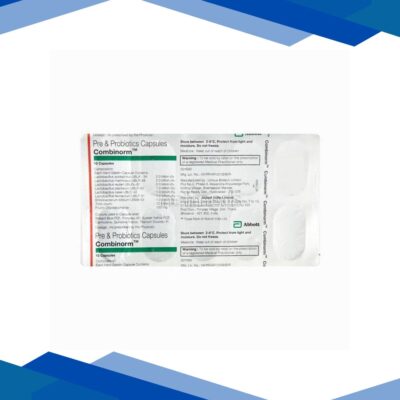



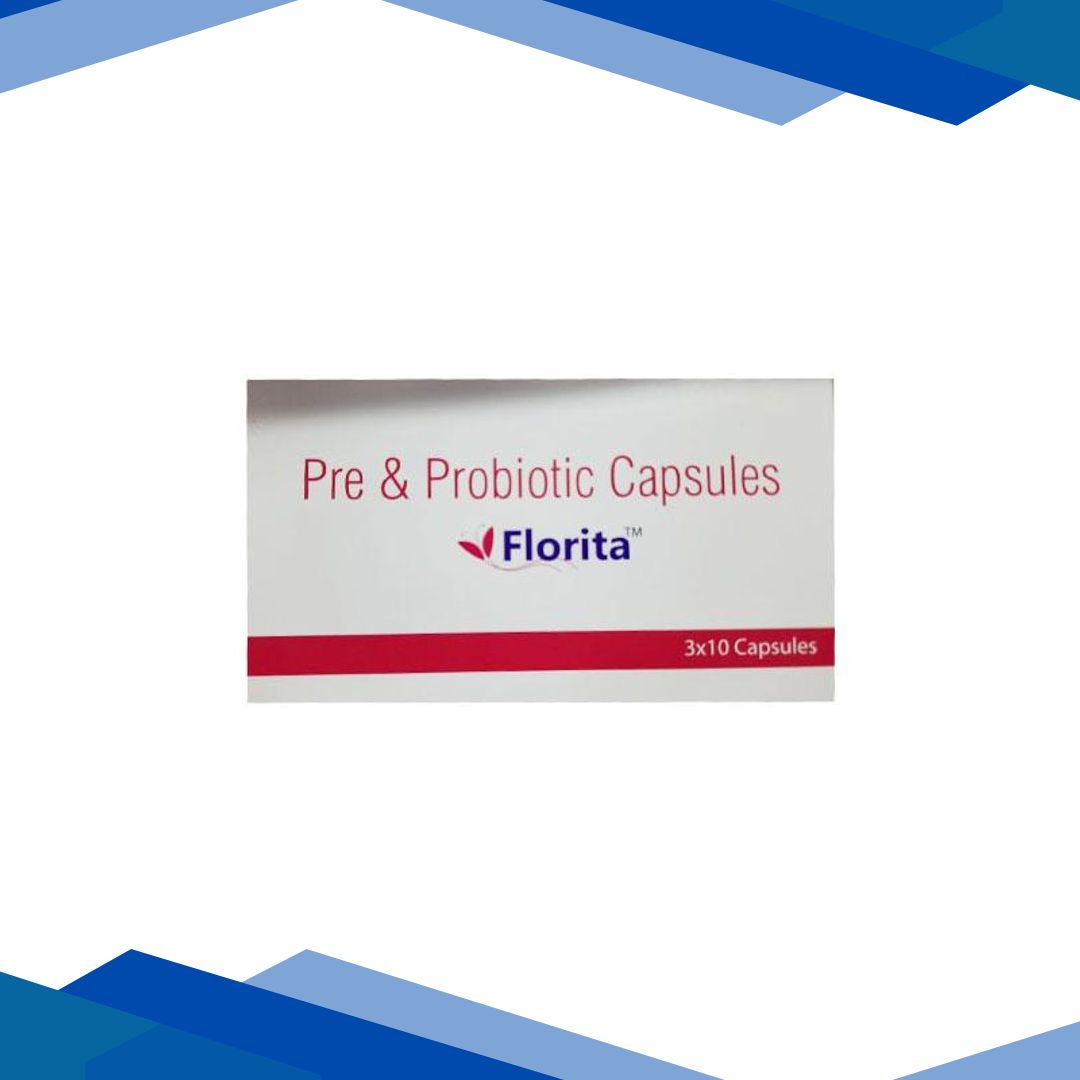

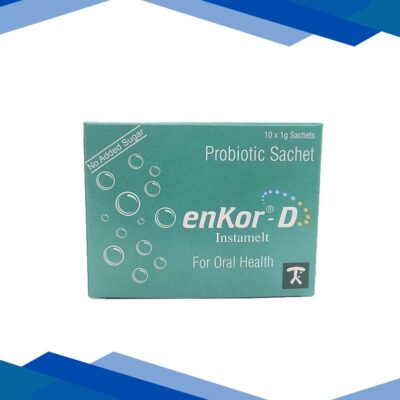
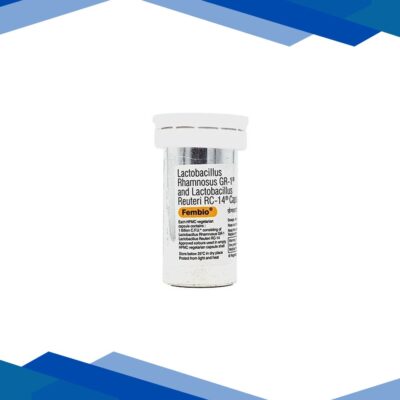

NORMOFLORA BV Capsule 10’s


PROTECTIS HEALTH SUPPLEMENT FOR GUT COMFORT Suspension 5ml

PROTECTIS NUTRACEUTICAL FOR CHILDREN Drops 5ml



Lactobacillus Reuteri: Overview, Uses, and Side Effects
Lactobacillus reuteri (recently reclassified scientifically as Limosilactobacillus reuteri) is one of the most thoroughly researched, naturally occurring species of probiotic bacteria. It natively colonizes the gastrointestinal tract, oral cavity, and vaginal microbiome of humans and mammals.
Inside the digestive system, L. reuteri acts as a protective biological shield. It stands out among probiotics for its unique ability to produce a potent antimicrobial compound called reuterin. Reuterin selectively inhibits the growth of harmful pathogens (like E. coli, Salmonella, and Helicobacter pylori) while leaving beneficial gut flora unharmed. By strengthening the epithelial barrier of the intestines and modulating immune cell responses, L. reuteri plays an essential role in keeping your digestive and immune systems in optimal equilibrium.
Key Benefits & Uses
Gastroenterologists, pediatricians, and immunologists frequently recommend L. reuteri to manage several distinct conditions:
-
Alleviating Infant Colic: Extensively proven in clinical pediatric trials to significantly reduce crying time, fussiness, and intestinal gas in breastfed and formula-fed infants by soothing gut inflammation.
-
Managing Diarrhea and Gut Infections: Shortening the duration of acute viral gastroenteritis (such as rotavirus infections) and restoring gut flora balance after a course of disruptive antibiotics.
-
Suppressing H. pylori Infections: Working as an effective adjunctive therapy alongside standard antibiotics to reduce bacterial loads and minimize the digestive side effects of ulcer treatments.
-
Supporting Oral and Dental Health: Inhibiting the cavity-causing bacteria Streptococcus mutans in the mouth, which helps reduce plaque formation, gingivitis, and chronic bad breath (halitosis).
-
Immune System Modulation: Stimulating the production of regulatory T-cells to help balance the body’s inflammatory response, which can reduce the severity of certain allergic conditions like eczema.
How to Take Lactobacillus reuteri Correctly
-
Choose the Right Delivery Form: L. reuteri is widely available over the counter in several formulations optimized for age and use: liquid drops (ideal for infants), chewable tablets (excellent for oral health), standard capsules, and fortified powders.
-
Timing with Food: For maximum structural survival, take your probiotic with a meal or just before eating. Food acts as a natural buffer, temporarily reducing the harsh acidity of your stomach juices and helping a higher percentage of live bacteria reach your intestines safely.
-
The Antibiotic Separation Rule: If you are taking prescription antibiotics, they will aggressively kill off the beneficial L. reuteri if taken together. Separate your probiotic dose by at least 2 hours before or 2 hours after your antibiotic dose.
-
Check Storage Requirements: While many modern L. reuteri supplements are freeze-dried and shelf-stable, some formulations (especially liquid drops) require strict refrigeration after opening to maintain bacterial viability. Check the product packaging carefully.
Safety Advice & Vital Precautions
| Category | Guidance |
| Severe Immunosuppression | Important Warning. Individuals with severely compromised immune systems—such as those undergoing active chemotherapy, organ transplant recipients, or patients with advanced HIV—should avoid taking live probiotic supplements unless cleared by their immunologist, due to the rare risk of systemic bacterial infection. |
| Indwelling Catheters | Patients in intensive care units or those with central venous catheters should avoid live probiotics to prevent accidental contamination. |
| Infant Usage | L. reuteri is exceptionally safe for newborns and infants. However, always consult your pediatrician to get the exact dosage drops and ensure your baby’s symptoms are not linked to an underlying medical condition. |
Common Side Effects
Because L. reuteri is a natural inhabitant of the human body, it is exceptionally well-tolerated. However, as your gut microbiome undergoes a structural shift during the first few days of starting the supplement, you may notice mild, temporary adjustments:
-
Mild intestinal gas or flatulence
-
Abdominal bloating
-
A brief, minor change in bowel consistency (mild constipation or softer stools)
These initial symptoms are typically mild and vanish entirely within 3 to 5 days as your digestive system stabilizes and adapts to the healthy bacterial balance.
Frequently Asked Questions (FAQs)
Q: Can I get enough Lactobacillus reuteri from eating standard commercial yogurt?
Probably not in therapeutic quantities. While many commercial yogurts contain generic live cultures (like Lactobacillus bulgaricus or Streptococcus thermophilus) to ferment milk, they rarely contain specific, clinically studied strains of L. reuteri unless explicitly stated on the ingredient label. To target specific health issues like colic, eczema, or gut restoration, utilizing a dedicated supplement with a verified Colony Forming Unit (CFU) count is usually necessary.
Q: What does the “CFU” count mean on a probiotic label, and how much do I need?
CFU stands for Colony Forming Units, which tells you the total number of live, active bacteria contained in a single dose. For L. reuteri, clinical studies show excellent efficacy at relatively modest doses compared to other species. Daily dosages ranging from 100 million to 5 billion CFUs are standard and highly effective for infants and adults alike, depending on the specific health condition being targeted.
Q: What should I do if I miss a scheduled daily dose?
Probiotics are living nutritional supports rather than time-critical prescription medications. If you forget to take your supplement, simply take it with your next meal of the day. If you don’t remember until the next day, skip the missed dose entirely and continue with your regular daily routine. Do not take a double dose to catch up.
Q: Why does my oral health probiotic tell me to suck on the tablet instead of swallowing it?
If you are using L. reuteri specifically for dental health, gum care, or fresh breath, the chewable tablets or lozenges are meant to dissolve slowly in your mouth. This allowing the beneficial bacteria to actively colonize your saliva, stick to your teeth, and directly push out the harmful pathogens that cause plaque and gingivitis before the capsule gets washed down into your stomach acid.
Disclaimer: The microbiological, pediatric, and gastroenterological insights provided on this page are intended strictly for general educational purposes. They cannot replace a personalized, professional medical consultation, diagnosis, or treatment plan from a certified physician, gastroenterologist, or pediatrician. Always consult your doctor before beginning any new supplement or probiotic routine.
Lactobacillus Reuteri: Overview, Uses, and Side Effects
Lactobacillus reuteri (recently reclassified scientifically as Limosilactobacillus reuteri) is one of the most thoroughly researched, naturally occurring species of probiotic bacteria. It natively colonizes the gastrointestinal tract, oral cavity, and vaginal microbiome of humans and mammals.
Inside the digestive system, L. reuteri acts as a protective biological shield. It stands out among probiotics for its unique ability to produce a potent antimicrobial compound called reuterin. Reuterin selectively inhibits the growth of harmful pathogens (like E. coli, Salmonella, and Helicobacter pylori) while leaving beneficial gut flora unharmed. By strengthening the epithelial barrier of the intestines and modulating immune cell responses, L. reuteri plays an essential role in keeping your digestive and immune systems in optimal equilibrium.
Key Benefits & Uses
Gastroenterologists, pediatricians, and immunologists frequently recommend L. reuteri to manage several distinct conditions:
-
Alleviating Infant Colic: Extensively proven in clinical pediatric trials to significantly reduce crying time, fussiness, and intestinal gas in breastfed and formula-fed infants by soothing gut inflammation.
-
Managing Diarrhea and Gut Infections: Shortening the duration of acute viral gastroenteritis (such as rotavirus infections) and restoring gut flora balance after a course of disruptive antibiotics.
-
Suppressing H. pylori Infections: Working as an effective adjunctive therapy alongside standard antibiotics to reduce bacterial loads and minimize the digestive side effects of ulcer treatments.
-
Supporting Oral and Dental Health: Inhibiting the cavity-causing bacteria Streptococcus mutans in the mouth, which helps reduce plaque formation, gingivitis, and chronic bad breath (halitosis).
-
Immune System Modulation: Stimulating the production of regulatory T-cells to help balance the body’s inflammatory response, which can reduce the severity of certain allergic conditions like eczema.
How to Take Lactobacillus reuteri Correctly
-
Choose the Right Delivery Form: L. reuteri is widely available over the counter in several formulations optimized for age and use: liquid drops (ideal for infants), chewable tablets (excellent for oral health), standard capsules, and fortified powders.
-
Timing with Food: For maximum structural survival, take your probiotic with a meal or just before eating. Food acts as a natural buffer, temporarily reducing the harsh acidity of your stomach juices and helping a higher percentage of live bacteria reach your intestines safely.
-
The Antibiotic Separation Rule: If you are taking prescription antibiotics, they will aggressively kill off the beneficial L. reuteri if taken together. Separate your probiotic dose by at least 2 hours before or 2 hours after your antibiotic dose.
-
Check Storage Requirements: While many modern L. reuteri supplements are freeze-dried and shelf-stable, some formulations (especially liquid drops) require strict refrigeration after opening to maintain bacterial viability. Check the product packaging carefully.
Safety Advice & Vital Precautions
| Category | Guidance |
| Severe Immunosuppression | Important Warning. Individuals with severely compromised immune systems—such as those undergoing active chemotherapy, organ transplant recipients, or patients with advanced HIV—should avoid taking live probiotic supplements unless cleared by their immunologist, due to the rare risk of systemic bacterial infection. |
| Indwelling Catheters | Patients in intensive care units or those with central venous catheters should avoid live probiotics to prevent accidental contamination. |
| Infant Usage | L. reuteri is exceptionally safe for newborns and infants. However, always consult your pediatrician to get the exact dosage drops and ensure your baby’s symptoms are not linked to an underlying medical condition. |
Common Side Effects
Because L. reuteri is a natural inhabitant of the human body, it is exceptionally well-tolerated. However, as your gut microbiome undergoes a structural shift during the first few days of starting the supplement, you may notice mild, temporary adjustments:
-
Mild intestinal gas or flatulence
-
Abdominal bloating
-
A brief, minor change in bowel consistency (mild constipation or softer stools)
These initial symptoms are typically mild and vanish entirely within 3 to 5 days as your digestive system stabilizes and adapts to the healthy bacterial balance.
Frequently Asked Questions (FAQs)
Q: Can I get enough Lactobacillus reuteri from eating standard commercial yogurt?
Probably not in therapeutic quantities. While many commercial yogurts contain generic live cultures (like Lactobacillus bulgaricus or Streptococcus thermophilus) to ferment milk, they rarely contain specific, clinically studied strains of L. reuteri unless explicitly stated on the ingredient label. To target specific health issues like colic, eczema, or gut restoration, utilizing a dedicated supplement with a verified Colony Forming Unit (CFU) count is usually necessary.
Q: What does the “CFU” count mean on a probiotic label, and how much do I need?
CFU stands for Colony Forming Units, which tells you the total number of live, active bacteria contained in a single dose. For L. reuteri, clinical studies show excellent efficacy at relatively modest doses compared to other species. Daily dosages ranging from 100 million to 5 billion CFUs are standard and highly effective for infants and adults alike, depending on the specific health condition being targeted.
Q: What should I do if I miss a scheduled daily dose?
Probiotics are living nutritional supports rather than time-critical prescription medications. If you forget to take your supplement, simply take it with your next meal of the day. If you don’t remember until the next day, skip the missed dose entirely and continue with your regular daily routine. Do not take a double dose to catch up.
Q: Why does my oral health probiotic tell me to suck on the tablet instead of swallowing it?
If you are using L. reuteri specifically for dental health, gum care, or fresh breath, the chewable tablets or lozenges are meant to dissolve slowly in your mouth. This allowing the beneficial bacteria to actively colonize your saliva, stick to your teeth, and directly push out the harmful pathogens that cause plaque and gingivitis before the capsule gets washed down into your stomach acid.
Disclaimer: The microbiological, pediatric, and gastroenterological insights provided on this page are intended strictly for general educational purposes. They cannot replace a personalized, professional medical consultation, diagnosis, or treatment plan from a certified physician, gastroenterologist, or pediatrician. Always consult your doctor before beginning any new supplement or probiotic routine.