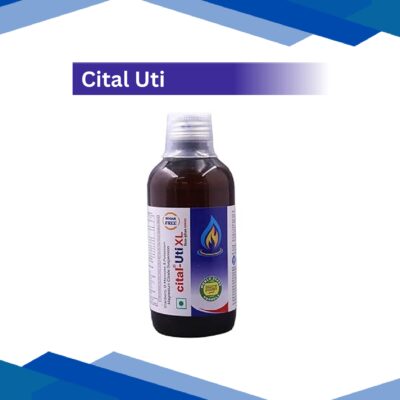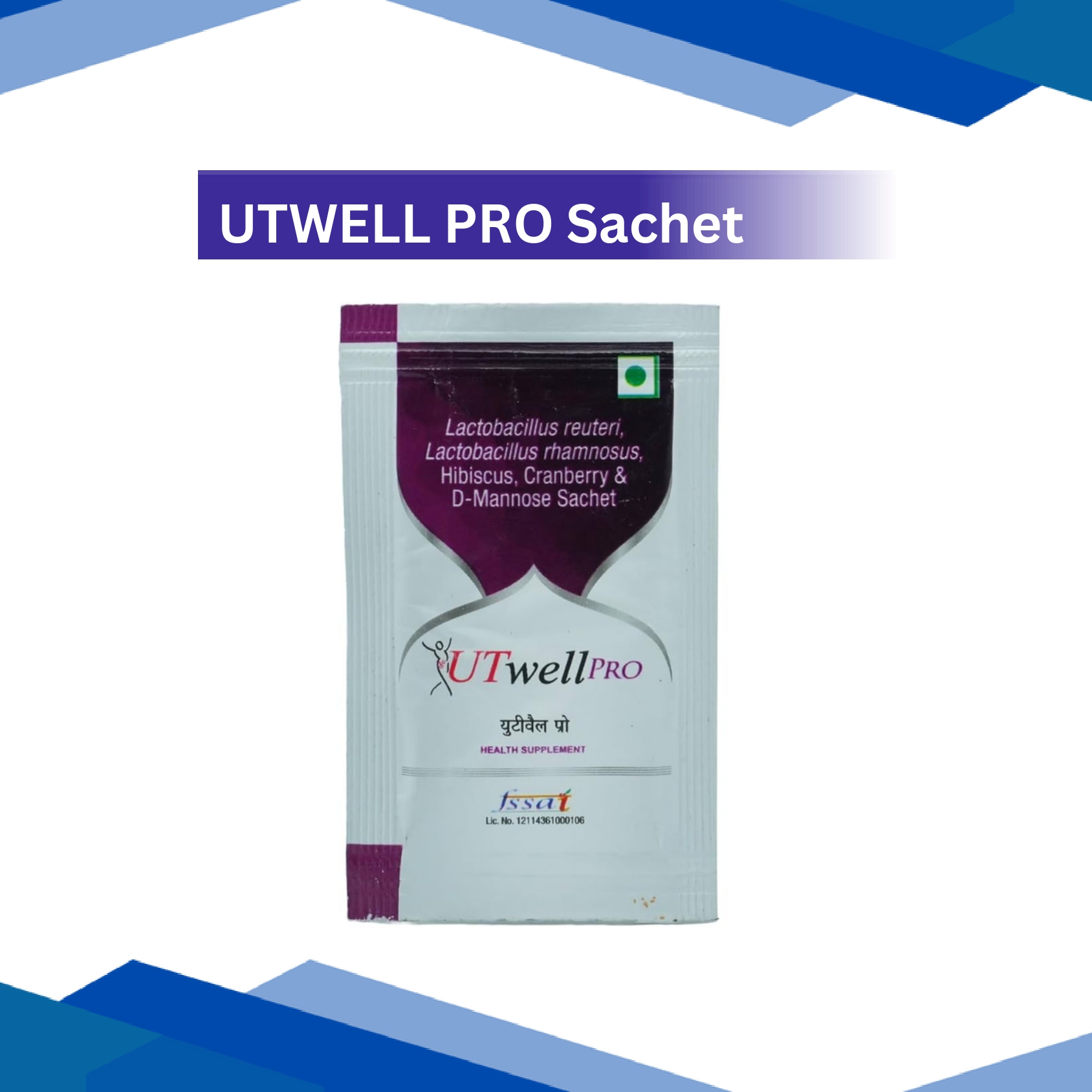
UTwell Pro Sachet
UTwell Pro Sachet is a non-antibiotic, herbal-based supplement designed to support urinary tract health. It combines natural ingredients known for their antibacterial and probiotic properties, aiding in the prevention and management of urinary tract infections (UTIs), particularly in women. For more details kindly click on Medicine Salts below:
cranberry extract
Cranberry Extract: Natural Support for Urinary Tract Health
Cranberry Extract is a concentrated form of the bioactive compounds found in Vaccinium macrocarpon (North American Cranberry). Although commonly savored as the fruit, its extract, being practically significant due to a high concentration of Proanthocyanidins (PACs), helps maintain a healthy bladder lining by the "A-type" tannins. By acting as a natural defense mechanism, Cranberry Extract is a go-to supplement for those looking to manage recurrent urinary discomfort without over-reliance on synthetic chemicals.
Primary Therapeutic Benefits
Bacterial Adherence Prevention: The unique A-type PACs inhibit harmful bacterial adhesion (like E. coli) to the walls of the urinary tract, thus allowing said bacteria to be flushed out naturally.
Antioxidant Power: Cranberry Extract is a great source of Vitamin C and polyphenolic compounds which neutralizes free radicals and thus supports overall immune function.
Bladder Deodorizer: To some extent, it helps to muffle strong odors that normally come with bladder issues or urinary incontinence.
Kidneys-Pampering: Cranberry Extract can assist in protecting the kidneys through its mild diuretic properties, maintaining natural diuretic actions and helping eliminate waste toxins.
Product in Brief
Detail
Active Label: Proanthocyanidins- Type-A PACs
Standard Dosage: 400 to 500mg (standardized extract)
Best For: Fighting constant UTIs, Strengthening the bladder
Dietary Status: Vegan (mostly)/Vegetarian
How to Get the Best Results
Drink plenty of water: Always take Your Cranberry Extract with a whole glass of water. Staying hydrated increases the "flushing" action that makes the extract effective.
Be Consistent: Unlike antibiotics, Cranberry Extract is best used for prophylaxis. It should be taken daily, especially when you are predisposed to seasonal or physical stress-merited urinary issues.
Check the Label: Make sure Your supplement is standardized for a high percentage of PACs; fruit juice powders, however, may not have the therapeutic power required.
Safety & Expert Precautions
Cranberry Extract is generally safe for the vast majority of adult individuals--yet please remember the following points:
Most Common Considerations:
Stomach Sensitivity: High dosages may cause mild stomach upset or diarrhea in some people.
Kidney Stones: Cranberries are a source of oxalates. If you have a past history of calcium oxalate kidney stones, consult your urologist before beginning long-term supplementation.
Potential Drug Interactions:
Warfarin (Blood Thinners): Cranberry may enhance the effect of Warfarin, thus increasing the risk of bruising or bleeding. Always seek medical clearance if you are on anticoagulants.
Frequently Asked Questions (FAQs)
1. Can Cranberry Extract help with an active UTI?
While it can cause prevention, the periodontal exudate stems are sometimes not strong enough to quell a biomass enfeebling. Should you experience burning when urinating, red urine, a fever, or back pain, you must consult a doctor for a prescription of antibiotics.
2. Does it work better than drinking cranberry juice?
Yes, in terms of efficiency. Most commercial cranberry juices are loaded with sugar, which can actually feed bacteria. Capsules provide the concentrated active ingredients (PACs) without the calories or acidity of juice.
3. How long until I see results?
It typically takes 1 to 2 weeks of daily usage to build up a protective barrier in the urinary tract for prevention purposes.
4. Can pregnant women take Cranberry Extract?
Cranberry is generally considered safe during pregnancy for urinary support. However, because pregnancy requires careful medical monitoring, always confirm with your OB-GYN before adding it to your routine.
5. Does it have any interaction with Vitamin C supplements?
Cranberry Extract naturally contains Vitamin C. Taking them together is usually safe and may actually help in maintaining an acidic environment in the bladder in order to make bacteria less susceptible to it.
D-mannose
About Capsicum Oleoresin: Targeted Pain Relief for Nerve and Muscle Pain
Capsicum oleoresin is a strong bioactive extract derived from Capsicum fruits, known to contain high amounts of capsaicin and, therefore, is widely used in formulations as a topically applied analgesic for immediate pain relief. Desensitization of pain receptors provides relief for patients suffering from chronic musculoskeletal pain and neuropathic pain.
Clinical Therapeutic Use
Arthritis: Effective in providing localized relief from joint pain and stiffness related to Osteoarthritis and Rheumatoid Arthritis.
Neuropathic Pain: Widely used for postherpetic neuralgia (pain after shingles) and diabetic neuropathy.
Muscle Recovery: Especially useful in “delayed-onset muscle soreness (DOMS)”, low backache, or muscle strains, as it helps increase blood flow to the affected area.
Thermal Analgesic Therapy: The oleoresin itself produces a mild therapeutic warmth that helps relax tight muscles and improve mobility.
How it Works (Mechanism of Action)
Capsicum Oleoresin works by depleting Substance P, a chemical mediator responsible for transmitting pain signals to the central nervous system.
Upon application, capsaicinoids initially stimulate pain fibers, producing a temporary warming sensation. With continued use, the release of Substance P becomes depleted, effectively “turning down the volume” of chronic pain signals from that specific area.
Safety Information and Instructions for Use
Patch Test: Always perform a patch test before applying Capsicum Oleoresin to a larger area. Because of its strong potency, there is a risk of skin sensitivity or excessive redness.
Hand Wash: Wash your hands thoroughly with soap immediately after application. Avoid touching the eyes, nose, or sensitive mucous membranes, as the extract is a strong irritant.
Avoid Heat Application: Do not apply heating pads or tight bandages over areas treated with Capsicum Oleoresin, as this may cause skin irritation or blistering.
External Application Only: This extract is meant only for external use. Do not apply to broken, irritated, or sunburned skin.
Questions and Answers
1. Why does my skin feel very hot when it is applied?
A heat or burning sensation is a normal pharmacological response to Capsicum Oleoresin. This occurs because it activates sensory nerve receptors in the skin. The sensation usually reduces after a few days of regular use as the body adjusts.
2. How often should Capsicum Oleoresin be applied?
Typically, it may be applied 3–4 times daily, depending on the severity and chronic nature of the pain. Consistency is important, as the pain-relief effects are cumulative and usually peak after 1–2 weeks of regular use.
3. Can I use this for immediate relief after a sudden injury?
Capsicum is generally better suited for chronic or sub-acute pain. If the pain results from a very recent acute injury, cold therapy is usually recommended first. Always consult a doctor before using warming agents on fresh inflammation.
4. Can it be used along with oral analgesics?
Yes. Topical Capsicum Oleoresin can be used together with oral analgesics, including NSAIDs or Paracetamol. Since it works locally on the skin, systemic absorption is minimal, and drug interactions are unlikely.
5. What should I do if the burning sensation becomes intolerable?
Do not wash the area with hot water, as this can increase the burning sensation. Instead, use cotton dipped in olive oil or vegetable oil to gently remove the cream, or wash the area with cool water and mild soap.
Hibiscus Extract
The dried calyces of Hibiscus sabdariffa produce Hibiscus Extract which serves as an effective botanical extract in contemporary nutraceutical products. The extract functions as a tea alternative because it provides standardized high levels of Anthocyanins and Polyphenols and Vitamin C. The medical community recognizes Hibiscus Extract for its capacity to sustain proper blood pressure levels while its mild diuretic effects support kidney function through non-stimulant diuretic actions. The therapeutic advantages of the system combined with its medical functions Blood Pressure Management: The natural ACE-inhibitor property of Hibiscus causes blood vessels to relax which results in better blood circulation. Cholesterol & Lipid Support: The product prevents LDL cholesterol oxidation which plays an essential role in protecting arterial health and minimizing plaque formation. Metabolic Regulation: The research indicates that Hibiscus blocks the human body from absorbing dietary starch and glucose which results in weight loss and constant energy levels. The product supports kidney health by helping the body remove excessive uric acid and sodium while maintaining proper electrolyte balance. The deep red pigments protect cells from oxidative damage through their ability to combat free radicals and their protection against "inflamm-aging." Product Comparison: Extract vs. Herbal Infusion Feature Hibiscus Standardized Extract Hibiscus Herbal Tea Active Compound Density High Standardized % of Anthocyanins Variable Low Primary Indication Hypertension Metabolic Support Hydration General Wellness Bioavailability Optimized for therapeutic absorption Moderate Convenience Precise daily dosing Requires brewing preparation Usage Administration Recommended Dosage Typically 250 mg to 500 mg per day or as directed by a healthcare professional The users should take the product with water after a meal to achieve optimal results The product's natural acidity causes mild gastric irritation in sensitive individuals who take it without food.
Lactobacillus reuteri
Lactobacillus Reuteri: Overview, Uses, and Side Effects
Lactobacillus reuteri (recently reclassified scientifically as Limosilactobacillus reuteri) is one of the most thoroughly researched, naturally occurring species of probiotic bacteria. It natively colonizes the gastrointestinal tract, oral cavity, and vaginal microbiome of humans and mammals.
Inside the digestive system, L. reuteri acts as a protective biological shield. It stands out among probiotics for its unique ability to produce a potent antimicrobial compound called reuterin. Reuterin selectively inhibits the growth of harmful pathogens (like E. coli, Salmonella, and Helicobacter pylori) while leaving beneficial gut flora unharmed. By strengthening the epithelial barrier of the intestines and modulating immune cell responses, L. reuteri plays an essential role in keeping your digestive and immune systems in optimal equilibrium.
Key Benefits & Uses
Gastroenterologists, pediatricians, and immunologists frequently recommend L. reuteri to manage several distinct conditions:
-
Alleviating Infant Colic: Extensively proven in clinical pediatric trials to significantly reduce crying time, fussiness, and intestinal gas in breastfed and formula-fed infants by soothing gut inflammation.
-
Managing Diarrhea and Gut Infections: Shortening the duration of acute viral gastroenteritis (such as rotavirus infections) and restoring gut flora balance after a course of disruptive antibiotics.
-
Suppressing H. pylori Infections: Working as an effective adjunctive therapy alongside standard antibiotics to reduce bacterial loads and minimize the digestive side effects of ulcer treatments.
-
Supporting Oral and Dental Health: Inhibiting the cavity-causing bacteria Streptococcus mutans in the mouth, which helps reduce plaque formation, gingivitis, and chronic bad breath (halitosis).
-
Immune System Modulation: Stimulating the production of regulatory T-cells to help balance the body's inflammatory response, which can reduce the severity of certain allergic conditions like eczema.
How to Take Lactobacillus reuteri Correctly
-
Choose the Right Delivery Form: L. reuteri is widely available over the counter in several formulations optimized for age and use: liquid drops (ideal for infants), chewable tablets (excellent for oral health), standard capsules, and fortified powders.
-
Timing with Food: For maximum structural survival, take your probiotic with a meal or just before eating. Food acts as a natural buffer, temporarily reducing the harsh acidity of your stomach juices and helping a higher percentage of live bacteria reach your intestines safely.
-
The Antibiotic Separation Rule: If you are taking prescription antibiotics, they will aggressively kill off the beneficial L. reuteri if taken together. Separate your probiotic dose by at least 2 hours before or 2 hours after your antibiotic dose.
-
Check Storage Requirements: While many modern L. reuteri supplements are freeze-dried and shelf-stable, some formulations (especially liquid drops) require strict refrigeration after opening to maintain bacterial viability. Check the product packaging carefully.
Safety Advice & Vital Precautions
| Category | Guidance |
| Severe Immunosuppression | Important Warning. Individuals with severely compromised immune systems—such as those undergoing active chemotherapy, organ transplant recipients, or patients with advanced HIV—should avoid taking live probiotic supplements unless cleared by their immunologist, due to the rare risk of systemic bacterial infection. |
| Indwelling Catheters | Patients in intensive care units or those with central venous catheters should avoid live probiotics to prevent accidental contamination. |
| Infant Usage | L. reuteri is exceptionally safe for newborns and infants. However, always consult your pediatrician to get the exact dosage drops and ensure your baby's symptoms are not linked to an underlying medical condition. |
Common Side Effects
Because L. reuteri is a natural inhabitant of the human body, it is exceptionally well-tolerated. However, as your gut microbiome undergoes a structural shift during the first few days of starting the supplement, you may notice mild, temporary adjustments:
-
Mild intestinal gas or flatulence
-
Abdominal bloating
-
A brief, minor change in bowel consistency (mild constipation or softer stools)
These initial symptoms are typically mild and vanish entirely within 3 to 5 days as your digestive system stabilizes and adapts to the healthy bacterial balance.
Frequently Asked Questions (FAQs)
Q: Can I get enough Lactobacillus reuteri from eating standard commercial yogurt?
Probably not in therapeutic quantities. While many commercial yogurts contain generic live cultures (like Lactobacillus bulgaricus or Streptococcus thermophilus) to ferment milk, they rarely contain specific, clinically studied strains of L. reuteri unless explicitly stated on the ingredient label. To target specific health issues like colic, eczema, or gut restoration, utilizing a dedicated supplement with a verified Colony Forming Unit (CFU) count is usually necessary.
Q: What does the "CFU" count mean on a probiotic label, and how much do I need?
CFU stands for Colony Forming Units, which tells you the total number of live, active bacteria contained in a single dose. For L. reuteri, clinical studies show excellent efficacy at relatively modest doses compared to other species. Daily dosages ranging from 100 million to 5 billion CFUs are standard and highly effective for infants and adults alike, depending on the specific health condition being targeted.
Q: What should I do if I miss a scheduled daily dose?
Probiotics are living nutritional supports rather than time-critical prescription medications. If you forget to take your supplement, simply take it with your next meal of the day. If you don't remember until the next day, skip the missed dose entirely and continue with your regular daily routine. Do not take a double dose to catch up.
Q: Why does my oral health probiotic tell me to suck on the tablet instead of swallowing it?
If you are using L. reuteri specifically for dental health, gum care, or fresh breath, the chewable tablets or lozenges are meant to dissolve slowly in your mouth. This allowing the beneficial bacteria to actively colonize your saliva, stick to your teeth, and directly push out the harmful pathogens that cause plaque and gingivitis before the capsule gets washed down into your stomach acid.
Disclaimer: The microbiological, pediatric, and gastroenterological insights provided on this page are intended strictly for general educational purposes. They cannot replace a personalized, professional medical consultation, diagnosis, or treatment plan from a certified physician, gastroenterologist, or pediatrician. Always consult your doctor before beginning any new supplement or probiotic routine.
Lactobacillus Reuteri: Overview, Uses, and Side Effects
Lactobacillus reuteri (recently reclassified scientifically as Limosilactobacillus reuteri) is one of the most thoroughly researched, naturally occurring species of probiotic bacteria. It natively colonizes the gastrointestinal tract, oral cavity, and vaginal microbiome of humans and mammals.
Inside the digestive system, L. reuteri acts as a protective biological shield. It stands out among probiotics for its unique ability to produce a potent antimicrobial compound called reuterin. Reuterin selectively inhibits the growth of harmful pathogens (like E. coli, Salmonella, and Helicobacter pylori) while leaving beneficial gut flora unharmed. By strengthening the epithelial barrier of the intestines and modulating immune cell responses, L. reuteri plays an essential role in keeping your digestive and immune systems in optimal equilibrium.
Key Benefits & Uses
Gastroenterologists, pediatricians, and immunologists frequently recommend L. reuteri to manage several distinct conditions:
-
Alleviating Infant Colic: Extensively proven in clinical pediatric trials to significantly reduce crying time, fussiness, and intestinal gas in breastfed and formula-fed infants by soothing gut inflammation.
-
Managing Diarrhea and Gut Infections: Shortening the duration of acute viral gastroenteritis (such as rotavirus infections) and restoring gut flora balance after a course of disruptive antibiotics.
-
Suppressing H. pylori Infections: Working as an effective adjunctive therapy alongside standard antibiotics to reduce bacterial loads and minimize the digestive side effects of ulcer treatments.
-
Supporting Oral and Dental Health: Inhibiting the cavity-causing bacteria Streptococcus mutans in the mouth, which helps reduce plaque formation, gingivitis, and chronic bad breath (halitosis).
-
Immune System Modulation: Stimulating the production of regulatory T-cells to help balance the body's inflammatory response, which can reduce the severity of certain allergic conditions like eczema.
How to Take Lactobacillus reuteri Correctly
-
Choose the Right Delivery Form: L. reuteri is widely available over the counter in several formulations optimized for age and use: liquid drops (ideal for infants), chewable tablets (excellent for oral health), standard capsules, and fortified powders.
-
Timing with Food: For maximum structural survival, take your probiotic with a meal or just before eating. Food acts as a natural buffer, temporarily reducing the harsh acidity of your stomach juices and helping a higher percentage of live bacteria reach your intestines safely.
-
The Antibiotic Separation Rule: If you are taking prescription antibiotics, they will aggressively kill off the beneficial L. reuteri if taken together. Separate your probiotic dose by at least 2 hours before or 2 hours after your antibiotic dose.
-
Check Storage Requirements: While many modern L. reuteri supplements are freeze-dried and shelf-stable, some formulations (especially liquid drops) require strict refrigeration after opening to maintain bacterial viability. Check the product packaging carefully.
Safety Advice & Vital Precautions
| Category | Guidance |
| Severe Immunosuppression | Important Warning. Individuals with severely compromised immune systems—such as those undergoing active chemotherapy, organ transplant recipients, or patients with advanced HIV—should avoid taking live probiotic supplements unless cleared by their immunologist, due to the rare risk of systemic bacterial infection. |
| Indwelling Catheters | Patients in intensive care units or those with central venous catheters should avoid live probiotics to prevent accidental contamination. |
| Infant Usage | L. reuteri is exceptionally safe for newborns and infants. However, always consult your pediatrician to get the exact dosage drops and ensure your baby's symptoms are not linked to an underlying medical condition. |
Common Side Effects
Because L. reuteri is a natural inhabitant of the human body, it is exceptionally well-tolerated. However, as your gut microbiome undergoes a structural shift during the first few days of starting the supplement, you may notice mild, temporary adjustments:
-
Mild intestinal gas or flatulence
-
Abdominal bloating
-
A brief, minor change in bowel consistency (mild constipation or softer stools)
These initial symptoms are typically mild and vanish entirely within 3 to 5 days as your digestive system stabilizes and adapts to the healthy bacterial balance.
Frequently Asked Questions (FAQs)
Q: Can I get enough Lactobacillus reuteri from eating standard commercial yogurt?
Probably not in therapeutic quantities. While many commercial yogurts contain generic live cultures (like Lactobacillus bulgaricus or Streptococcus thermophilus) to ferment milk, they rarely contain specific, clinically studied strains of L. reuteri unless explicitly stated on the ingredient label. To target specific health issues like colic, eczema, or gut restoration, utilizing a dedicated supplement with a verified Colony Forming Unit (CFU) count is usually necessary.
Q: What does the "CFU" count mean on a probiotic label, and how much do I need?
CFU stands for Colony Forming Units, which tells you the total number of live, active bacteria contained in a single dose. For L. reuteri, clinical studies show excellent efficacy at relatively modest doses compared to other species. Daily dosages ranging from 100 million to 5 billion CFUs are standard and highly effective for infants and adults alike, depending on the specific health condition being targeted.
Q: What should I do if I miss a scheduled daily dose?
Probiotics are living nutritional supports rather than time-critical prescription medications. If you forget to take your supplement, simply take it with your next meal of the day. If you don't remember until the next day, skip the missed dose entirely and continue with your regular daily routine. Do not take a double dose to catch up.
Q: Why does my oral health probiotic tell me to suck on the tablet instead of swallowing it?
If you are using L. reuteri specifically for dental health, gum care, or fresh breath, the chewable tablets or lozenges are meant to dissolve slowly in your mouth. This allowing the beneficial bacteria to actively colonize your saliva, stick to your teeth, and directly push out the harmful pathogens that cause plaque and gingivitis before the capsule gets washed down into your stomach acid.
Disclaimer: The microbiological, pediatric, and gastroenterological insights provided on this page are intended strictly for general educational purposes. They cannot replace a personalized, professional medical consultation, diagnosis, or treatment plan from a certified physician, gastroenterologist, or pediatrician. Always consult your doctor before beginning any new supplement or probiotic routine.
Lactobacillus rhamnosus
At Gem Pharmacy, we make every effort to provide accurate, expert-written, and thoroughly reviewed information related to medicines. However, this information should not be considered a substitute for professional medical advice, diagnosis, or treatment from a qualified doctor.
The purpose of this information is to educate users and improve communication between patients and healthcare professionals. It should not be used to diagnose or treat any condition.
Always consult a certified healthcare professional before taking any medication.


Related products

UT 4D CRANBERRY FLAVOUR Effervescent Tablet 10’s