





Showing the single result
Filter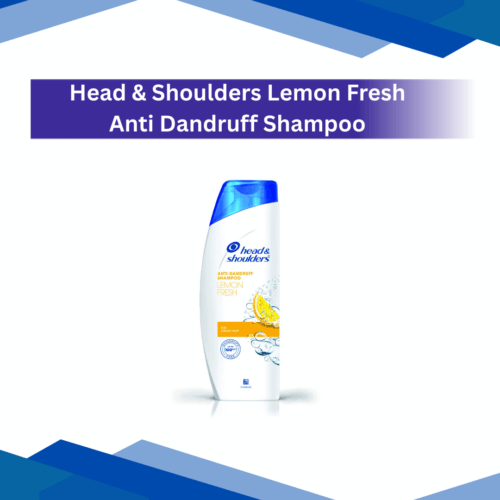
Head & Shoulders Lemon Fresh Anti Dandruff Shampoo
Lemon (Citrus limon) Extract
From culinary use, lemon (Citrus limon) is a potent source of bioactive compounds in the pharmaceutical world, including D-limonene, citric acid, and vitamin C. In concentrated extract forms (such as in children’s syrups or essential oils), lemon demonstrates antioxidant, antimicrobial, and anti-inflammatory properties, and may help manage allergic and respiratory symptoms.
Why Select Lemon Extract?
Powerful Antioxidants: Rich in vitamin C and flavonoids, helping combat free radicals and support cellular health.
Immune Support: Aids in managing common infections such as cold and flu.
Respiratory Relief: Commonly used in syrups to help thin mucus and soothe inflamed airways.
Detoxification: Citric acid supports liver and kidney function by aiding in toxin elimination.
Skin & Hair Health: Promotes collagen production, helping reduce signs of aging and strengthen hair follicles.
How to Use
Oral Extract (5–10 mg): Use as directed by a doctor, typically once daily based on clinical need.
Essential Oil: Add 8–10 drops in a diffuser or dilute (10 ml oil in 100 ml carrier oil, e.g., almond oil) for topical use.
Beverage Use: Add juice of half a lemon to lukewarm water; optionally mix with honey or cinnamon.
Safety Tips Relating to Usage
Dental Care: Due to high acidity, undiluted lemon may cause tooth enamel erosion. Rinse your mouth after consumption.
Photosensitivity: Lemon oil may increase skin sensitivity to UV rays. Avoid sun exposure for at least 12 hours after topical use.
Gastric Concerns: May worsen acidity or GERD symptoms—consult a doctor if prone to heartburn.
Medication Awareness: Be cautious when using with antihistamine combinations or other medications; consult a healthcare provider before use.
Potential Side Effects
Although generally safe, some individuals may experience:
Mild gastric irritation or acidity
Drowsiness (especially in combination allergy formulations)
Dry mouth
Localized skin irritation (especially when applied undiluted)
Frequently Asked Questions (FAQs)
Q: Is lemon syrup the same as lemon juice?
A: No. In pharmaceutical contexts, “lemon syrup” or “lemon tablets” may refer to combination medications (e.g., levocetirizine + montelukast) used for allergies, not pure lemon extract. Always check active ingredients.
Q: Can lemon extract help prevent kidney stones?
A: Yes. Citrate and citric acid can increase urinary citrate levels, helping prevent stone formation.
Q: Does it interact with medications?
A: High citrus intake may affect certain drugs like statins or blood pressure medications. Consult your doctor if on long-term medication.
Q: Can I apply lemon essential oil directly on acne?
A: No. Direct application may cause irritation or chemical burns. Always dilute with a carrier oil and perform a patch test.
Q: Why are lemon-based allergy medicines taken at night?
A: Many contain antihistamines, which may cause drowsiness. Taking them at bedtime helps avoid daytime sedation.
