
Showing all 4 resultsSorted by popularity
Filter
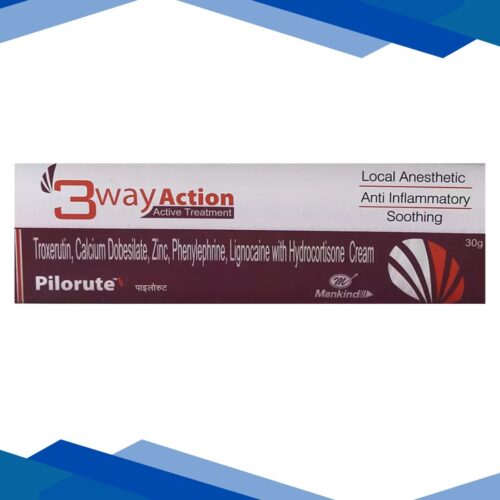
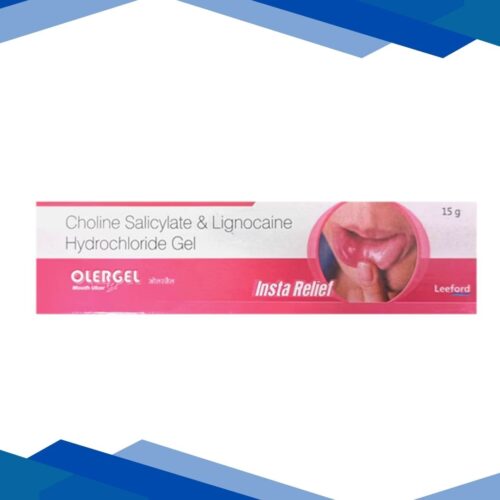
OLERGEL INSTA RELIEF Mouth Ulcer Gel 15g
Lignocaine Hydrochloride (Topical & Injectable)
Lignocaine Hydrochloride is a versatile local anesthetic used to cause a temporary loss of sensation in a specific area of the body. It works by blocking nerve signals that send pain messages to the brain. Whether used as a topical gel for minor skin irritations or as an injectable for minor surgical procedures, it is considered a gold standard for rapid-onset pain management.
Primary Therapeutic Uses
Surface Anesthesia: Relieves pain from minor burns, insect bites, or skin abrasions.
Medical Procedures: Used by professionals during catheter insertion, endoscopies, or dental work to minimize discomfort.
Neuropathic Pain: Often applied topically to manage sharp, burning pain associated with post-herpetic neuralgia (shingles).
Minor Surgeries: Provides localized numbness for stitches or small cyst removals.
Guidelines in Using Lignocaine Safely
For Topical Gels or Creams: Apply a thin layer only to the affected area. Do not apply to large areas, as this may increase drug absorption and toxicity.
Avoid Broken Skin: Unless specifically directed by a physician, do not apply to deep open wounds or severely blistered skin.
Hand Hygiene: Wash hands immediately after application to prevent accidental contact with eyes or mouth.
Skin Sensitivity Test: Apply a small patch test before first use to check for allergic sensitivity, especially with amide-type anesthetics.
Simple Precautions
Alert: Do not use Lignocaine in children below 2 years of age for teething pain, as it may be harmful.
Heart Conditions: Inform your doctor if you have a history of heart rhythm disorders, as it may affect cardiac conduction.
Liver Function: Patients with liver impairment may require dose adjustments, since the drug is metabolized in the liver.
Pregnancy: Consult a healthcare professional before use, although short-term topical use is generally considered safe.
Effects in General
Although Lignocaine is usually well tolerated, some localized side effects may occur:
- Temporary redness or swelling at the application site
- A mild “pins and needles” sensation as numbness wears off
- Pale skin coloration where applied
- Rarely, mild dizziness or visual disturbances
Frequently Asked Questions (FAQs)
Q: Should Lignocaine feel tasteless, begin to sting, or become less tender?
A: A mild tingling or stinging sensation may occur initially, followed by numbness within a few minutes. Injectable forms act almost immediately.
Q: How long does numbness last?
A: Typically, 30 minutes to 2 hours, depending on the dose and blood flow to the area.
Q: Can we use lignocaine for toothache at home?
A: Use only products specifically labeled for oral/dental use. Avoid applying skin formulations inside the mouth.
Q: Are lignocaine and benzocaine the same drug?
A: No. Both are local anesthetics, but Lignocaine is an amide, while Benzocaine is an ester. Some individuals may be allergic to one but not the other.
Q: Is this good before getting a tattoo?
A: Lignocaine is sometimes used for tattoo pain relief, but consult your tattoo artist first, as it may affect skin texture and ink absorption.