


Showing the single result
Filter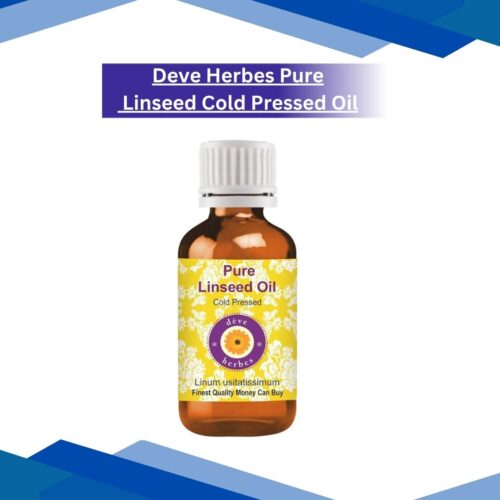
Deve Herbes Pure Linseed Cold Pressed Oil
Linum Usitatissiumum (Flaxseed) Extract
Linum Usitatissimum (flaxseed) is among the oldest crops in the world. In modern medicine, it has re-emerged as a nutraceutical due to its rich content of alpha-linolenic acid (Omega-3), soluble fiber, and polyphenols. Whether consumed as whole seeds, cold-pressed oil, or encapsulated extracts, it is widely recognized for its cardiovascular and digestive health benefits.
The Reasons Doctors Recommend This Food
Heart Health: High in Omega-3 fatty acids, it supports healthy cholesterol levels and arterial function.
Healthy Digestive Flow: Its natural mucilage and fiber act as a gentle bulk-forming laxative, promoting regular bowel movements.
Hormonal Balance: Contains lignans (phytoestrogens) that may help reduce symptoms of hormonal fluctuations, especially in women.
Anti-inflammatory: Helps reduce systemic inflammation, supporting joint and skin health.
How to Use
Dosage: For capsules, the typical adult dose ranges between 1000–2000 mg daily, preferably taken with meals.
Oil Use: Flaxseed oil can be added to salads or juices, but should not be used for high-heat cooking, as heat damages Omega-3 fatty acids.
Hydration: Ensure intake of 8–10 glasses of water daily, as the high fiber content may otherwise cause intestinal discomfort or obstruction.
Safety Considerations
Pre-Surgery: Avoid use at least 2 weeks before surgery, as it may have a blood-thinning effect.
Pregnancy: Due to its phytoestrogen content, consult a healthcare provider (OB-GYN) before use.
Drug Interactions: Flaxseed may delay the absorption of oral medications. Take other medicines at least 60 minutes before or after flax.
Potential Side Effects
Some individuals may experience:
- Abdominal bloating or gas
- Diarrhea
- Mild stomach cramps (especially with inadequate water intake)
Frequently Asked Questions (FAQs)
Q: What are the differences between Linum Usitatissimum and Fish Oil?
A: Both provide Omega-3 fatty acids, but flaxseed contains ALA (alpha-linolenic acid)—a plant-based precursor to EPA and DHA—making it suitable for vegetarians and vegans.
Q: Can Linum Usitatissimum be used for weight management?
A: Yes. Its high soluble fiber promotes satiety, which may help reduce overall calorie intake.
Q: Is it safe for diabetics?
A: It may help improve insulin sensitivity, but patients on antidiabetic medication should monitor blood glucose levels regularly.
Q: How should I store Flaxseed supplements?
A: Store in a cool, dark place or refrigerator to prevent oxidation of fatty acids.
Q: Does it interact with blood thinners?
A: Yes. It may enhance the effects of anticoagulants like Warfarin or Clopidogrel. Always consult your doctor before use.
