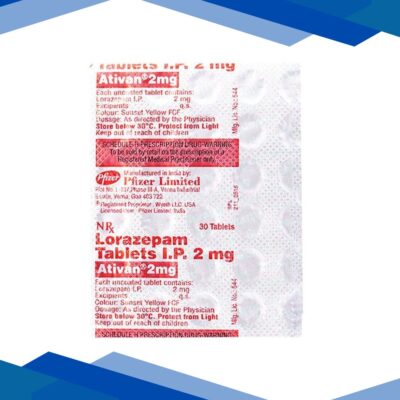
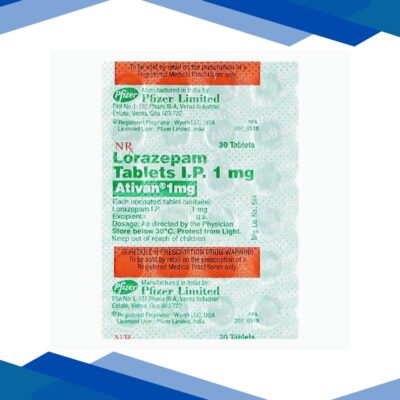
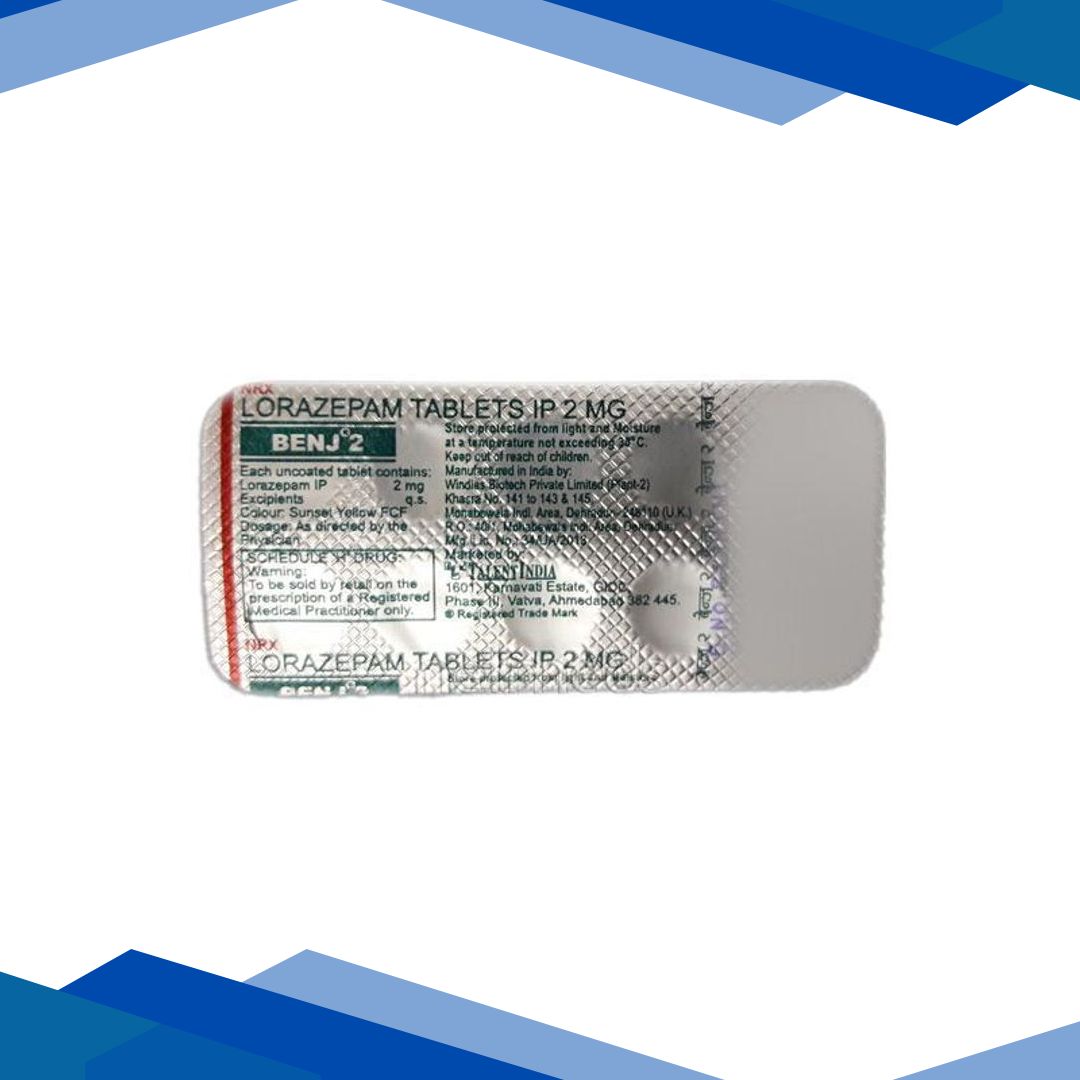
Lorazepam Tablets (1 mg / 2 mg)

Lorazepam is a highly prescribed benzodiazepine acting as a central nervous system (CNS) depressant. It is mainly used for short-term relief of severe anxiety, acute panic attacks, and anxiety-related insomnia.

It works by enhancing the effect of GABA (gamma-aminobutyric acid), a natural calming neurotransmitter in the brain. This increases inhibitory signals in the nervous system, reducing overactivity, relaxing muscles, and producing a calming, sedative effect on the body and mind.

Benefits and Uses

Relief of Anxiety Symptoms: Provides rapid but short-term relief from severe anxiety.

Control of Panic Disorders: Helps reduce acute panic attacks and symptoms such as rapid heartbeat and hyperventilation.

Aid to Promote Sleep: Used for short-term management of insomnia caused by stress or anxiety.

It may also be used in clinical settings preoperatively or before diagnostic procedures to reduce anxiety and induce temporary amnesia.

How to Use the Medication

Lorazepam has potential for dependence; therefore, it must be used strictly under medical supervision.

Dose Compliance: Never exceed or extend the duration beyond your doctor’s instructions. Usual use is limited to 2–4 weeks.

Administration: Swallow the tablet whole with a glass of water. It can be taken with or without food.

Do Not Discontinue Suddenly: Abrupt stopping after prolonged use may cause withdrawal symptoms. A gradual tapering schedule must be followed under medical guidance.

Common and Severe Side Effects

Most side effects are due to CNS depression and may improve with continued use:

Drowsiness, daytime sleepiness, or fatigue
Muscle weakness or ataxia (unsteady movement)
Dizziness or light-headedness
Mild confusion or memory lapses

Overdose – Emergency Situation

Overuse or combining Lorazepam with opioids, sleeping pills, or other sedatives can cause severe respiratory depression, deep sedation, or coma.

If breathing becomes shallow or the person cannot be awakened, seek emergency medical help immediately.

Safety Measures And Medical-Care Areas

Alcohol: Strictly avoid. Alcohol can dangerously increase sedation, respiratory depression, and loss of coordination.

Pregnancy: Unsafe. May cause congenital abnormalities and neonatal withdrawal symptoms. Consult your doctor for alternatives.

Breastfeeding: Not recommended. It passes into breast milk and may cause sedation and poor feeding in infants.

Driving and Alertness: Never drive or operate machinery. It impairs reflexes, judgment, and coordination.

Precautions: Use extreme caution in patients with a history of drug/alcohol dependence, sleep apnea, COPD, or liver/kidney disease.

Frequently Asked Questions (FAQs)

Q. How long does Lorazepam take to start working?
Effects begin within 20–30 minutes, with peak levels reached in 1–2 hours after oral intake.

Q. Can Lorazepam be used long-term for anxiety?
No. Long-term use may cause tolerance and dependence. For chronic anxiety, alternatives like SSRIs or psychotherapy are preferred.

Q. What are the withdrawal symptoms?
Withdrawal may include rebound anxiety, insomnia, irritability, sweating, tremors, muscle stiffness, and in severe cases, seizures. Always taper under medical supervision.

Q. What should I do if I miss a dose?
Take it when remembered if within a few hours. If close to the next dose, skip it. Do not double the dose.

Q. Does Lorazepam interact with allergy medications?
Yes. Many antihistamines increase sedation when combined with Lorazepam, leading to excessive drowsiness and poor coordination. Always consult a pharmacist before combining medications.

No products in the cart.