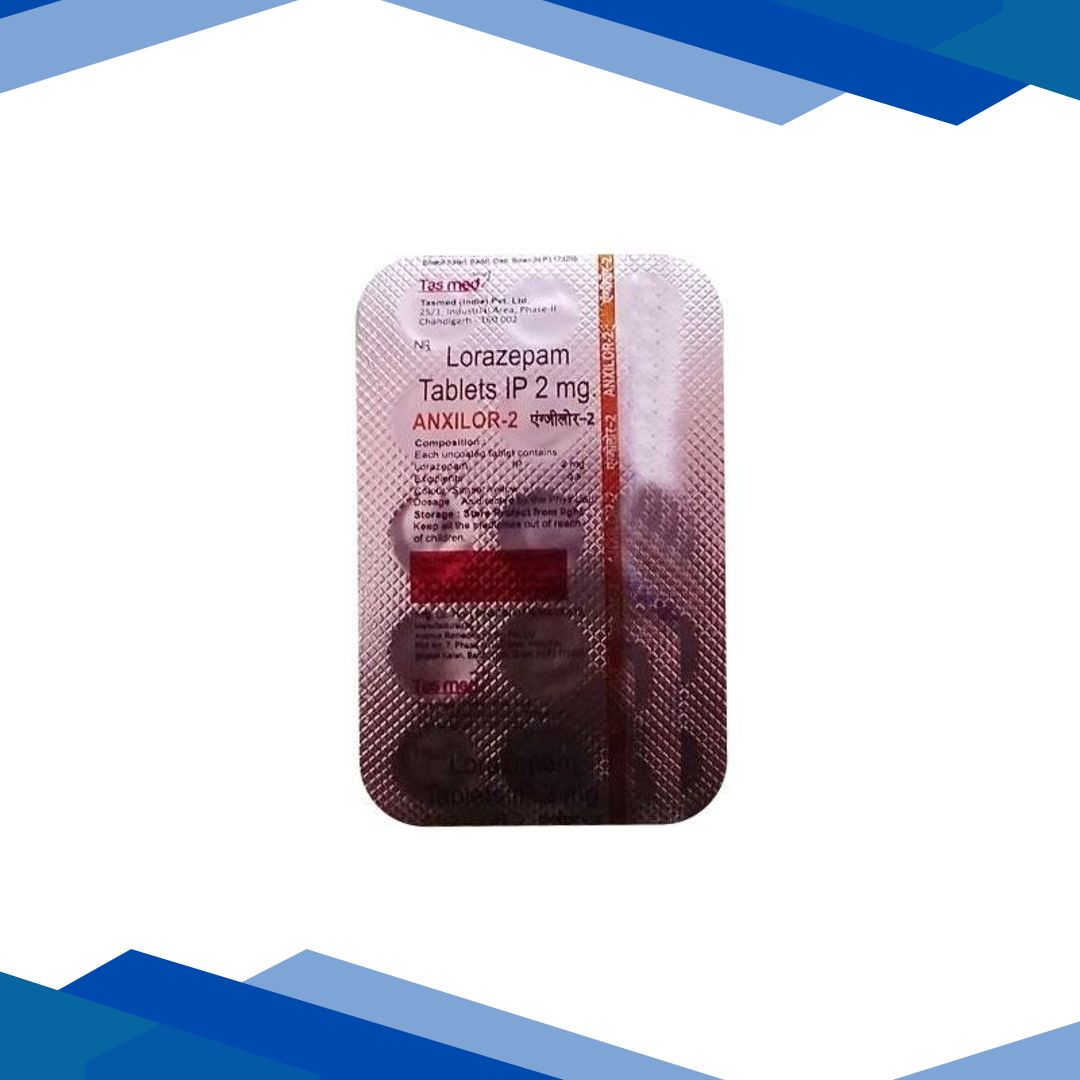
ANXILOR 2 Tablet 15’s
❌ Due to high demand, this product is currently out of stock. New stock will be available shortly.
👉 Click here to Buy Same Salt medicine
ANXILOR 2 Tablet is a combination medicine used to treat certain stomach infections, especially those caused by Helicobacter pylori (H. pylori), which can lead to peptic ulcers. It contains two antibiotics, AMOXYCILLIN and CLARITHROMYCIN, that work together to stop the bacteria from growing and help clear the infection. OMEPRAZOLE is a proton pump inhibitor that reduces the amount of acid made in the stomach, which helps relieve irritation and supports ulcer healing. This medicine is commonly prescribed as part of an eradication regimen for H. pylori-related ulcers and related stomach discomfort. It should be used under medical supervision to ensure the infection is treated effectively and safely.
Description
ANXILOR 2 Tablet is a combination medicine used mainly in the treatment of certain stomach infections caused by a bacterium called helicobacter pylori (h. pylori). this bacterium can live in the lining of the stomach and is a major cause of peptic ulcers, including ulcers in the stomach and the first part of the small intestine. by combining two antibiotics with a proton pump inhibitor, this medicine targets the infection from different angles: it helps reduce the amount of acid in the stomach, creates a less favorable environment for the bacteria, and directly kills the bacteria. this multi-step approach improves the chance of successfully eradicating the infection and allowing the ulcer to heal.
amoxycillin is a penicillin-type antibiotic that works by interfering with the bacterial cell wall, which weakens the bacteria and leads to their destruction. clarithromycin is a macrolide antibiotic that stops bacteria from making essential proteins they need to grow and multiply. omeprazole is a proton pump inhibitor (ppi) that reduces stomach acid production by blocking the acid pump in the stomach lining. lowering acid not only helps relieve symptoms such as pain and burning but also supports ulcer healing and improves the effectiveness of antibiotics against h. pylori. together, these ingredients are often used as part of a short-course eradication regimen prescribed by a healthcare professional.
this medicine is generally intended for adults and, in some cases, adolescents under medical supervision when h. pylori infection has been confirmed or strongly suspected. it is not meant for ordinary indigestion, occasional heartburn, or random stomach discomfort unless a clinician has determined that h. pylori-related disease is present. because it contains antibiotics, it should be used carefully and only when appropriate, since unnecessary antibiotic use can contribute to resistance and may cause avoidable side effects. the exact duration and schedule depend on the condition being treated and the prescriber? instructions.
patients taking this combination should understand that symptom relief may occur before the infection is fully cleared. even if pain improves quickly, the full course should usually be completed as directed to reduce the risk of treatment failure and recurrence. in addition, some people may not be suitable candidates for this medicine due to allergies, certain heart rhythm problems, liver disease, or drug interactions. a healthcare professional should review all current medicines and medical conditions before treatment begins.
ingredients
- amoxycillin: a broad-spectrum penicillin antibiotic that kills susceptible bacteria by preventing them from forming strong cell walls. in h. pylori treatment, it helps directly reduce the bacterial load and works synergistically with other agents to improve eradication rates.
- clarithromycin: a macrolide antibiotic that blocks bacterial protein synthesis, limiting bacterial growth and survival. it is an important part of combination therapy for h. pylori, although resistance in some regions can reduce its effectiveness, which is why medical selection of therapy matters.
- omeprazole: a proton pump inhibitor that suppresses acid secretion in the stomach. by lowering acidity, it reduces irritation, helps ulcers heal, and enhances antibiotic activity against h. pylori. it also improves symptom control in acid-related stomach conditions.
key uses
- eradication of h. pylori infection: this is the main use of the combination. treating the infection can help prevent recurrence of ulcers and reduce the risk of complications such as bleeding or perforation.
- treatment of peptic ulcers associated with h. pylori: when h. pylori is contributing to stomach or duodenal ulcers, this medicine helps remove the cause while also reducing acid so the ulcer can heal.
- supportive management of acid-related ulcer symptoms: omeprazole lowers acid levels, which may reduce burning pain, nausea, or discomfort while the infection is being treated.
- prevention of ulcer recurrence in selected patients: successfully clearing h. pylori can lower the chance that an ulcer will come back after healing.
how to use
ANXILOR 2 Tablet should be taken exactly as prescribed by a doctor. it is usually used as a short-term combination therapy rather than a long-term daily medicine. the tablets or capsules are commonly taken around meal times or as instructed, because food may affect tolerance for some people and the timing can matter for effectiveness. swallow the medicine with water and do not crush or chew it unless a healthcare professional specifically tells you to do so.
it is important to complete the full prescribed course, even if symptoms improve early. stopping too soon can allow the infection to persist and may make future treatment more difficult. if a dose is missed, the general rule is to take it as soon as you remember unless it is nearly time for the next dose; do not double doses unless advised by a clinician. because this combination includes antibiotics, using it only when appropriate and following the exact schedule helps reduce the risk of antibiotic resistance and treatment failure.
before starting, tell your doctor or pharmacist about any allergies, especially to penicillins, cephalosporins, macrolides, or ppis. also mention any history of liver disease, kidney disease, heart rhythm problems, or previous antibiotic-associated diarrhea. if you take multiple medicines, medical review is especially important because clarithromycin can interact with many drugs.
safety information
- warnings: do not use this medicine if you are allergic to amoxycillin, clarithromycin, omeprazole, other penicillins, or similar antibiotics unless a doctor has specifically evaluated the risk. clarithromycin can interact with many medications and may affect heart rhythm in susceptible people. severe diarrhea, rash, breathing difficulty, swelling of the face, jaundice, or unusual weakness require urgent medical attention.
- side effects: common side effects may include nausea, diarrhea, abdominal pain, vomiting, headache, altered taste, bloating, or mild skin rash. more serious effects can include severe allergic reactions, clostridioides difficile-associated diarrhea, liver problems, yellowing of the skin or eyes, palpitations, abnormal heart rhythm, severe skin reactions, and persistent or worsening abdominal symptoms.
- precautions: use cautiously in people with a history of asthma, drug allergies, liver disease, kidney disease, electrolyte imbalance, or heart rhythm disorders. people with a history of qt prolongation or those taking medicines that can prolong qt interval need special assessment. this combination should be used only when clinically appropriate and under supervision.
- pregnancy/breastfeeding: use during pregnancy or breastfeeding should be discussed with a healthcare professional. amoxycillin and omeprazole are commonly used in pregnancy when needed, but clarithromycin requires more caution and may not be preferred in some situations. a doctor must balance the benefits and risks for both mother and baby.
- interactions: clarithromycin has significant interactions with many medicines, including some statins, blood thinners, antiarrhythmics, certain anticonvulsants, immunosuppressants, and other drugs metabolized by liver enzymes. omeprazole can also affect the absorption or activity of some medicines. alcohol is best avoided or limited if it worsens stomach irritation or if the patient is unwell, although alcohol is not the direct major interaction; the larger concern is tolerability and liver strain in some individuals.
additional information
- storage: store in a cool, dry place away from direct sunlight, heat, and moisture. keep the medicine in its original packaging and out of reach of children. do not use it after the expiry date.
- missed dose: if a dose is missed, take it when remembered unless the next dose is due soon. if it is almost time for the next dose, skip the missed dose and continue the regular schedule. do not take extra medicine to make up for a missed dose.
- overdose: an overdose may cause severe stomach upset, vomiting, diarrhea, confusion, dizziness, or other serious effects, depending on the amount taken and the person? health. seek urgent medical help or contact poison control immediately if an overdose is suspected.
- habit forming: no. this medicine is not habit forming. however, it should be used only as directed because inappropriate or repeated use can lead to antibiotic resistance and reduce future treatment success.
frequently asked questions
Q: what is ANXILOR 2 Tablet used for?
A: it is mainly used to treat h. pylori infection, which is commonly linked to stomach and duodenal ulcers. by combining two antibiotics with a stomach-acid reducer, it helps eliminate the infection and supports ulcer healing.
Q: how does this medicine work?
A: amoxycillin kills bacteria by weakening their cell walls, clarithromycin stops bacteria from making proteins they need to survive, and omeprazole lowers stomach acid. the combined effect helps clear h. pylori more effectively than using one medicine alone.
Q: can i take this medicine if i only have heartburn?
A: this medicine is not meant for ordinary heartburn unless a doctor has diagnosed an h. pylori-related problem or another condition that specifically requires it. for simple heartburn, other treatments may be more appropriate.
Q: what are the most common side effects?
A: common side effects include nausea, diarrhea, stomach pain, headache, vomiting, and altered taste. most are mild to moderate, but severe diarrhea, rash, or signs of allergy need immediate medical attention.
Q: should i complete the full course even if i feel better?
A: yes. completing the full course is usually very important to fully eradicate h. pylori and reduce the chance of the infection coming back or becoming harder to treat.
Q: who should be careful before using this medicine?
A: people with allergies to penicillins or macrolides, those with liver disease, kidney disease, heart rhythm problems, or anyone taking many prescription medicines should be evaluated carefully before use.
Q: can this medicine interact with other drugs?
A: yes. clarithromycin can interact with many medicines, including certain statins, blood thinners, and antiarrhythmics. always tell your doctor or pharmacist about all medicines, supplements, and herbal products you take.
Q: is it safe during pregnancy?
A: pregnancy use should be decided by a doctor. some components may be used when necessary, but clarithromycin requires caution, so medical advice is essential before taking this combination during pregnancy.
Q: can i drink alcohol while taking it?
A: alcohol is not the main direct interaction, but it may worsen stomach irritation, nausea, or overall intolerance. it is usually best to limit or avoid alcohol while being treated, especially if you feel unwell.
Q: what should i do if i miss a dose?
A: take it as soon as you remember unless your next dose is close. if it is nearly time for the next dose, skip the missed one and continue normally. do not double the dose.
Q: can this medicine cause diarrhea?
A: yes. diarrhea is a known side effect because antibiotics can affect normal gut bacteria. severe, persistent, or watery diarrhea should be evaluated promptly, as it can sometimes indicate a more serious infection.
Q: why is omeprazole included with antibiotics?
A: omeprazole reduces stomach acid, which helps ulcers heal and makes the environment less favorable for h. pylori. it also improves the overall effectiveness of the antibiotic combination.
Q: can i stop taking it once my stomach pain improves?
A: no, not unless your doctor tells you to stop. symptoms can improve before the infection is fully cleared, so stopping early can lead to treatment failure.
Q: does this medicine work for all h. pylori infections?
A: not always. success depends on local antibiotic resistance patterns, previous antibiotic exposure, and whether the medicine is taken correctly. a healthcare professional chooses the most appropriate regimen based on these factors.
this information is for educational purposes only and should not be considered medical advice. always consult a qualified healthcare professional before use.
At Gem Pharmacy, we make every effort to provide accurate, expert-written, and thoroughly reviewed information related to medicines. However, this information should not be considered a substitute for professional medical advice, diagnosis, or treatment from a qualified doctor.
The purpose of this information is to educate users and improve communication between patients and healthcare professionals. It should not be used to diagnose or treat any condition.
Always consult a certified healthcare professional before taking any medication.


Related products