
Showing 1–20 of 34 resultsSorted by popularity
Filter
SHELCAL JOINTS Capsule 10’s
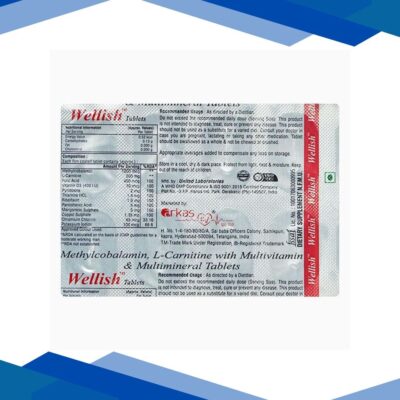
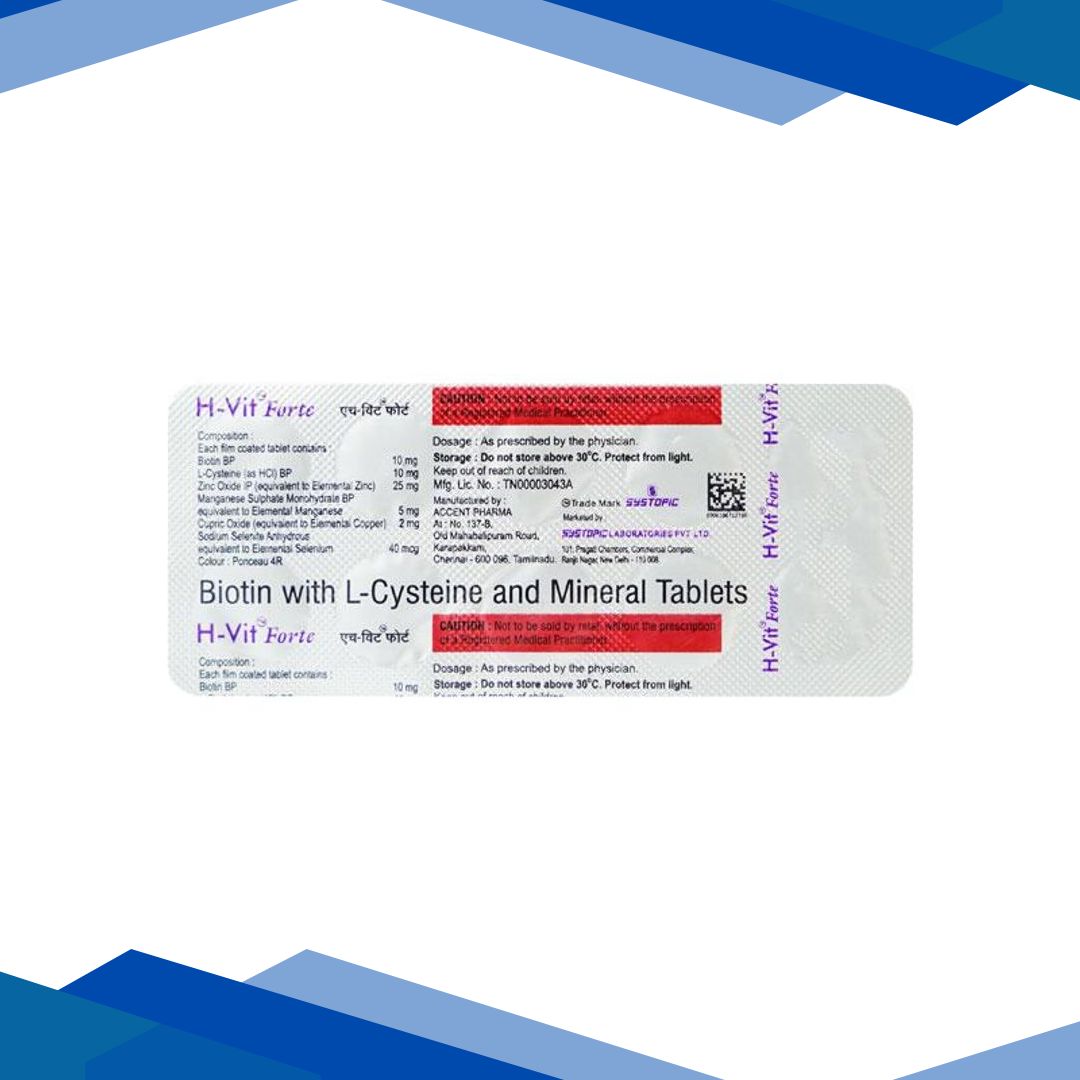
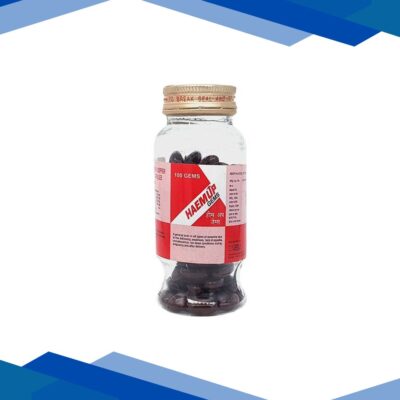
Haem UP Gems Capsule 100’S
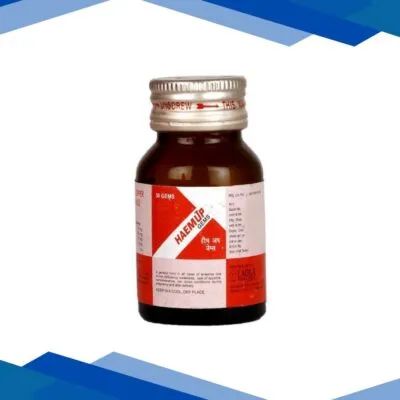

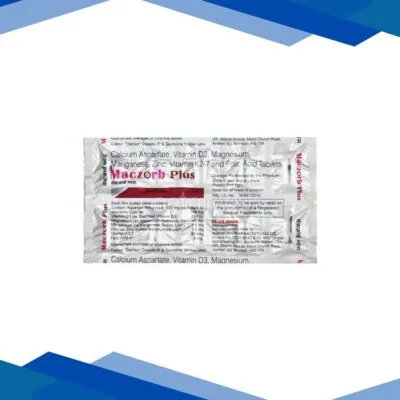
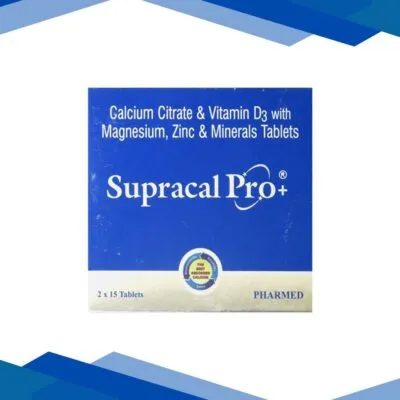
Supracal Pro + Tablet 15’S



EYETAMIN SUGAR FREE Suspension 200ml
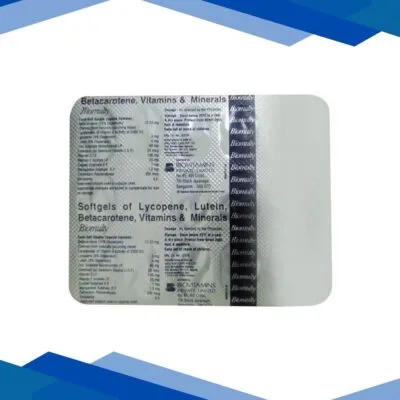
BIOMULTY Soft Gelatin Capsule 15’s

GRD Chocolate Powder(Refill) 400gm


PROTILAB ADVANCE KESAR BADAM FLAVOUR Powder 200g

FRESUBIN LP CARAMEL VANILLA FLAVOUR Powder 400gm

FRESUBIN ONCO ORANGE FLAVOUR Powder 400gm

TRICOGRO NEW CHOCOLATE AND VANILLA FLAVOUR Tablet 10’s
Manganese Sulphate: Vital Trace Mineral for Metabolic and Skeletal Health
Manganese sulphate is a vital mineral salt used to treat or prevent manganese deficiency in the body. Only minute ‘trace’ amounts are needed, and its role as the essential cofactor in several major enzymes that mediate bone formation, blood clotting, and metabolism of carbohydrates and fats. Manganese sulphate is commonly present in multi-mineral supplement formulations as well as in Total Parenteral Nutrition (TPN), ensuring that the body’s internal molecular machinery works well, particularly in connective tissue formation and protective mechanisms of cells against oxidative stress.
How It Works: The “Enzyme Activator”
Bone Mineralization: Manganese is important for glycosyltransferase enzyme, which is essential for synthesizing proteoglycans that are crucial for healthy cartilage and bone structure.
Antioxidant Defense: This is one of the constitutive elements in Manganese Superoxide Dismutase (MnSOD), the main antioxidant enzyme in mitochondria that seeks to combat harmful free radicals and neutralize them.
Metabolic Regulation: It activates enzymes that regulate gluconeogenesis (glucose production) and the urea cycle, thus decomposing proteins and energy molecules to gain maximum effectiveness.
Quick Product Insights
Feature Details
Drug Class Essential Trace Mineral / Micronutrient
Common Forms Tablets (in Multi-minerals), IV Infusions, Oral Liquids
Primary Indication Nutritional Deficiency, Bone Health, Chronic Fatigue
Bioavailability Absorbed in the small intestine; absorption is hindered by high Calcium/Iron intake
Storage Store at room temperature ($25^\circ\text{C}$); protect from moisture
Key Medical Benefits
Skeletal Integrity: Supports the prevention of bone loss (Osteoporosis) when combined with Calcium, Zinc, and Copper.
Wound Healing: Plays a secondary role in collagen production, necessary for skin repair post-injury.
Metabolic Support: Helps maintain stable blood sugar levels by assisting in proper insulin secretion and action.
Anemia Adjunct: Used in iron supplements to support the overall synthesis of red blood cells.
Popular Brands in India
In India, results are never seen when Manganese Sulphate is used as a monopill but is a part of dependable multimineral and pregnancy supplements:
Revitaneuron
Gemcal-YS (Alkem Laboratories)
Bond 7 (Variants)
Maxirich (Cipla)
Orofer-XT (Select multi-micronutrient formulations)
Usage & Safety Guidelines
Patient Tip: Do not take Manganese Sulphate with high-dose Calcium or Iron supplements at the same time. These minerals play “a game of soccer” for absorption in the stomach, disabling Manganese from working properly. Put at least 2 hours between them.
Precautions:
Liver Health: Manganese elimination indeed happens mainly through bile. Those suffering from Cirrhosis or liver failure are therefore advised to be careful while using manganese, as this mineral can accumulate in the brain inducing toxicity.
Anemia: Ironically, if one is severely iron deficient, the body may absorb too much manganese. Levels must be monitored when managing chronic anemia.
Long-term IV Use: Regular blood check-ups are strongly recommended for those receiving long-term vein nutrition (TPN) to keep manganese levels from climbing too high at toxic levels.
Side Effects
Expected side effects from keeping intake to the recommended dietary values are very rare. Nevertheless, large quantities may cause:
Nausea or stomach upset
Loss of appetite
In rare cases of serious over-supplementation: neurological symptoms like tremors or “mask-like” facial expressions (Manganism).
Frequently Asked Questions (FAQs)
1. Is Manganese the same as Magnesium?
No. Though they are similar phonetically, they are very different minerals. Magnesium is a “macro-mineral” needed in large quantities for muscle and nerve function. Manganese is a “trace mineral” that is needed in very tiny quantities primarily for enzyme activation and hence bone health.
2. Can I get enough Manganese from my diet?
Yes. Most people could get enough through whole grains, nuts, leafy greens (e.g., spinach), and tea, and only diluted Manganese Sulphate supplements for aiding in absorption are generally for those with specific absorption issues, chronic illness, or during pregnancy, with doctors’ sign-off.
3. Why is it included in my joint support supplement?
Its need for chondroitin sulphate, a basic cartilage component in your joints, is vital to the structure of this joint “scaffolding,” thereby reducing the friction between bones causing osteoarthritis pain.
4. Is it safe for pregnant women?
It is critical to the skeletal growth of the fetus. Consequently, most prenatal vitamins supply Manganese Sulphate. However, women should not take additional standalone supplements without professional advice from a health care provider once a deficiency has been identified. Alternatively put, is Manganese safe for pregnant women? Despite the fact that Manganese is crucial for bone development, it is a good idea to stick to a well-balanced diet that includes sources of Manganese and appropriate prenatal care to ensure sufficient supplementation. Any other formals for its supplementations should be managed carefully with close monitoring for its abuse.
5. What are the signs of Manganese toxicity?
Toxicity is rare with normal food or standard supplements prescribed by licensed healthcare providers. However, heightened intake from industrial exposure or liver disease may lead to signs like “manganese madness” (irritability and hallucinations) or tremors associated with Parkinsonism. Stick to your prescribed dosage.
Editing: These texts are intended for purposes of information. Manganese is a powerful micronutrient; always talk to a doctor or healthcare provider before beginning a new regimen, particularly if you have pre-existing liver or kidney problems.