
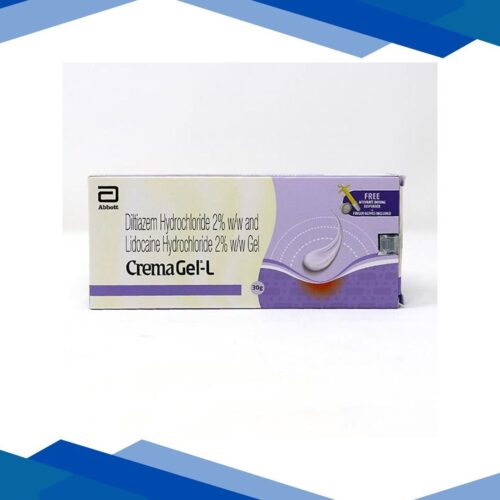
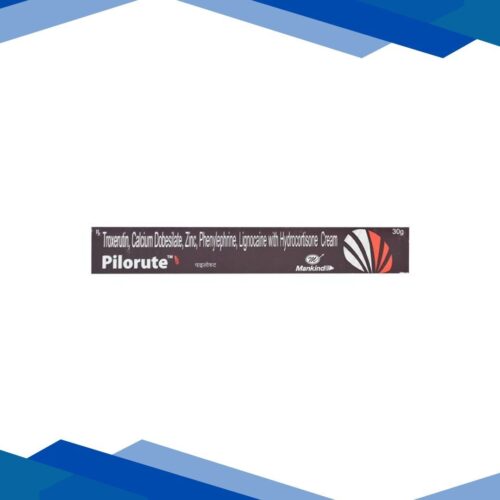
Showing all 5 resultsSorted by popularity
Filter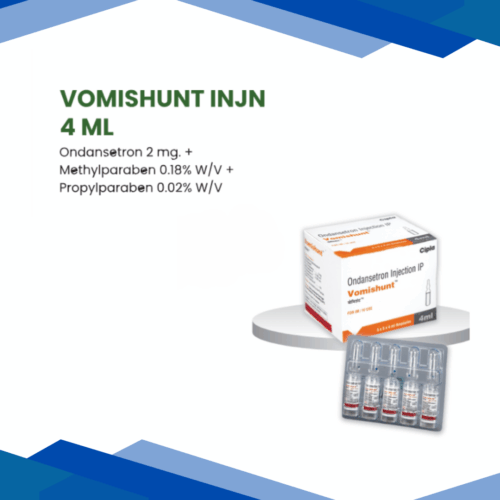
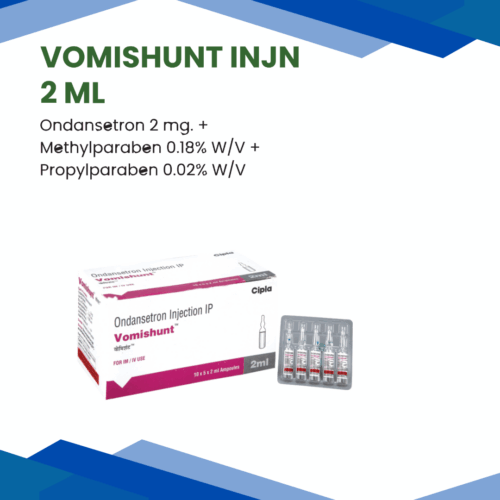
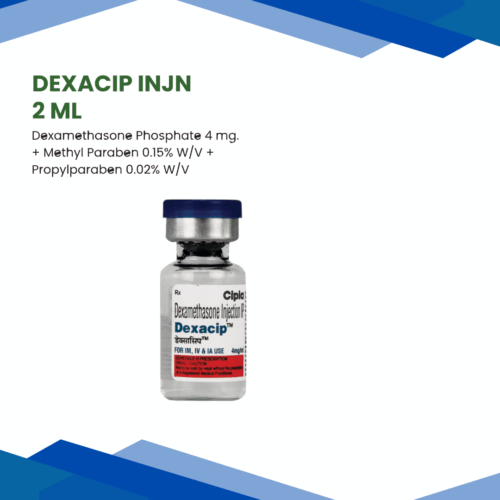
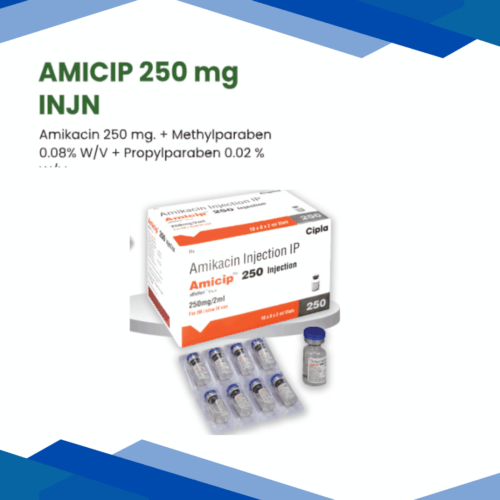
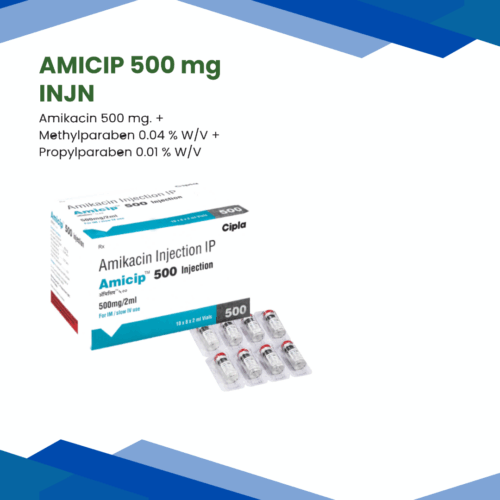
Methylparaben (E218)
Methylparaben is a preservative that belongs to a class of compounds called parabens, and it is with increasing frequency in those with methyl groups attached to hydroxyl groups of the aromatic ring. In natural products, it is a methyl ester of p-hydroxybenzoic acid found in certain fruits such as blueberries. In the pharmaceutical realm, it serves as a critical inactive ingredient (excipient) designed to control the growth of bacteria, fungi, and molds in various medicinal formulations, so that such medicines are guaranteed to remain sterile and safe for human consumption throughout their shelf-life.
Primary Functions & Benefits
- Antimicrobial Protection: Greatly hampers a large spectrum of microorganisms, particularly yeasts and molds.
- Product Stability: Inhibits chemical degradation of medicines due to microbial contamination.
- Versatility: Found in creams, topical drugs for eye treatment, oral syrups, and injectable solutions.
- Safety Record: Its safety record speaks for itself for more than 50 years; “generally recognized as safe” (GRAS) by the FDA when used within regulated limits.
Where It Is Found
The “inactive ingredients” section of most household products contains Methylparaben, due to its high efficiency:
Topical Medicines: Antifungals, corticosteroids, cooling gels.
Oral Medicines/Suspensions: Cough syrups, liquid vitamins, pediatric suspensions.
Cosmetic/Personal Hygiene: Shampoos, lotions, sunscreens.
Injectables: Used in multidose vials where repeated punctures require preservation.
Safety & Precautions
By and large, Methylparaben has a strong safety profile, but some considerations apply:
Dermatological Sensitivity: Rare cases of contact dermatitis (redness, itching) may occur in sensitive individuals.
Interaction with UV: Some studies suggest that high concentrations applied to skin may interact with UVB rays and potentially contribute to skin aging. Using sunscreen is advisable.
Human Metabolism: Rapidly metabolized and excreted in urine, with minimal risk of accumulation in the body.
Potential Side Effects
Rare, usually mild local allergic reactions:
Mild skin irritation or rash
Hives or localized swelling
Burning sensation on application
Frequently Asked Questions (FAQs)
Q: Can Methylparaben be considered an active drug?
A: No. It is an excipient (inactive ingredient). It does not treat disease directly but helps protect medicines from contamination and spoilage.
Q: Can parabens like Methylparaben be used daily?
A: Yes. Regulatory authorities like the FDA and EMA consider it safe within prescribed limits (typically 0.01% to 0.3% in formulations).
Q: Is it safe for people with gluten allergy?
A: Yes. Methylparaben is gluten-free and safe for individuals with celiac disease or gluten sensitivity.
Q: Is there any link between Methylparaben and cancer?
A: Current scientific evidence does not support a direct link between Methylparaben and cancer in approved pharmaceutical or cosmetic use. It remains a well-studied and regulated compound.
Q: How can I identify Methylparaben in a product?
A: Check the ingredient or excipient list on packaging. It may appear as Methylparaben, methyl p-hydroxybenzoate, or E218.