


Showing 1–20 of 54 resultsSorted by popularity
Filter


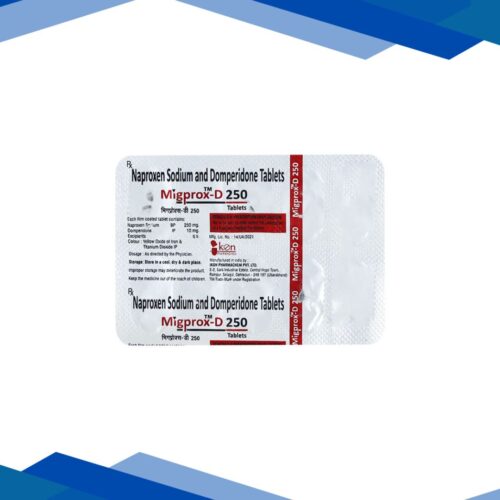

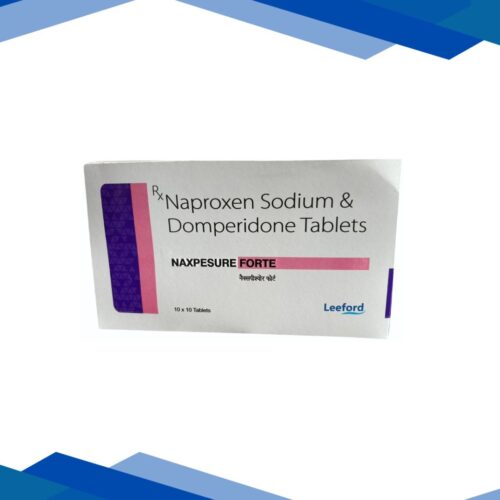
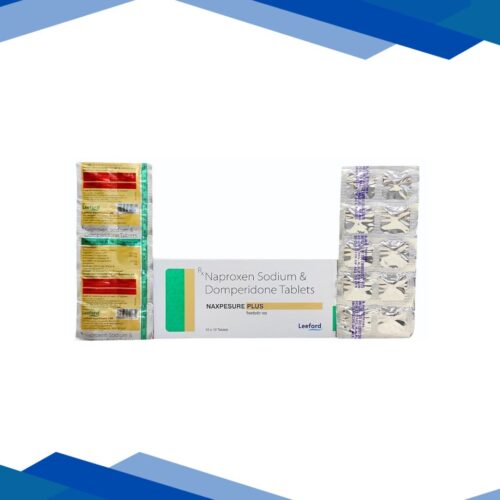
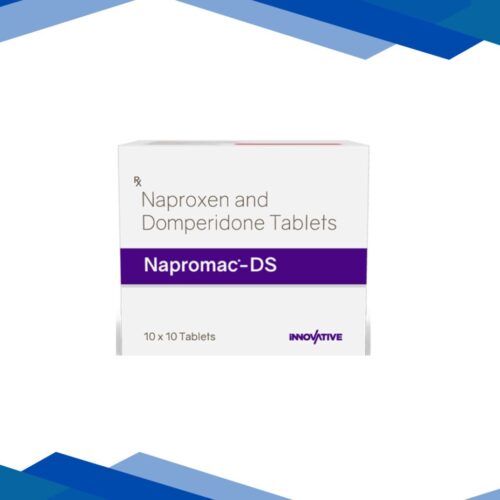



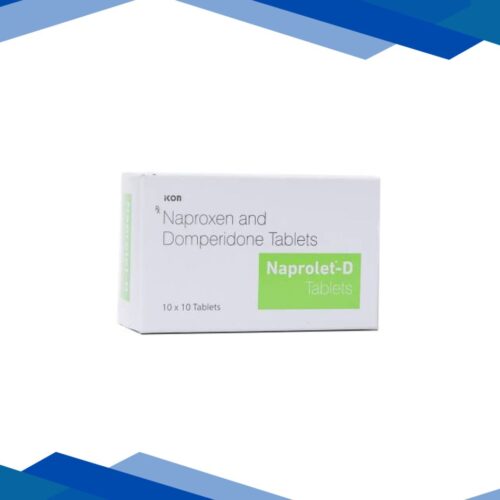
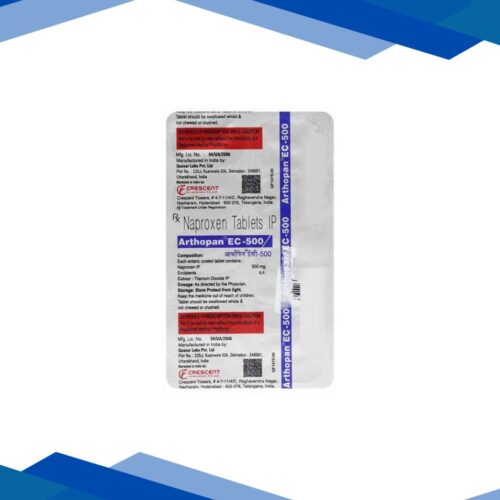
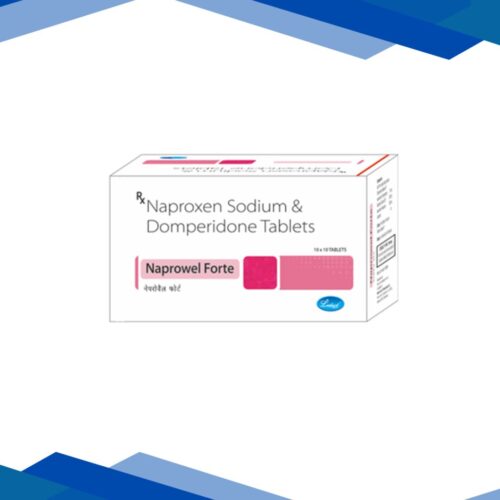


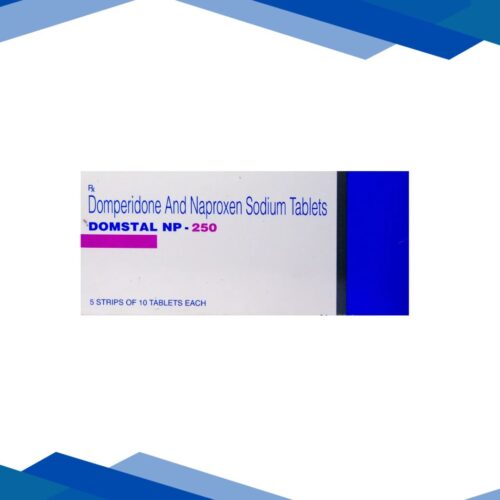

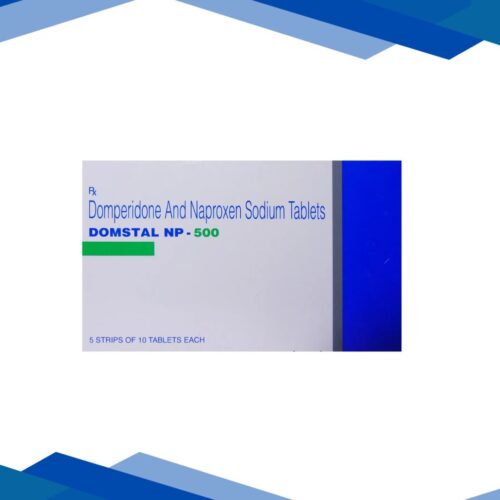

Naproxen 250mg/500mg Tablets
Naproxen is a widely used NSAID (Non-Steroidal Anti-Inflammatory Drug) that helps reduce pain and inflammation. Known for its long-acting effect, it can provide relief for up to 12 hours after a dose. It works by inhibiting COX-1 and COX-2 enzymes, which are responsible for pain and inflammation pathways in the body.
Common Indications
Arthritis Care: Reduces pain and swelling in osteoarthritis and rheumatoid arthritis.
Menstrual Relief: Effective for painful periods (dysmenorrhea).
Acute Gout: Provides relief from inflammation and pain during gout attacks.
General Pain Relief: Useful for back pain, dental pain, and minor sports injuries.
Patient Guidelines
With Food: Always take Naproxen with a full glass of water and food or an antacid to protect the stomach lining.
Do Not Chew: Swallow delayed-release or extended-release tablets whole to avoid rapid drug release and side effects.
Consistency: For chronic conditions, take doses at the same time daily to maintain steady blood levels.
Precautions for Safe Use
Elderly Care: Patients above 65 years may need lower doses due to increased risk of kidney and stomach issues.
Heart Health: Consult a doctor if you have high blood pressure or a history of heart disease.
Avoid Combination: Do not combine with other NSAIDs like Ibuprofen or Aspirin unless prescribed.
Alcohol: Limit alcohol intake to reduce the risk of stomach irritation.
Side Effects to Keep an Eye On
Most people tolerate it well, but possible effects include:
- Indigestion or bloating
- Mild dizziness
- Headache
- Heartburn
Stop the medication and consult a doctor if you notice black stools or persistent stomach pain.
Frequently Asked Questions (FAQs)
Q: How is Naproxen different from Ibuprofen?
A: The main difference is duration of action. Ibuprofen is taken every 4–6 hours, while Naproxen lasts longer and is usually taken twice daily.
Q: Can I take Naproxen on an empty stomach?
A: No. Taking it without food increases the risk of stomach irritation or acid reflux.
Q: How long does it take to work?
A: It typically starts working within 30–60 minutes, but for chronic conditions like arthritis, it may take a few days of regular use.
Q: Does Naproxen cause drowsiness?
A: Not commonly, but some people may feel dizziness or drowsiness. Avoid activities requiring alertness until you know how it affects you.
Q: Can I take it if I have asthma?
A: Consult your doctor first. NSAIDs like Naproxen may trigger asthma symptoms, especially in aspirin-sensitive individuals.