



Showing all 16 resultsSorted by popularity
Filter

DIGIGLO WITH ETHYL ASCORBIC ACID Cream 20g
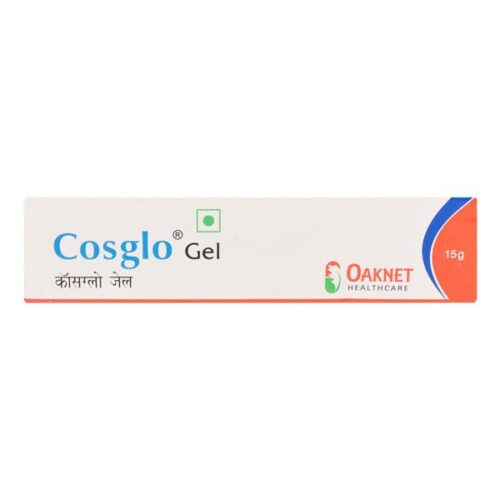
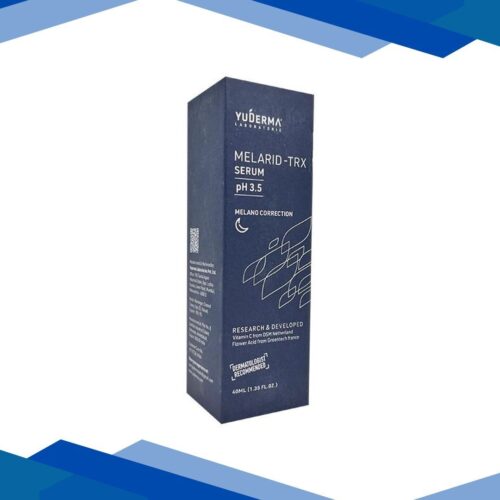
MELARID TRX MELANO CORRECTION Serum 40ml

MELASURE SKIN LIGHTENING Emulgel 20gm
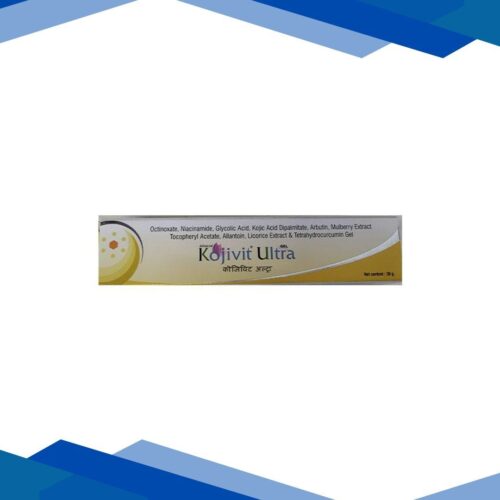
Kojivit Ultra Advanced Gel 30gm
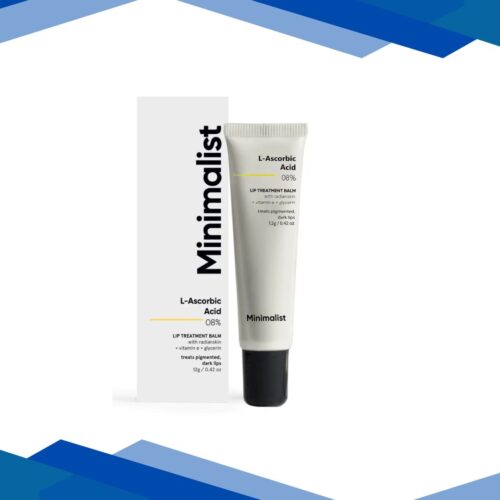
Minimalist Spf 50 PA ++++ Sunscreen with niacinamide , vitamin b5, vitamin f 50 gm
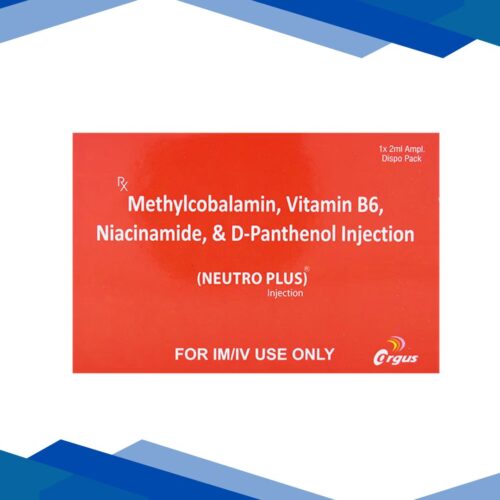

Scalp Sense Hair & Scalp Conditioner 200 ml

Lador Herbalism Shampoo 400 ml
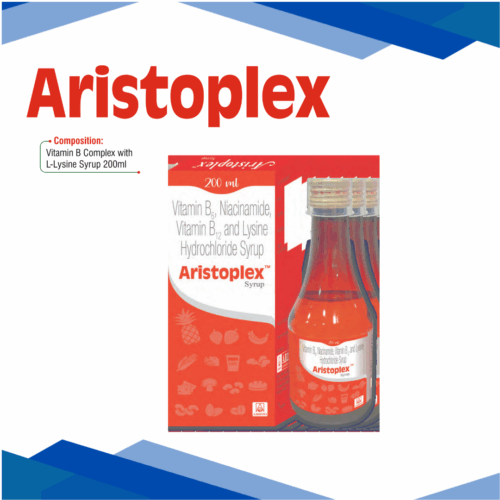
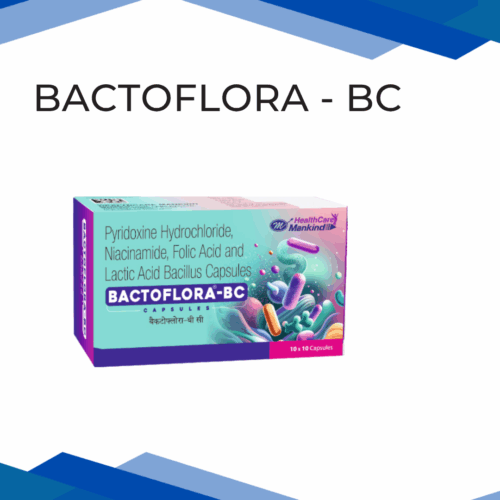
Niacinamide belongs to the water-soluble vitamin B3 complex that the body cannot store by itself an essential cofactor for cellular energy production, either as an oral supplement or through clinical skincare mechanisms. The primary function of the compound is to offer a precursor to coenzymes involved in DNA repair and overall structural anchoring of the skin (NAD+ / NADP).
Clinical Research on Key Therapeutic Effects
A. Restoring the Skin Barrier: Since ceramides capture and retain moisture in the skin maintaining a protective shield against environmental pollution.
B. The Management of Acne and Enlarged Pores: Overproduction of sebum (oil) gives rise to pimples and enlarged skin pores. Niacinamide prevents the formation of these unsightly eruptions.
C. Fixing the Hyperpigmentation: Niacinamide blocks melanin transfer into their skin cell, and together it improves the look of dark spots to the point of reaching an even skin tone.
D. Righting the Shape of Action: It is anti-oxidant, but it also reduces inflamed skin conditions like rosacea and inflamed acne.
E. Supporting The Body: Internally taken, niacinamide can beneficially help maintain healthy cholesterol and assist in metabolism of carbohydrates and proteins.
How It Works
Niacinamide is a “cell-communicating” ingredient: on contact, it communicates the directive for your skin cells to behave in a healthier way. Normally, it supports the pooling of nicotinamide adenine dinucleotide (NAD⁺) via which energy is delivered, supporting cellular repair and turnover. This vitamin, unlike its sister Niacin (nicotinic acid), does not cause much “flushing” when taken at high doses, which also results in redness for high-dose Niacin supplements.
Instruction For Usage
A. Topically (Serums/Creams) – Apply whenever needed a few drops to the skin on the face and neck on their own ideally before any richer moisturizers. It is a stable agent that can be effectively used in the morning as well as evening routines.
B. Orally (Tablets/Capsules): Take supplements while ingesting meals to maximize the absorption of niacinamide and avoid potential stomach upset.
C. Sun Protection: However, niacinamide has its antioxidant effects, ensure a broad-spectrum sunscreen is kept up during the day.
Precautions And Side Effects
Evening cleansing consciousness reality regarding most skin types including very irritable skin. Always consider the following:
Concentration Matters: While 5% is the clinical gold standard, some high-strength 10% or 20% serums may cause mild irritation or “purging” in very sensitive individuals.
Patch Test: Always, it is necessary to perform a patch test on the forearm before using on the face.
Vitamin C Interaction: Although modern formulations allow you to use both together, for those with severely irritable skin, consider using Vitamin C in the morning and niacinamide in the evening to avoid skin interferences.
FAQs
Q: Can I use Niacinamide daily?
A: Yes, Niacinamide is safe for everyday use. Consistency is always key, with visible improvement in skin texture and oil control appearing from weeks 4 to 8 after commencement of regular application.
Q: Can Niacinamide cure acne better than Salicylic acid?
A: They perform different roles. While salicylic acid (a BHA) exfoliates inside the pores to dislodge blockages, Niacinamide decreases the inflammation and oil production causing those blockages in the first place. They are often prescribed together for an all-around acne treatment.
Q: Will it make my skin peel?
A: No. Niacinamide does not act as an exfoliant, unlike retinoids. Instead, it is a strengthening agent that enhances the hydration level of the skin.
Q: Can I use Niacinamide during pregnancy?
Topical application of niacinamide is said to be safe enough during pregnancy and lactation. But if you are considering taking niacinamide supplements orally, you should always seek professional advice from your obstetrician-gynecologist so that it matches the rest of your prenatal vitamin regime.
Q: Does Niacinamide help with wrinkles?
Niacinamide can help reduce the appearance of fine lines by boosting collagen production and enhancing skin elasticity over time, often seen in tandem with peptides or retinol for more intense anti-aging effects.
