
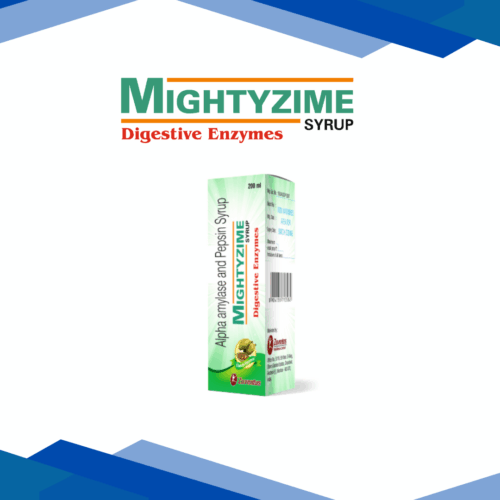
Pepsin (Digestive Enzyme)
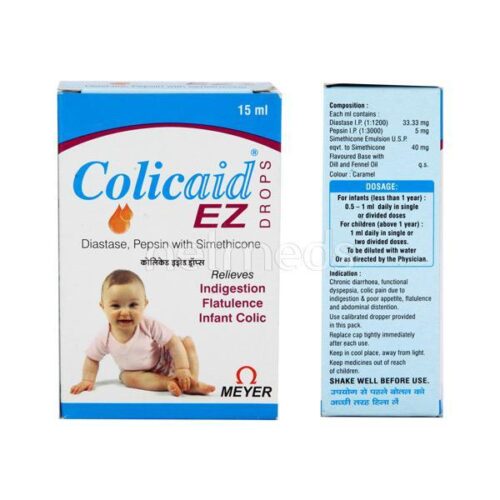
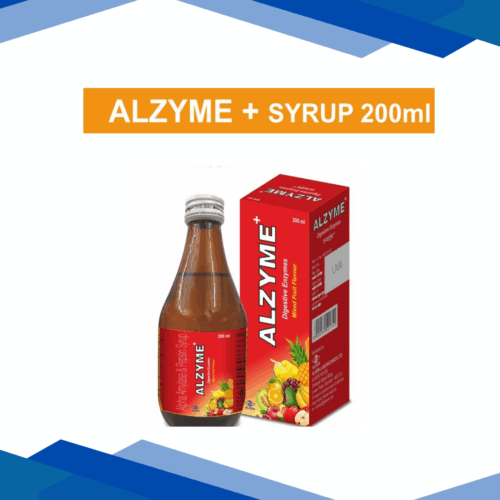
Pepsin should be at the top of your list among the protein-degrading enzymes in your stomach. It is responsible for the digestive process of breaking down dietary protein. In cases where our body does not thrive in its supply of naturally grown pepsin, there are real benefits in supplementing with it to enhance protein digestion and minimize post-meal distress.
Benefits
Protein Digestion: Pepsin is instrumental in breaking down flesh, milk, and vegetable proteins into amino acids essential for muscle growth and metabolism.
Feel Lighter after Dinner: Helps relieve that heavy feeling in the stomach after consuming a high-protein meal.
Support of the Gut’s Integrity: When proteins are fully digested, there is less undigested food left to cause fermentation or flatulence.
Synergies with HCl: Works best in an acidic environment, often combined with Betaine HCl for enhanced digestion support.
Directions for Pepsin
Timing of Administration: Pepsin reaches maximum activity when it comes in contact with food proteins. Therefore, it is best taken just before or during meals. Taking it on an empty stomach may cause irritation.
Dosage: Follow dosage in International Units (IU) or milligrams as advised. Common doses range from 100 mg to 500 mg per meal.
Do Not Chew: Swallow capsules whole. Avoid opening or chewing, as it may irritate the esophagus.
Safety and Cautions
Warning: If you have stomach ulcers or gastritis, consult a healthcare professional before using pepsin.
Pregnancy and Nursing: Seek medical advice before use during pregnancy or breastfeeding.
Vegetarian Note: Most pepsin is derived from porcine (pig) sources. Vegetarians may opt for fungi-derived proteolytic enzymes.
Possible Side Effects
Pepsin is generally safe, but some may experience:
- Mild abdominal cramping
- Temporary diarrhea
- Burning sensation in the throat (if taken without enough water)
FREQUENTLY ASKED QUESTIONS (FAQs)
Q: Can I take Pepsin every day?
A: Yes, especially if you have ongoing difficulty digesting protein. Many prefer using it with large or protein-heavy meals.
Q: How do I know if I need a Pepsin supplement?
A: Signs include prolonged fullness after meals, bloating, or undigested food in stool. A gastric acid test can confirm.
Q: Is Pepsin the same as Pancreatin?
A: No. Pepsin works in the acidic stomach, while pancreatic enzymes act later in the alkaline small intestine.
Q: Will Pepcid help me with acidity or acid reflux?
A: In some cases, improving digestion with pepsin may help if reflux is due to slow stomach emptying.
Q: Can I take it with antacids?
A: Generally avoid this combination. Antacids reduce stomach acid, which may decrease pepsin effectiveness.