


Showing all 4 resultsSorted by popularity
Filter
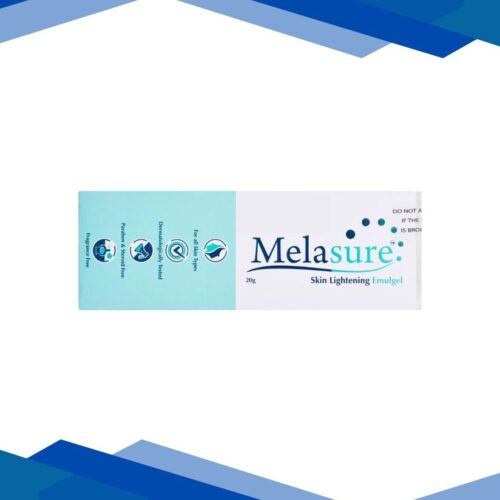
MELASURE SKIN LIGHTENING Emulgel 20gm
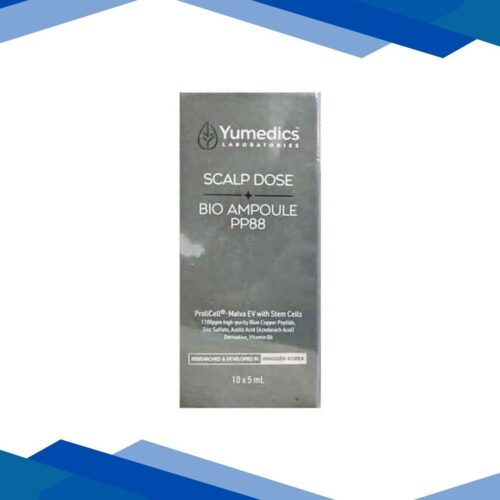
SCALP DOSE BIO AMPOULE PP88 Liquid 10X5ml
SCALP DOSE BIO AMPOULE PP88 Liquid 10X5ml
Phenoxyethanol (BP/USP Grade)
Phenoxyethanol is an important, versatile pharmaceutical preservative and broad-spectrum antiseptic extensively employed in topical medications, vaccines, and modern dermatological care. It belongs to the glycol ether family and is often utilized as an important stabilizer that prevents the growth of bacteria, yeasts, and molds in water-based formulations. It is far safer at lower concentrations and is often used in preference to paraben and formaldehyde-releasing agents.
Offered Clinical Uses
Microbial Protection: Works as a potent preservative, ensuring that the therapeutic cream remains sterile throughout its shelf life.
Antiseptic for Topical Application: Used for minor wound treatment to diminish the chances of getting secondary infections.
Solvent Enhancer: Helps stabilize complicated chemical mixtures so that active medicinal ingredients will not separate when compounded into cream and lotion.
Making livelihood through perfume-making: Has been applied in fragrant oils and ointments for the proper fixation of scent and essential oils.
Product Profile
Chemical Class: Glycol Ether / Aromatic Alcohol.
Common Concentration: This is usually found at levels of 0.5% to 1% in finished pharmaceutical products.
Purity: 99.9% Pharmaceutical Grade (BP/USP).
Compatibility: Extremely stable across a wide pH range (3 to 10), recommending its use in various skin treatments.
How to Use & Safety Guidelines
Preparation Routes: Semisolid preparations may be prepared by using well-advised concentrations indicated in the Pharmacopoeias.
For Topical or Cutaneous Applications: Phenoxyethanol should be introduced as per the advice of a dermatologist. It is generally not irritating for most skin types.
Internal Use: Strictly for external use only. Do not ingest, taking care not to apply it near the eyes or mucous membranes if specifically formulated for such areas.
Information on Safety and Immediate Side Effects
Phenoxyethanol is generally recognized as safe for use by adults according to global regulatory bodies like the FDA and EMA. However, there are a few who may experience:
Mild Skin Sensitivity: Usually appears in the form of redness or a faint stinging sensation in sensitive individuals or those with eczema.
Allergic Contact Dermatitis: Rare but probable following prolonged exposure in predisposed individuals.
Babies safety: Infants should not use products with higher concentrations of Phenoxyethanol in those areas that pose a risk of accidental ingestion, like around the mouth.
Frequently Asked Questions (FAQs)
Q: Is phenoxyethanol a paraben?
No. Phenoxyethanol is a glycol ether and not a paraben. It is often used in products that claim to be detox of preservatives as a safer and more stable alternative to traditional preservatives.
Q: Is phenoxyethanol safe for acne-prone skin?
Yes. It’s non-comedogenic, meaning it doesn’t clog pores. In fact, its antibacterial properties promote good hygiene while used in creams for acne.
Q: Why is phenoxyethanol used in vaccines?
It goes into some vaccines as a preservative against bacterial contaminants that might be there during the manufacturing process or because the vial is needed for multidose use keeping the vaccine safe for administration.
Q: Can products with phenoxyethanol be used during pregnancy?
Yes. It is generally safe for consumer health products at below one percent. However, seek advice from your obstetrician before engaging in any new medicated skincare routines.
Q: Does Phenoxyethanol have a distinct odor?
In its pure form, Phenoxyethanol has a mild, rose-like odor. However, at such low concentrations, in finished drug formulations, it is rarely if ever noticed.
Storage
Keep in a cool and ventilated room away from direct heat with a tight seal. Protect from light. Keep out of reach of the kids.
