


Showing 1–20 of 43 resultsSorted by popularity
Filter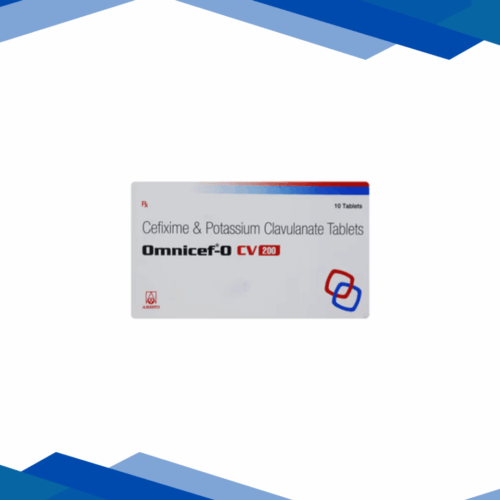

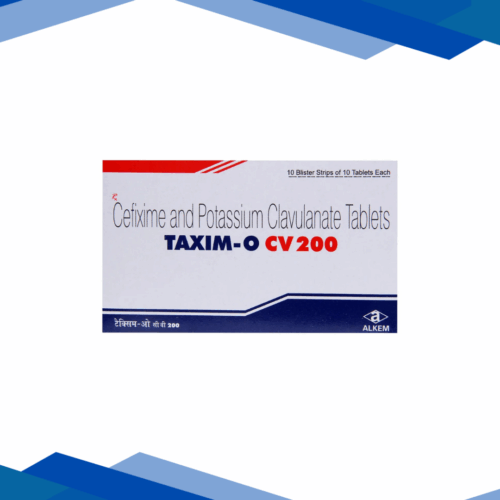
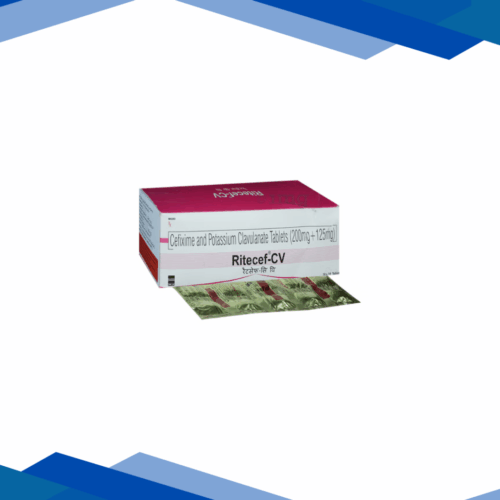
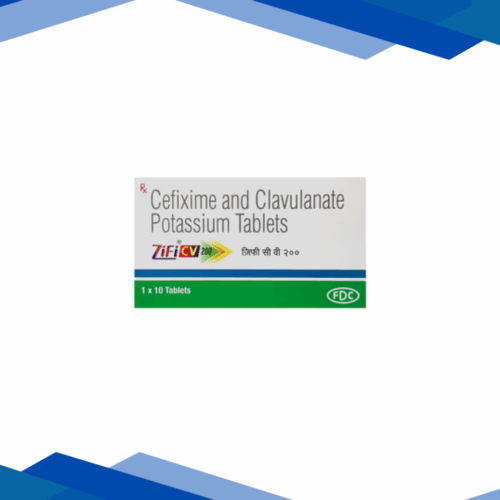
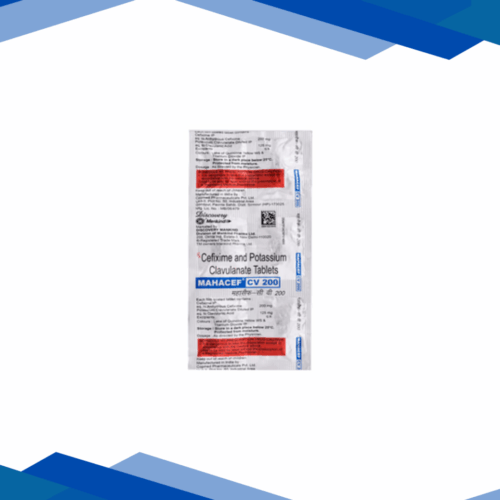



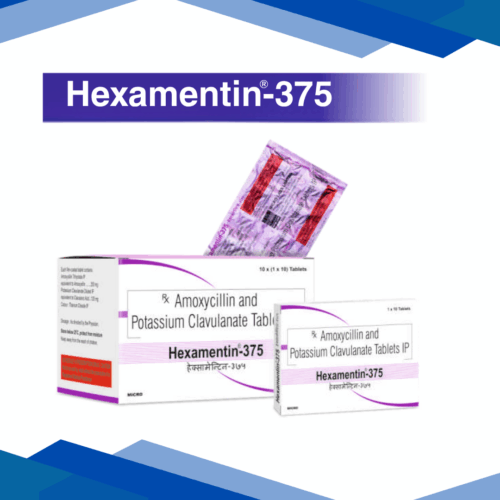
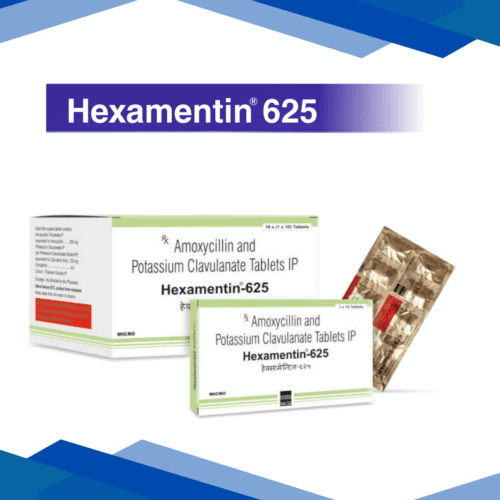
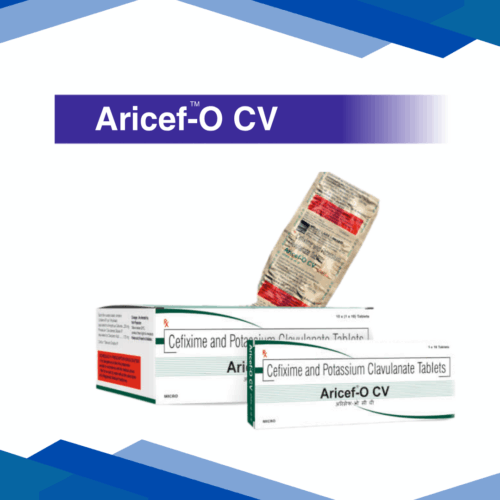

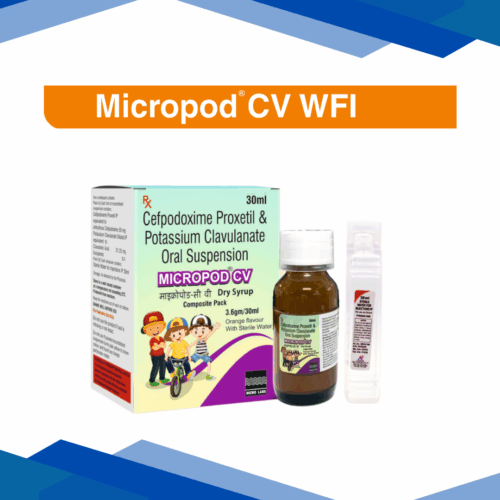

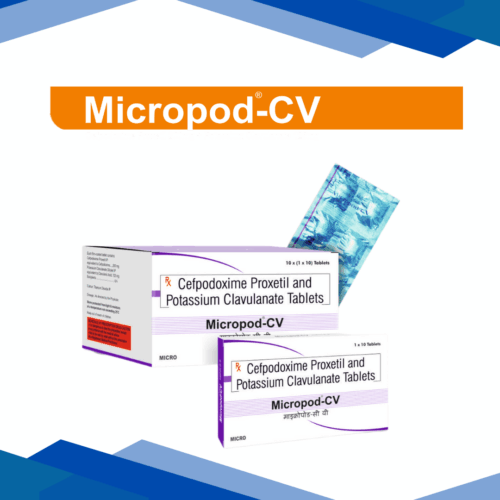
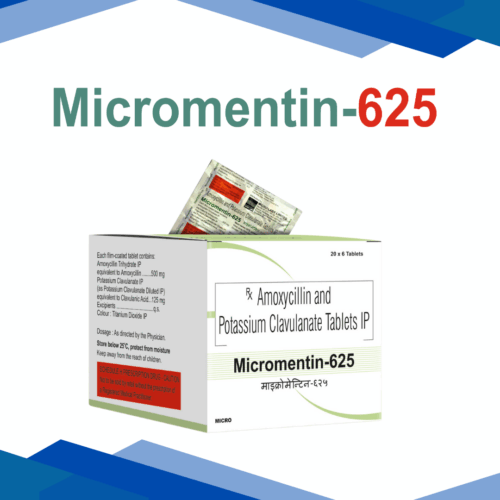
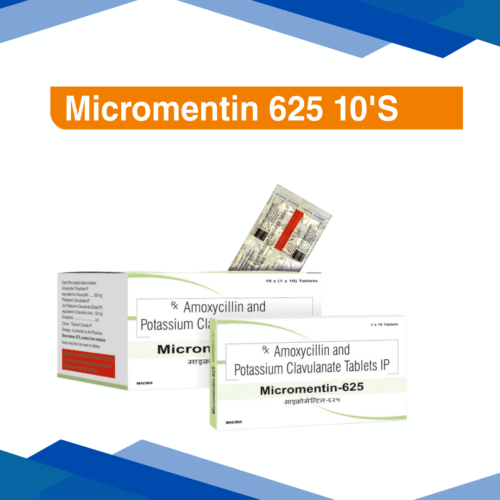
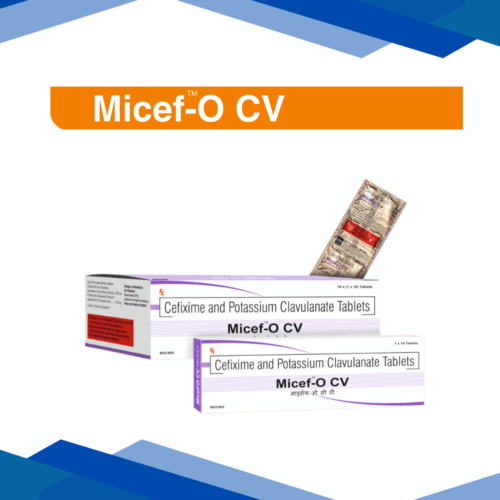

Potassium Clavulanate (with a brand designation and minute content)
Potassium Clavulanate is a strong beta-lactamase inhibitor. It does not possess significant antimicrobial activity on its own; instead, it works by protecting companion antibiotics (usually penicillins like Amoxicillin) from being destroyed by bacterial beta-lactamase enzymes. By acting as a protective shield, it allows the antibiotic to effectively eliminate resistant bacteria that would otherwise evade treatment.
Therapeutic Role & Synergies
Conquering Resistance: Prevents bacterial resistance by inhibiting beta-lactamase enzymes.
Pan-Broad-Spectrum Enhancement: Enhances the effectiveness of antibiotics when combined with Amoxicillin.
Abstracted Clinical Traction: Used in managing persistent infections of the respiratory tract, urinary tract, and soft tissues.
Main Indication
This combination is commonly prescribed for:
Respiratory infections: Acute sinusitis, bronchitis, community-acquired pneumonia
Urinary tract infections: Especially those caused by penicillin-resistant bacteria
Skin and soft tissue infections: Animal bites, dental abscesses, cellulitis
Otitis media: Middle ear infections in both children and adults
Doses & Administration
Ratio of combination: Common ratios include 4:1 or 7:1 (e.g., 500 mg Amoxicillin + 125 mg Potassium Clavulanate).
Administration: Take the medicine at the start of a meal to reduce stomach upset and improve absorption.
Encourage Completion: Always complete the full prescribed course even if symptoms improve, to prevent antibiotic resistance.
Important Safety Information
Allergy Alert: Avoid in patients with known allergy to penicillins or cephalosporins.
Liver Function: Monitor in patients with hepatic impairment; periodic liver enzyme tests may be required.
Gastrointestinal Effects: Diarrhea is common; severe or persistent symptoms (watery/bloody stools) require medical attention.
Side Effects
Most are mild and reversible:
Nausea or vomiting
Mild diarrhea or abdominal cramps
Oral thrush or vaginal yeast infections
Skin rash or itching
FAQs
Q: Why is Potassium Clavulanate added to Amoxicillin?
It inhibits beta-lactamase enzymes, allowing Amoxicillin to remain effective against resistant bacteria.
Q: Can it be taken alone?
No. It has minimal antibacterial activity by itself and is used only in combination therapy.
Q: Does it cause stomach upset?
Yes, it may cause nausea or loose stools. Taking it with food or milk helps reduce these effects.
Q: Is it safe during pregnancy?
It is generally considered Category B, but should only be used if prescribed by a doctor.
Q: Any dietary restrictions?
No strict restrictions, but staying well-hydrated and consuming probiotics (like yogurt) may help maintain gut health.
Storage & Handle
Store in a cool, dry place (20°C–25°C). Protect from moisture, as it may affect stability and potency.
Disclaimer
This content is for informational purposes only and is not a substitute for professional medical advice. Always consult your physician before starting any antibiotic treatment.