

Uses, Side Effects, and Cautions
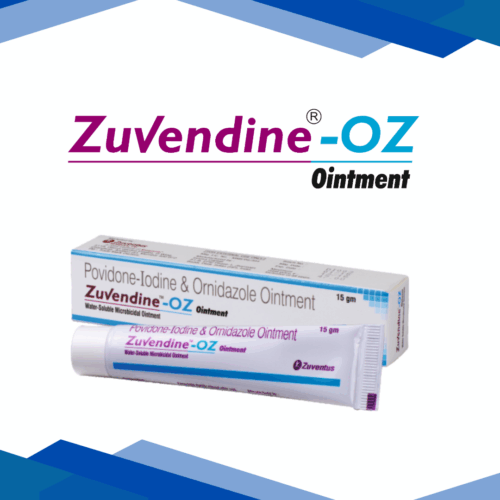
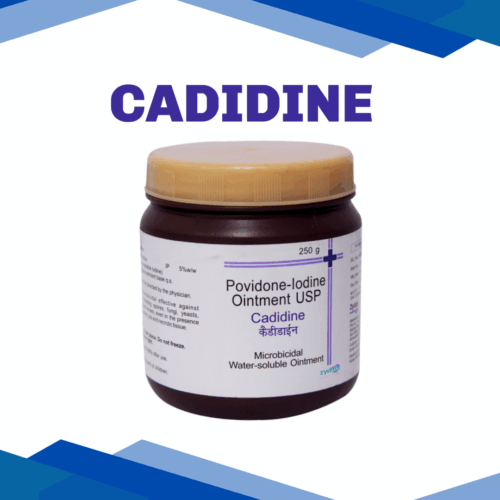
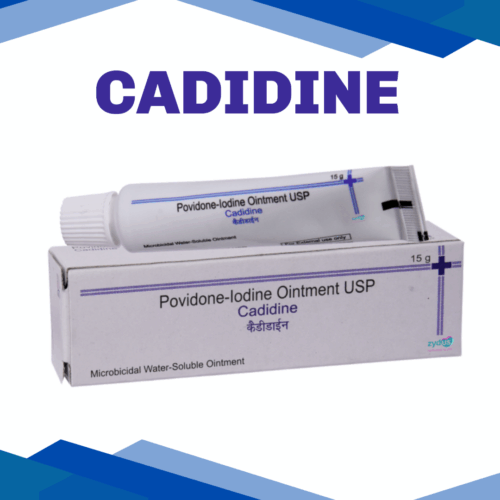
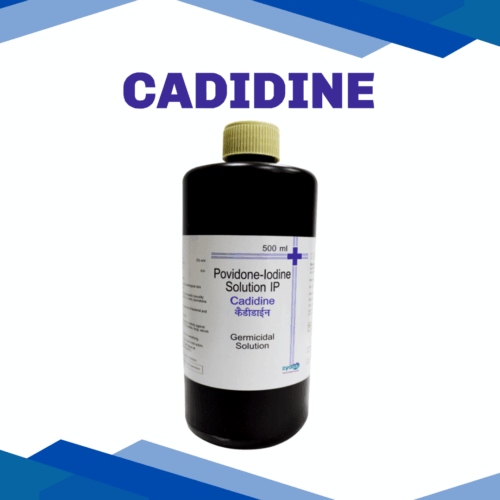
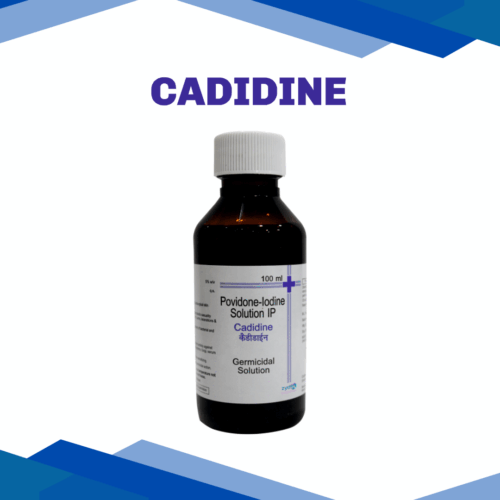
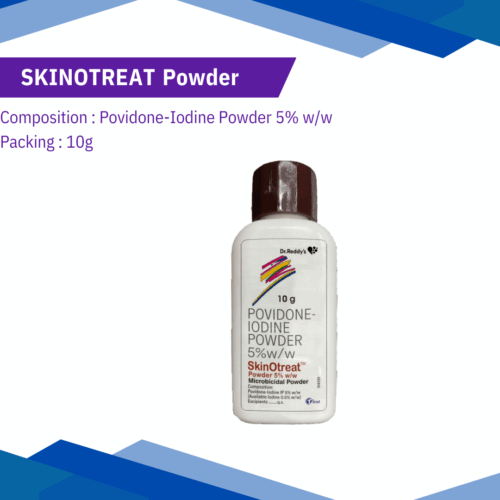
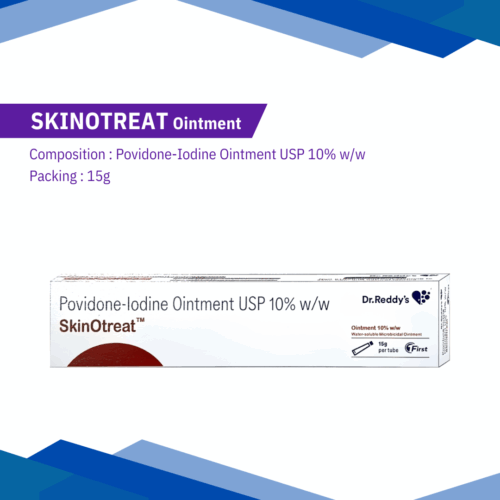
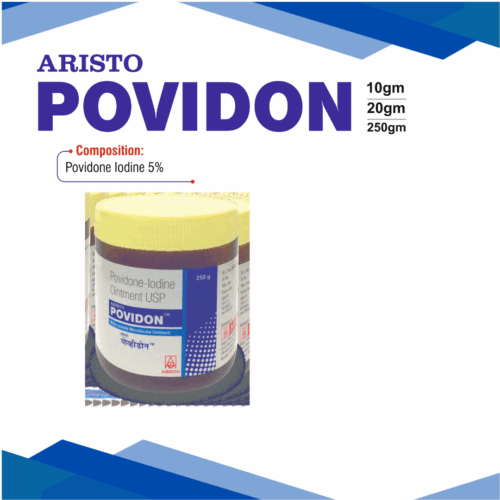
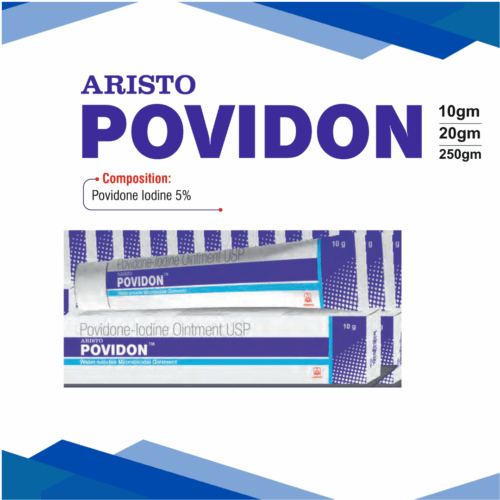
Povidone-iodine is a wide-spectrum antiseptic primarily employed to prevent infection of wounds. In this, it is applied to release iodine, which in turn kills a vast array of microorganisms consisting of bacteria, fungi, and protozoa. You’ll find that this too is a constant item in most first-aid kits at home as well as clinical applications around the world for assisting in all wound-care requirements.
How It Works
Povidone-Iodine possesses efficacy in killing more microbes in the presence of blood, serum, or pus than many other antiseptics. Once it has been applied, iodine is released slowly in a process that disrupts proteins and nucleic acids important to the survival of microorganisms, often resulting in death.
Common Uses
Wound Care: The cleaning of minor cuts, scrapes, and blisters on the skin.
Surgical Preparations: Disinfection of skin before performing surgical procedures, and after the procedures.
Infection: Used for skin infections caused primarily by bacteria or fungi.
Oral Hygiene: It is helpful in gargle form for those facing throat infections, including mouth ulcers.
Beneficial Points
No Sting: The formula does not sting, and it provides a beneficial experience on application unlike alcohol-based rubs.
Lasting Effect: It offers a long-term iodine coverage, judging by the time it releases iodine for prolonged protection.
Visualization: The brown color makes the area visited by Povidone Iodine stand out.
Frequently Asked Questions
1. Can Povidone-Iodine be used on deep or open wounds?
It is useful for minor injuries, but it is recommended that deep puncture wounds, animal bites, or severe burns be evaluated by a healthcare professional before trying to apply such solutions.
2. Does Povidone-Iodine cause permanent skin discoloration?
No, the dye is brownish-orange. With soap and water, it usually comes off, though it may hurt some fabrics forever, especially natural silk or wool.
3. Can Povidone-Iodine be used during pregnancy?
One may want to avoid using Povidone-Iodine during pregnancy or breastfeeding for a long time; iodine can be absorbed through the skin and may have an effect on the thyroid function of the child. It is advisable to consult your doctor.
4. How should I store the solution?
Keep the container tightly closed and store in a cool, dry place, away from direct sunlight. It should be placed beyond the reach of animals and children, too.
5. What should I do if I experience an allergic reaction?
While rare, some people may feel itching, redness, or swelling. If you experience a severe rash or feel that it is difficult to breathe, STOP the product immediately and seek medical help.
DISCLAIMER: The content provided herein is for informational purposes only, and is not intended as medical advice. Always seek the guidance of a licensed healthcare professional before using any medication.