Protease
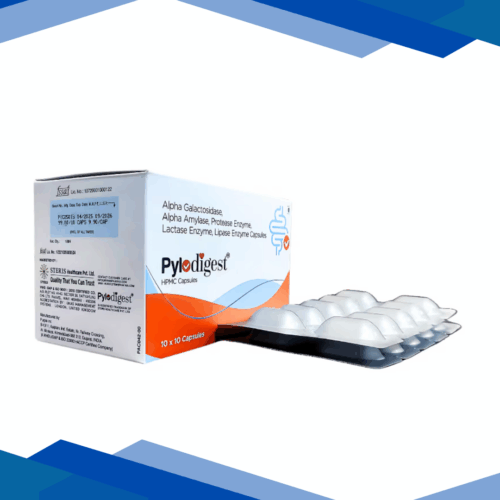
The group of key enzymes known as protease break down proteins into small polypeptides or individual amino acids, known by the term “proteolysis.” Protease supplements are largely used; for human health, they are particularly good for digestive health, muscle recovery, and against system inflammation. These proteases basically ensure that the piece of peptide bonds occurring in proteins obtained from diets catalyze conversion into components that can act as building blocks for tissue regeneration, as well as the immune function support.
Health Benefits & Uses
Breakdown of food: Helps the pancreas break down proteins in your food (meat, dairy, legumes), therefore reducing bloating and indigestion.
Anti-Inflammatory Action: Systematic proteases can assist in breaking down cellular debris and “fibrin” at the site of injury, thereby promoting recovery from sports injuries or surgery.
Immune Modulation: Helps identify and inactivate some protein-based threats and allergens by the body.
Circulatory Health: It offers assistance in maintaining healthy blood viscosity by removing excess fibrin in the bloodstream.
Mechanism of Action:
Protease enzymes always work through hydrolysis. If taken during a meal, they can be effective in the stomach and intestine as a digestive aid. If taken on an empty stomach (for systemic use), they will be absorbed into the bloodstream to target “circulating immune complexes” (CICs) and inflammatory proteins and instigate a natural healing response.
Product Details:
Types: Digestive Enzymes and Anti-inflammatory Supplements.
Common Types: Fungal Protease, Bromelain (from pineapple), Papain (from papaya), Serrapeptase.
Form: Enteric-coated tablets or capsules (to protect the enzymes from stomach acid).
Suggested Usage:
For Digestive Enzymes: One such capsule should be taken right before or during a protein-heavy meal.
For Treatment of Systemic Inflammation: Take one to two capsules on an empty stomach, with a full glass of water (at least 1hour before or 2 hours after eating).
Advice: Always take the exact dose that is recommended to you by your gastroenterologist, primary care physician or other healthcare advisor.
Think About:
Almost always quite safe, some may have had problems:
Mild stomach upset or cramping.
Some loose stool or diarrhea due to high doses.
An allergic reaction could potentially occur (never supposed to be too common) especially if you are allergic to pineapple or papaya.
Precautions & Warnings
Blood Thinners: Since some proteases have slight fibrinolytic (blood-thinning) potential, a person who needs to take Warfarin or Aspirin needs a doctor discussing the likely risks.
Surgery: It is hard to establish if any protease inhibitors have any effect on the integrity of bleeding in surgery; it seems reasonable to avoid them for at least 2 weeks before any surgery whatsoever.
Pregnancy: No one at present has any idea whatsoever about the use during pregnancy; consult your doctor before deciding.
Ulcers: Be cautious if you have a history of gastritis or peptic ulcers, as enzymes may irritate sensitive stomach lining.
Question and answer (FAQ) section
Q: What is the difference between Protease and Protease Inhibitors?
The differences in the functions of the two are as polar as earth and sky. Proteases are enzymes that digest proteins, while Protease Inhibitors prevent specified viral enzymes (most of the time they are used in HIV and Hepatitis C treatment) from replicating the virus. This listing is concerned with an enzyme supplement.
Q: Why should I take Protease on an empty stomach to relieve joint pain?
If you take the enzyme with food, then the enzyme gets “distracted” by the proteins in the meal. When Protease is taken on an empty stomach, it blazes into the bloodstream, and in some cases, inflamed proteins are neutralized from all areas in the body, helping to alleviate swelling and pain.
Q: Will Protease help for gluten sensitivity?
Protease is an enzyme that aids in the breaking down of proteins, serving only as an aid in people with Celiac disease. However, specific blends (often containing DPP-IV) may digest sequestered amounts of hidden gluten, but they must never replace a gluten-free diet in people with diagnosed sensitivities.
Q: Does the “HUT” or “USP” rating on the label matter?
Yes. Unlike vitamins measured in milligrams (mg), enzymes are measured in their activity units. For Protease, the HUT (Hemoglobin Units on a Tyrosine base) value is kept, and this ought to improve the enzyme’s noteworthiness when it comes to the extermination of protein.
Q: Are these enzymes vegan?
The majority of supplemental proteases are derived from fungal sources (Aspergillus oryzae) or plant sources (bromelain/papain), making them vegan-friendly. Always check the “Source” section of the product label.