Showing the single result
Filter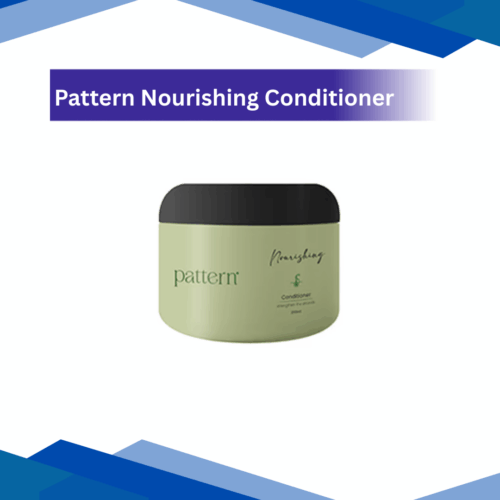
Pattern Nourishing Conditioner 200 ml
Pumpkin Seed Extract: The Natural Powerhouse for Men’s Health and Vitality
Pumpkin Seed Extract (Cucurbita pepo) no longer serves as a by-product of the autumn treat: it is now known and respected as a chief botanical in wellness—a rich source of zinc, magnesium, and essential fatty acids. Often called “Green Gold,” it is favored by many who want to support their prostate health, hormonal balance, or hair density the natural way.
Salient Features of Pumpkin Seed Extract
Prostate Support: Generally employed in BPH (Benign Prostatic Hyperplasia) to reduce oxidative stress and inflammation.
Hair Growth: Acts as a natural DHT blocker, offering benefits in androgenetic alopecia (pattern hair loss).
Heart Health: Contains phytosterols that help manage levels of bad LDL cholesterol.
Bladder Wellness: Enhances urinary function and helps alleviate symptoms of an overactive bladder.
Product Specification
| Attribute | Details |
|---|---|
| Main Ingredient | Cold-pressed Pumpkin Seed Oil / Seed Extract |
| Form | Softgel Capsules / Liquid Drops |
| Common Dosage | 500 mg to 1000 mg daily |
| Main Nutrients | Omega-3, Omega-6, Zinc, Magnesium, Phytosterols |
Frequently Asked Questions (FAQ)
1. What is Pumpkin Seed Extract used for?
It is widely used to support prostate and bladder health in both men and women. Regular use may also improve skin condition and support hair health due to its rich mineral and omega fatty acid profile.
2. How long will it take to see results?
Supplements are not “magic pills.” For hair or prostate health, most evidence suggests consistent use for 3–6 months to notice meaningful changes.
3. What are the side effects of Pumpkin Seed Extract?
It is generally well-tolerated, even at higher doses. Occasionally, mild stomach upset or diarrhea may occur, especially if taken on an empty stomach. Always consult a healthcare professional before starting.
4. Can women consume Pumpkin Seed Extract?
Yes. While it is well-known for prostate health in men, women may use it to support urinary tract health, hair growth, and as a source of healthy fats, especially during menopause.
5. Can it replace prescribed prostate medication?
This depends on the individual case and the treatment plan advised by a urologist. It should not replace prescribed medication without professional guidance.
Disclaimer:
This content is intended for informational purposes only and should not be considered a substitute for professional medical advice. Always consult your healthcare provider before starting any supplement.