





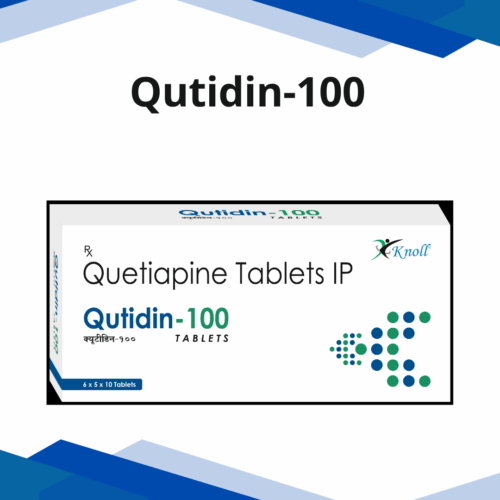
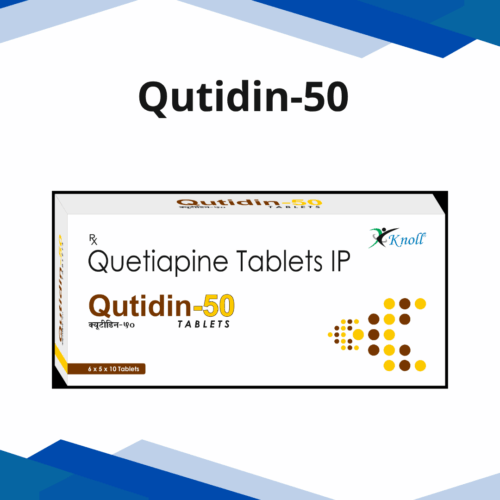
Quetiapine Fumarate: Uses, Side Effects, and Expert Advice
Quetiapine Fumarate falls into the atypical antipsychotic medication group and is chiefly used for managing some mental and mood conditions’ symptoms. The drug assists in rebalancing the relatively low natural chemical messengers in the brain, allowing patients to improve concentration, relaxation, and involvement in basic daily things.
Key Points of Interest
Primary Uses: Schizophrenia, Bipolar Disorder (Manic and Depressive Episodes), and used in addition to an antidepressant in Major Depressive Disorder (MDD).
Formulation: Available in Immediate-Release (IR) and Extended-Release (ER) tablets.
Onset of Action: Although some calming effects may be felt quite early, the full therapeutic effect could take 4–6 weeks.
Quetiapine Fumarate Mechanism of Action
Quetiapine works as “a dopamine and serotonin antagonist.” In basic terms, it maintains the balance between Dopamine and Serotonin levels in the brain. Overactivity related to dopamine can result in hallucinations or delusions, whereas serotonin works towards helping regulate mood and energy levels.
Safety Advice & Precautions
Factor
Advice
Alcohol
Unsafe. Combining alcohol with Quetiapine can cause extreme drowsiness and respiratory depression.
Pregnancy
Consult Doctor. Only used if the benefits outweigh potential risks to the fetus.
Driving
Caution. May cause dizziness or blurred vision. Do not drive until you know how it affects you.
Kidney/Liver
Dose Adjustment. Patients with liver impairment may require lower starting doses.
Expert Tips for Patients
Rise Slowly: This medicine can cause a sudden drop in blood pressure when you stand up (orthostatic hypotension), making you feel dizzy.
Monitor Weight: It is common to experience increased appetite. Regular exercise and a balanced diet are recommended to manage potential weight gain.
Stay Hydrated: Quetiapine can make it harder for your body to cool down. Avoid overheating or excessive exercise in hot weather.
Routine Checks: Your doctor may suggest regular blood sugar tests and eye exams (to check for cataracts) during long-term treatment.
Frequently Asked Questions (FAQs)
Q: Is Quetiapine a sleeping pill?
No. While drowsiness is a common side effect, Quetiapine is an antipsychotic, not a primary sedative. Using it solely for insomnia is generally “off-label” and should only be done under strict medical supervision.
Q: What happens if I miss a dose?
Take it as soon as you remember. However, if it is almost time for your next scheduled dose, skip the missed one. Never “double up” to make up for a forgotten tablet.
Q: Can I stop taking it once I feel better?
Do not stop this medication abruptly. Sudden discontinuation can lead to withdrawal symptoms like nausea, irritability, or a relapse of your condition. Your doctor will provide a “tapering schedule” to reduce the dose gradually.
Q: Does Quetiapine cause weight gain?
Yes, weight gain is a documented side effect for many users. It can affect your metabolism and appetite. Tracking your weight and discussing a nutritional plan with your healthcare provider can help mitigate this.
Disclaimer: This content is for informational purposes only and does not constitute medical advice. Always seek the advice of a qualified healthcare provider regarding a medical condition. Use of this medication requires a valid prescription.