

Showing all 16 resultsSorted by popularity
Filter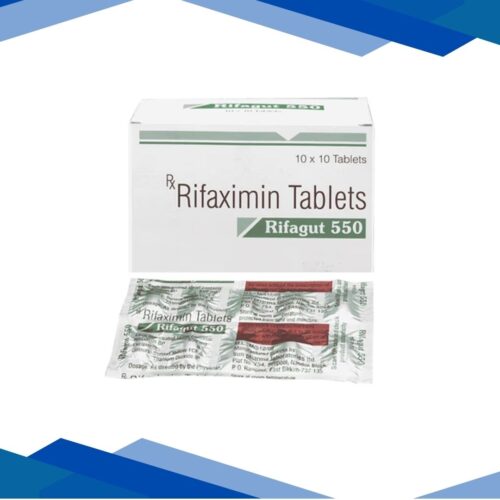
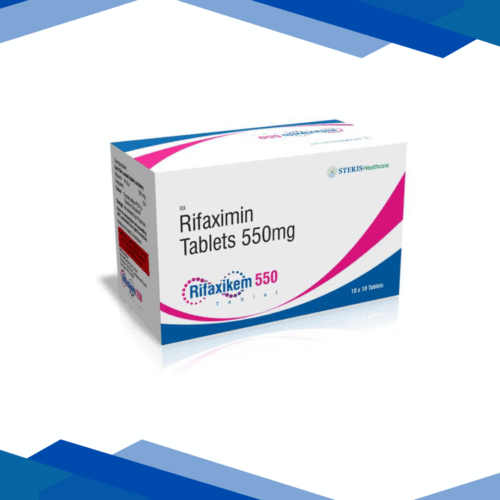
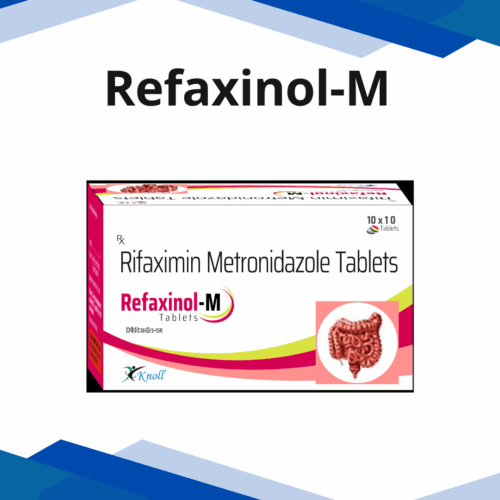
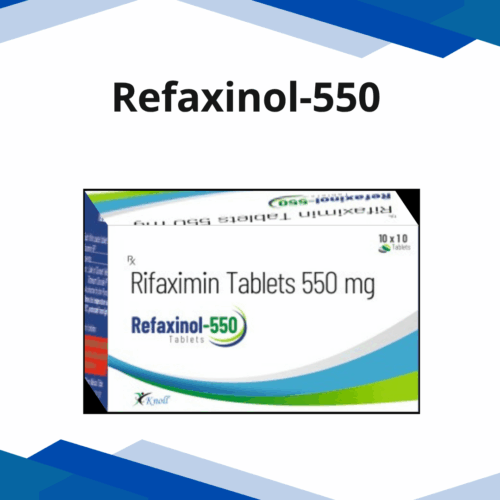
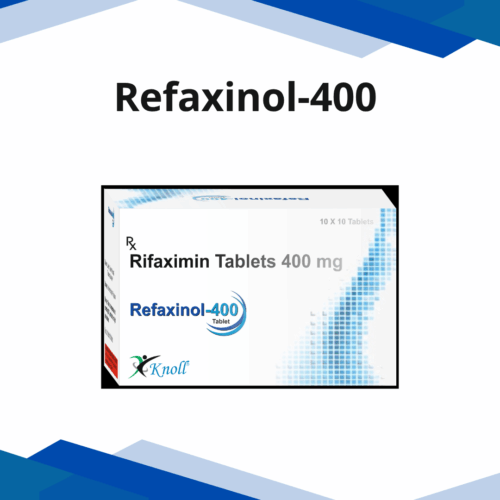
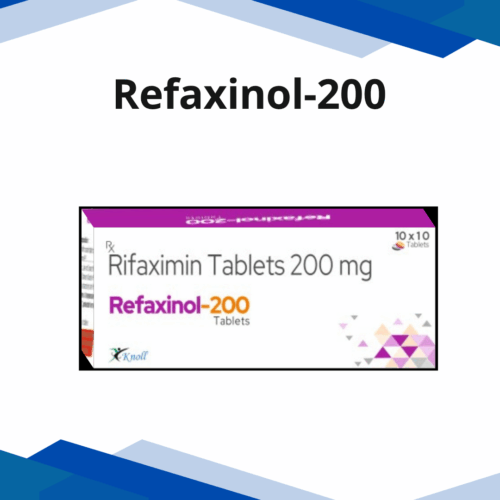
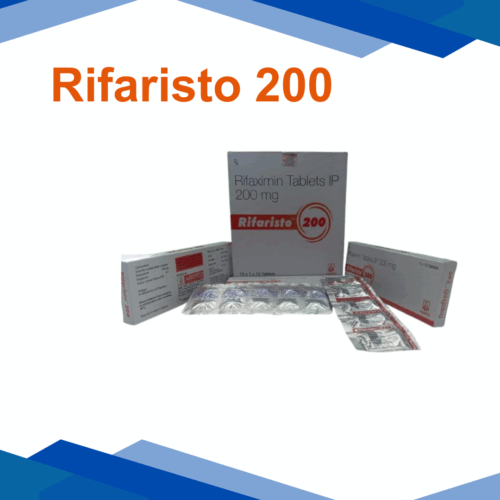
Uses, Side Effects, and Dosage of Rifaximin
Rifaximin is a powerful gastrointestinal selective antibiotic mainly used to treat conditions in the digestive tract. As opposed to classical antibiotics, which freely circulate in the whole system, Rifaximin stays mostly in the gut, attacking bacteria exactly where they are the problem.
Mechanism of Action
Rifaximin is a rifamycin antibiotic. It works by inhibiting bacterial RNA synthesis, and therefore, it stops bacterial growth. As it does not significantly cross the intestinal barrier, this microbiome-friendly agent ensures high local activity with minimal systemic side effects.
According to the Physician (Uses)
Traveler’s Diarrhea: Caused by non-invasive strains of Escherichia coli.
Irritable Bowel Syndrome with Diarrhea (IBS-D): Helps to reduce bloating and urgency.
Hepatic Encephalopathy: Used to prevent recurrence of brain function decline in adults with advanced liver disease.
Important Info
Drug Class: Rifamycin Antibiotic
Common Brand Names: Xifaxan, Rcifax
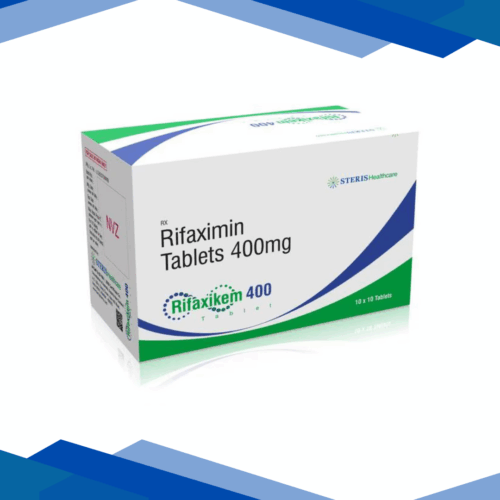
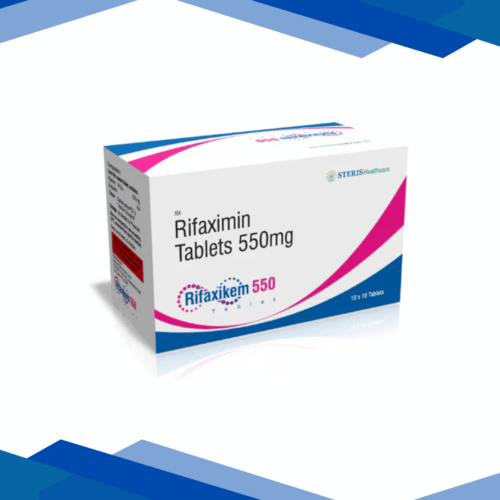
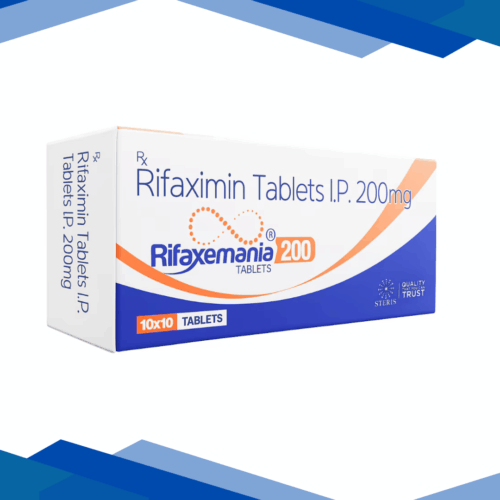
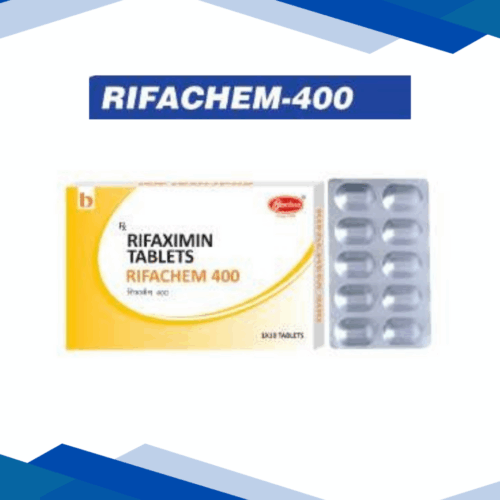
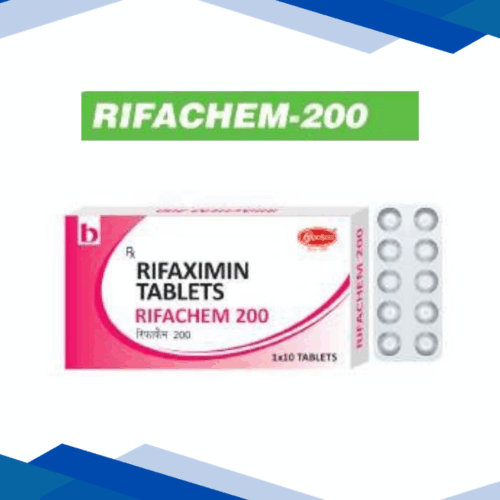
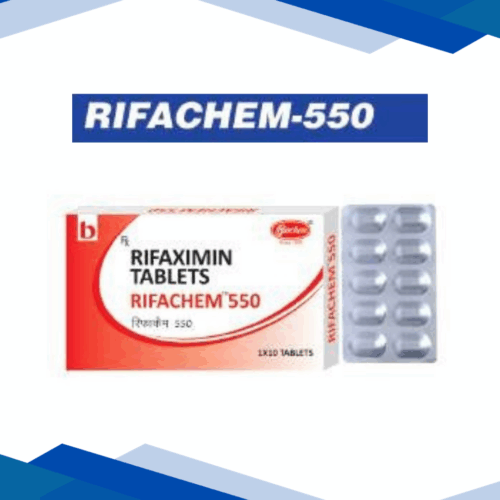
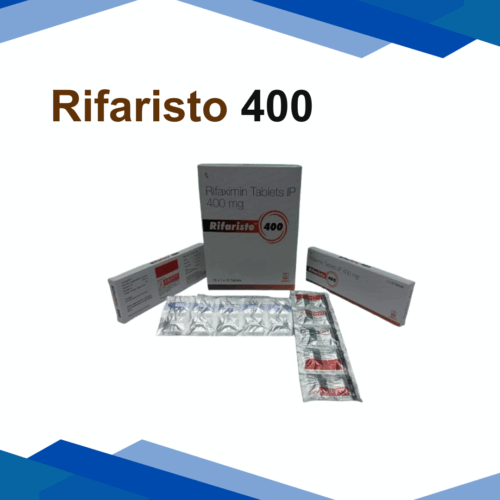
Available Forms: Oral Tablets (200 mg, 400 mg, 550 mg)
Prescription: Yes (Required)
Alcohol Interaction: Generally safe, but consult your doctor
Frequently Asked Questions (FAQs)
Q: Is Rifaximin a “strong” antibiotic?
A: It is highly effective for gastrointestinal infections, but “strength” is subjective. Its key advantage is localized action in the gut, minimizing disruption to beneficial bacteria compared to broad-spectrum antibiotics.
Q: Can I take Rifaximin for a cold or flu?
A: No. Rifaximin works only against bacterial infections of the gut. It is ineffective against viral infections like the common cold, flu, or COVID-19.
Q: What is the expected timeline for efficacy in IBS-D?
A: Most patients notice significant improvement in bloating, gas, and bowel habits within 1–2 weeks. If symptoms persist, consult your doctor for alternative treatment options.
Q: What should I avoid when taking this drug?
A: There are few dietary restrictions, but inform your doctor about medications like cyclosporine. Stay well hydrated, especially when treating diarrhea.
Q: Does Rifaximin cause weight gain?
A: No. Weight gain is not a documented side effect. Some patients may feel less bloated, which can be mistaken for weight changes.
Note
All the above information is intended for educational purposes only and should not be construed as a substitute for professional medical advice. Always consult a qualified healthcare provider before starting any new medication.