







Showing 1–20 of 210 resultsSorted by popularity
Filter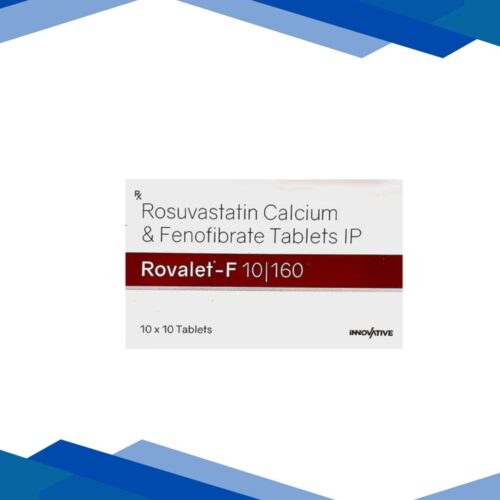
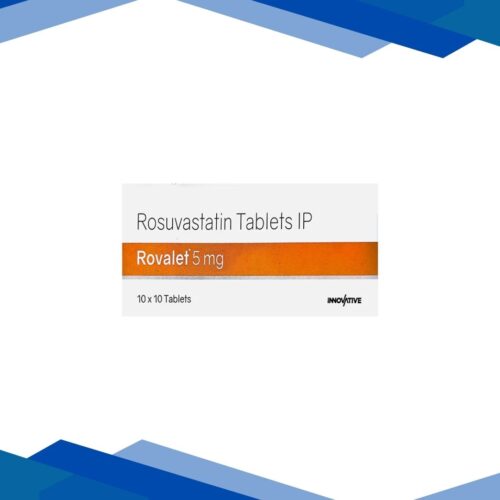
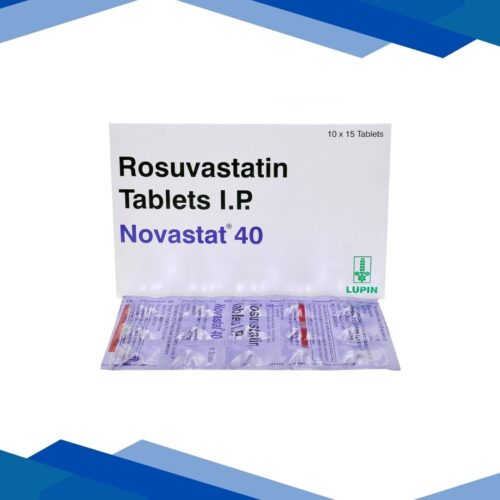
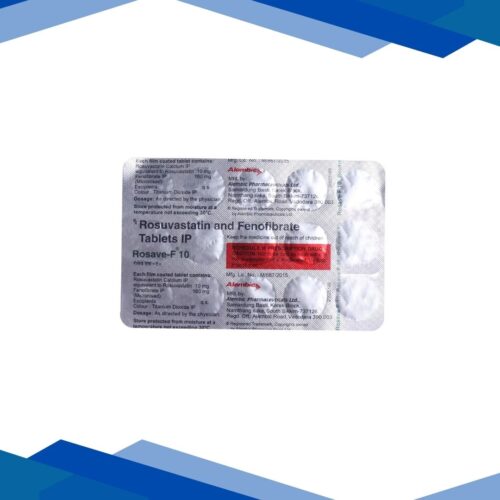
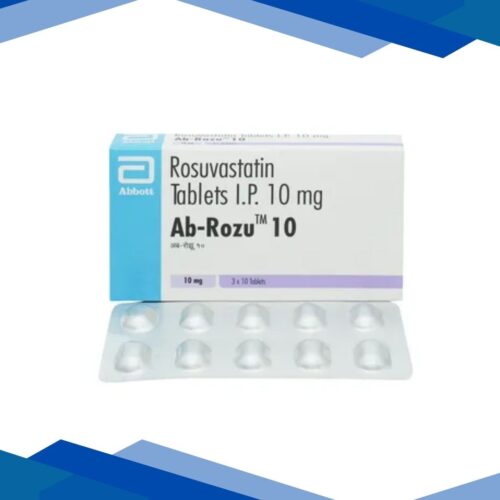
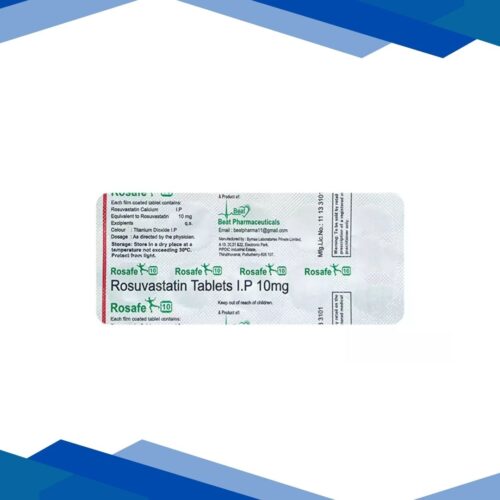
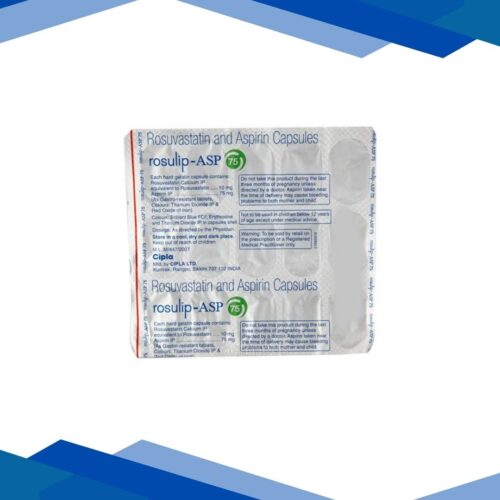
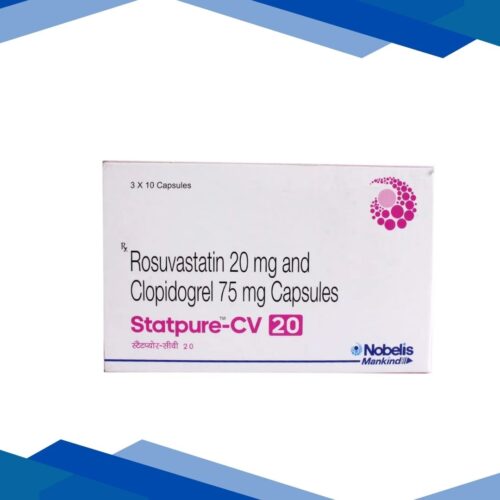
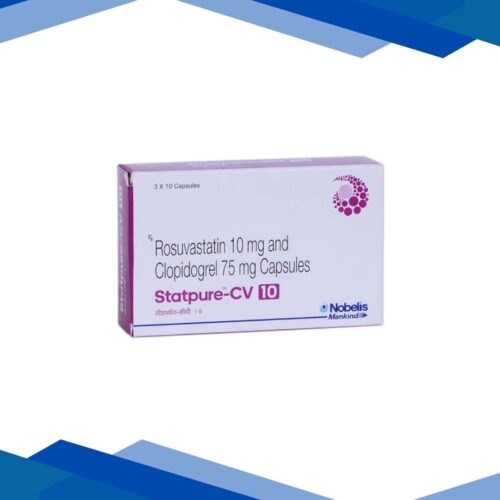
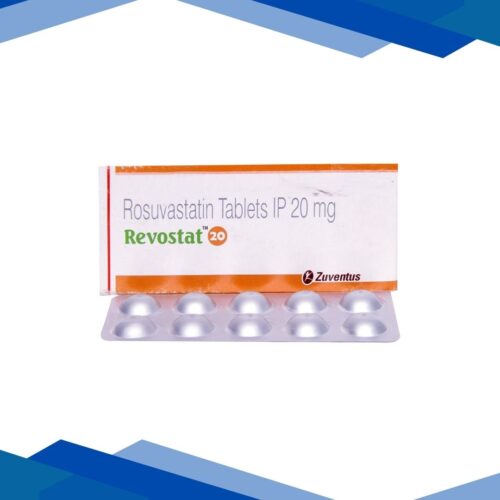
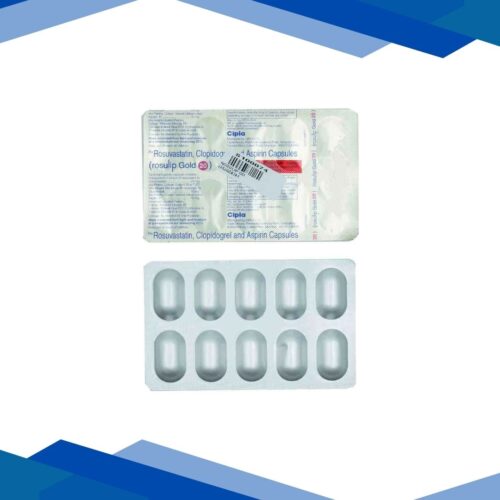
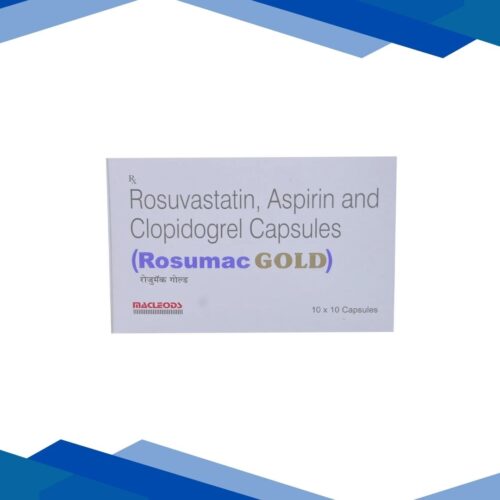
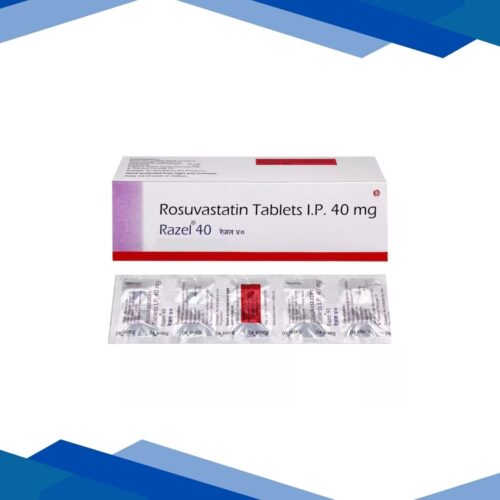
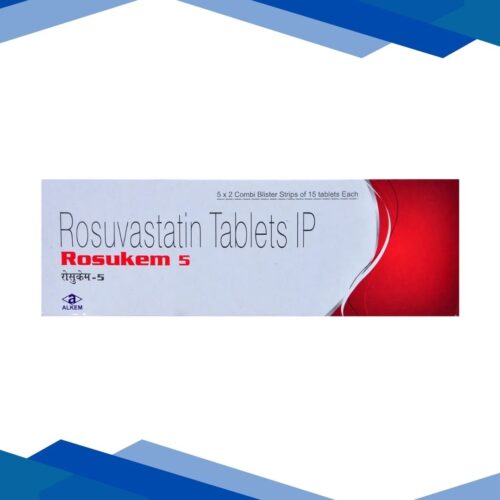
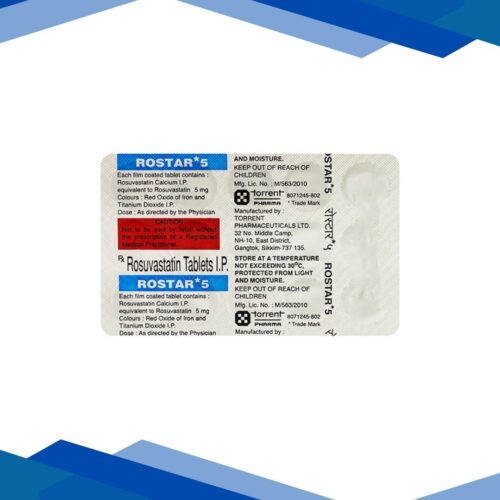
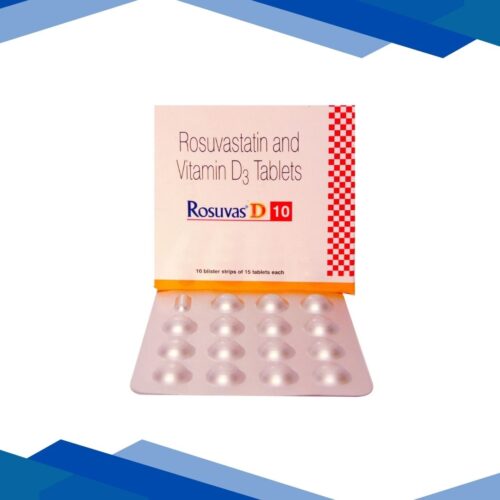
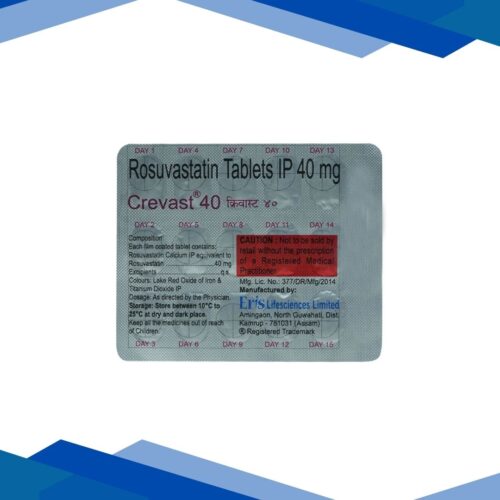
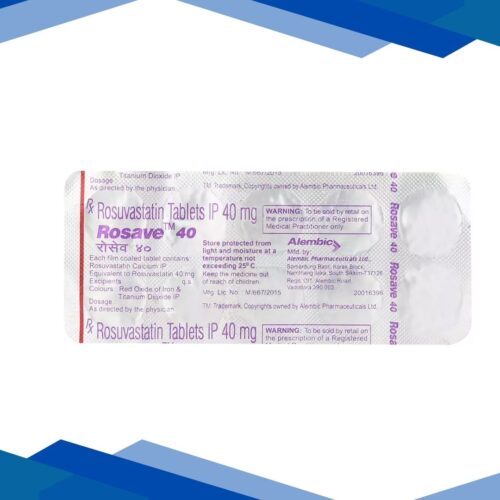
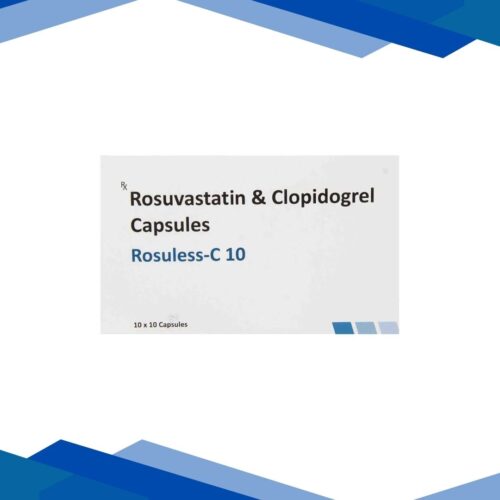
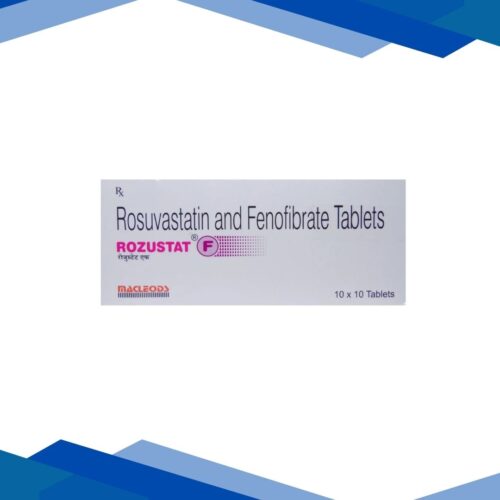
Rosuvastatin: Overview, Uses, and Side Effects
Rosuvastatin is a potent prescription medication that comes from a group of drugs named statins (HMG-CoA reductase inhibitors) that are useful for managing high cholesterol levels and decreasing the chances of cardiovascular events like heart failure and strokes. It works by inhibiting an enzyme within the liver that is responsible for producing cholesterol. That way, it primarily helps reduce “bad” cholesterol (LDL) from the bloodstream while also supporting “good” cholesterol (HDL) to some extent.
Highlights
Therapeutic Class: Antilipemic (Cholesterol-lowering)
Main Use: Hyperlipidemia & Cardiovascular risk reduction
Common Brand(s): Crestor, Rosuvas, Razel
Administration: Oral tablet, once daily
Benefits of Rosuvastatin
Lowers risks of LDL & Triglycerides: Effective at reducing fatty substances that accumulate in the arteries.
Could shield you against heart problems: Helps slow down plaque formation in the arteries, reducing the risk of another heart attack or stroke.
Flexible Dosage: Unlike older statins, Rosuvastatin has a longer half-life; therefore, it can be taken at any time of the day, with or without food.
Common Side Effects
Although Rosuvastatin is generally well-tolerated, some patients may experience:
- Headache or dizziness
- Mild muscle aches (Myalgia)
- Nausea or abdominal pain
- Constipation
Note: If you experience unexplained fatigue, muscle weakness, brown urine, or yellowing of the skin/eyes, contact your healthcare provider immediately, as these may indicate serious liver or muscle-related complications.
Patient Advice by Experts
Regularity: Always take your dose at the same time daily.
Diet: Follow a heart-healthy diet low in saturated fats for optimal results.
Alcohol: Use caution with alcohol as it may increase the risk of liver damage with statins.
Pregnancy: Do not use during pregnancy; ensure effective contraception while on this medication.
Frequently Asked Questions (FAQs)
Q1: Can I take Rosuvastatin with grapefruit juice?
Unlike some other statins (e.g., Simvastatin), Rosuvastatin has minimal interaction with grapefruit, but always seek your doctor’s advice for personalized guidance.
Q2: How long will it take to get results from Rosuvastatin?
Significant reduction in cholesterol levels may be seen within 2–4 weeks. Your doctor may recommend follow-up blood tests to adjust the dose if needed.
Q3: Should I take this medicine at night or in the morning?
Since Rosuvastatin stays longer in the body, it can be taken at any time, as long as it is taken consistently at the same time each day.
Q4: Is it safe to take Rosuvastatin for a long period?
Yes, it is typically used as a long-term therapy to maintain low cardiovascular risk. Do not stop without consulting your doctor, as cholesterol levels may rise again.
Q5: What should I do if I miss a dose?
Take the missed dose as soon as you remember. If it is close to your next scheduled dose, skip the missed one. Do not double the dose to compensate.
