Showing all 15 resultsSorted by popularity
Filter
Sort:
1%
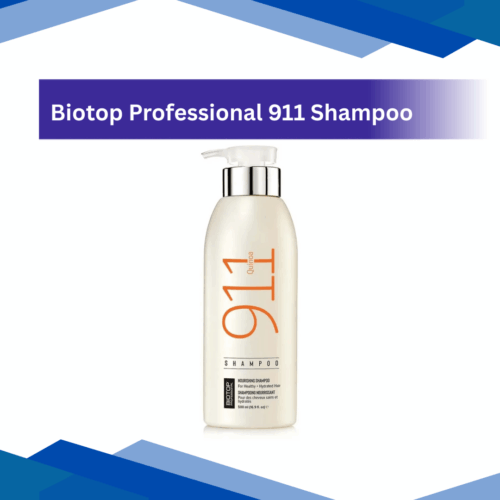
Biotop Professional 911 Shampoo 500 ml
Original price was: ₹3,330.00.₹3,328.00Current price is: ₹3,328.00.
Add to cart
1%
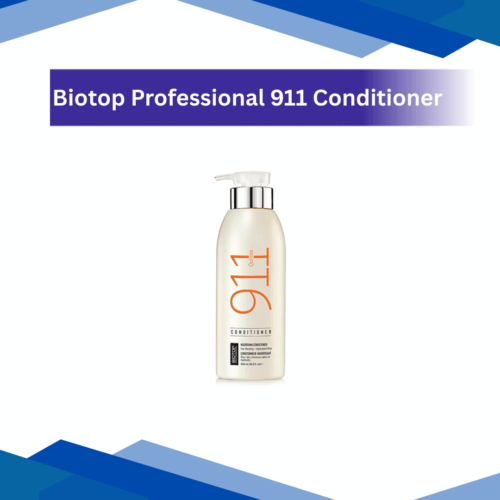
Biotop Professional 911 Conditioner 500 ml
Original price was: ₹3,330.00.₹3,328.00Current price is: ₹3,328.00.
Add to cart
11%

Kehairtherapy Professional 3x Moisture Conditioner
Original price was: ₹1,201.00.₹1,078.00Current price is: ₹1,078.00.
Add to cart
11%
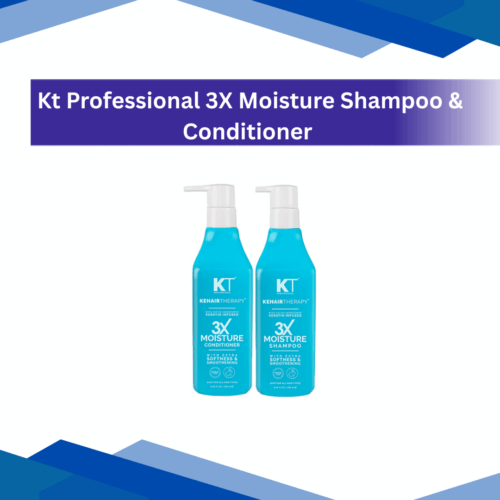
KT Professional 3X Moisture Shampoo & Conditioner
Original price was: ₹2,403.00.₹2,160.00Current price is: ₹2,160.00.
Add to cart
12%
Pattern Nourishing Conditioner 200 ml
Original price was: ₹1,130.00.₹1,003.00Current price is: ₹1,003.00.
Add to cart
12%
Pattern Nourishing Shampoo 250 ml
Original price was: ₹1,130.00.₹1,003.00Current price is: ₹1,003.00.
Add to cart
12%
Pattern Hydrating Shampoo 250 ml
Original price was: ₹1,270.00.₹1,129.00Current price is: ₹1,129.00.
Add to cart
12%
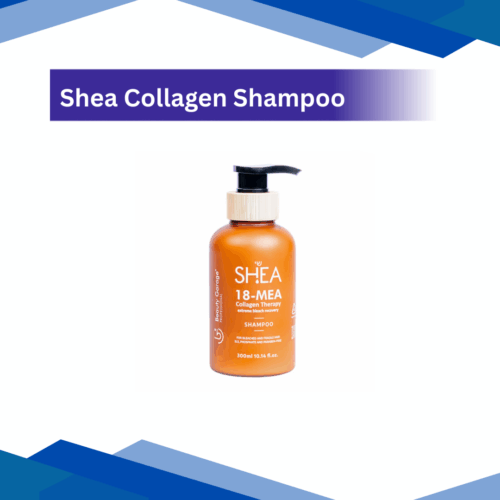
Shea Collagen Shampoo 300 ml
Original price was: ₹1,860.00.₹1,653.00Current price is: ₹1,653.00.
Add to cart
1%
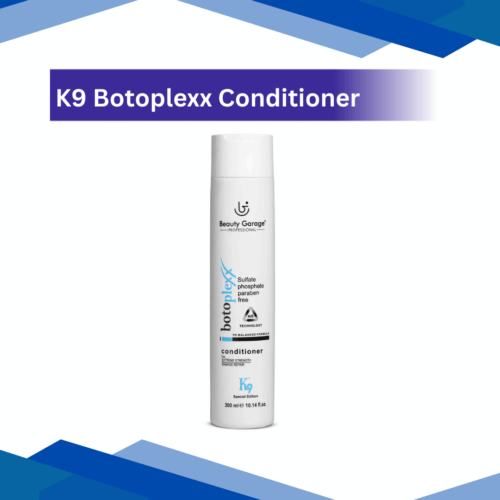
K9 Botoplexx Conditioner 300 ml
Original price was: ₹1,500.00.₹1,498.00Current price is: ₹1,498.00.
Add to cart
1%
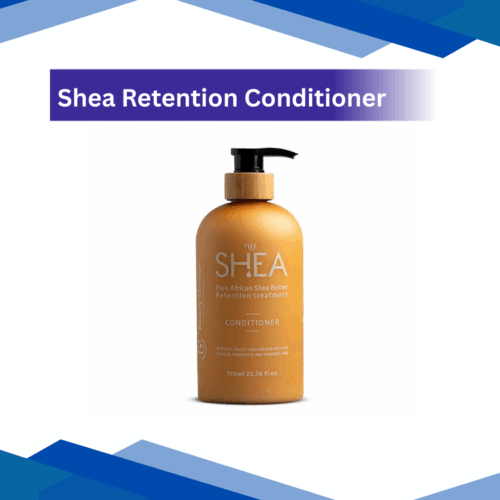
Shea Retention Conditioner 750 ml
Original price was: ₹2,940.00.₹2,938.00Current price is: ₹2,938.00.
Add to cart
1%
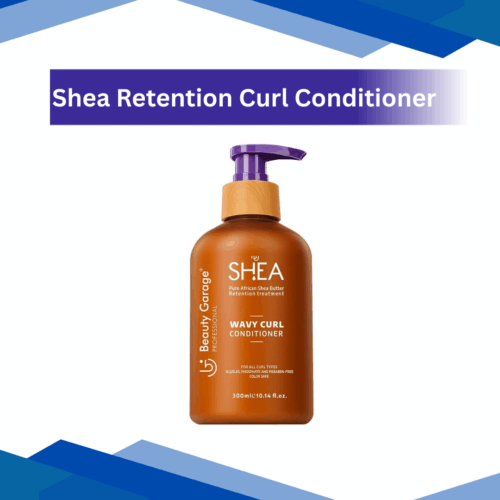
Shea Retention Curl Conditioner 300 ml
Original price was: ₹1,500.00.₹1,498.00Current price is: ₹1,498.00.
Add to cart
12%
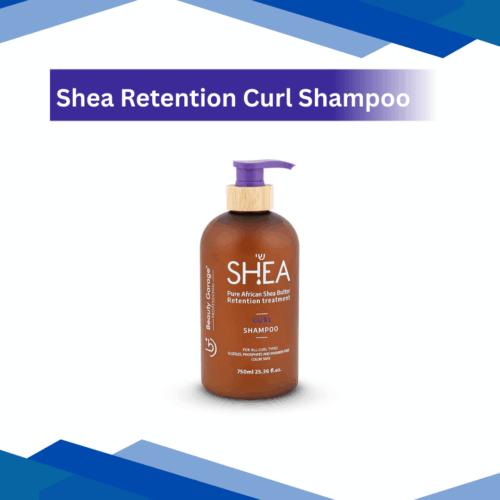
Shea Retention Curl Shampoo 750 ml
Original price was: ₹2,400.00.₹2,134.00Current price is: ₹2,134.00.
Add to cart
12%
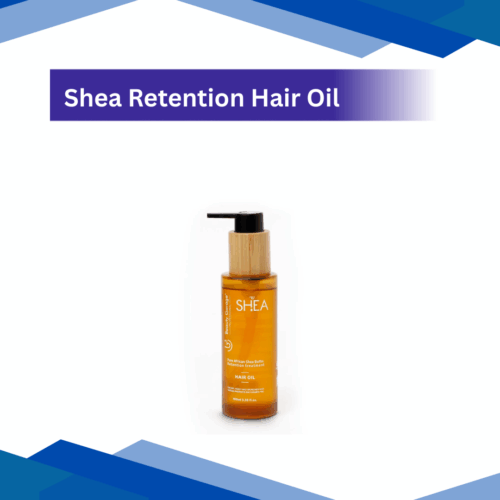
Shea Retention Hair Oil 100 ml
Original price was: ₹2,850.00.₹2,534.00Current price is: ₹2,534.00.
Add to cart
12%
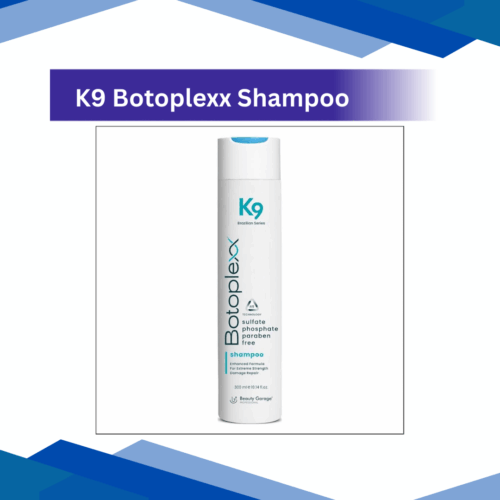
K9 Botoplexx Shampoo 300 ml
Original price was: ₹1,500.00.₹1,333.00Current price is: ₹1,333.00.
Add to cart
1%
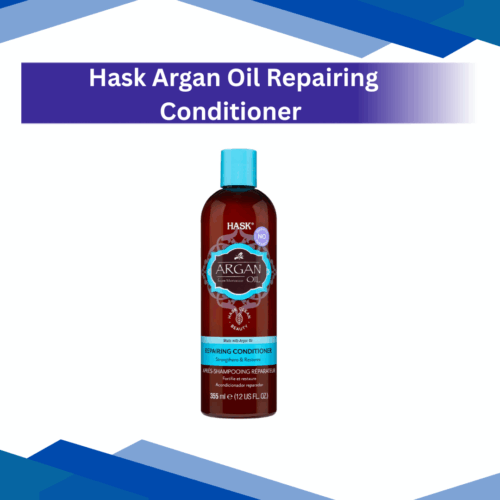
Hask Argan Oil Repairing Conditioner 355 ml
Original price was: ₹875.00.₹872.00Current price is: ₹872.00.
Add to cart