
Showing all 5 resultsSorted by popularity
Filter

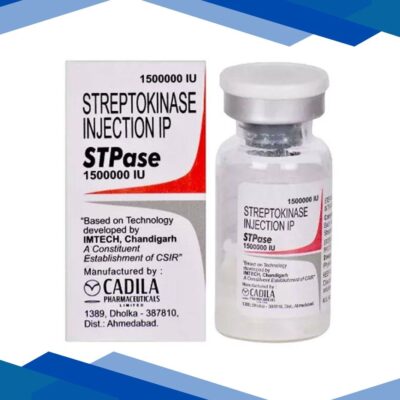
Streptokinase 1500mcg Injection 1’S

Thromboflux 750000 IU Injection 5ml

Here is your text with bold headings and appropriate bold/italics emphasis, without changing the original content:
Streptokinase: An Ultimate Insight into Thrombolytic Therapy
A thrombolytic strength medication for breaking the clot, Streptokinase; its pharmaceutical name, secondarily known as a ‘clot-dissolving agent’. Obtained from pure selective cultures of specific bacteria species, this clot buster acutely eliminates clots formed within different blood vessels, and thereby serves as lifesaving therapy for emergency medicine. Perpetually blocked vital arteries and lungs are often restored through its clot-dissolving action.
Therapeutic Implications in Brief
Acute Myocardial Infarction (Heart Attack): Dissolves clots formed within the coronary arteries to prevent damage to the myocardium.
Pulmonary Embolism: Quick destruction of large lung clots to relieve breathlessness.
Venous Thrombosis Management: Often clears major blocks in the deep veins to avoid further complications.
Arterial Thromboembolism: Restores blood flow to extremities or organs compromised due to sudden clot formation.
How Does This Medicine Work
Streptokinase works by inducing the body’s natural clot-dissolving system:
Plasminogen Activation: Streptokinase links with a circulating protein plasminogen.
Enzymatic Conversion: This linkage converts inactive plasminogen into an active enzyme called plasmin.
Fibrinolytic Breakdown: Plasmin breaks down the fibrin meshwork of blood clots, dissolving blockages and restoring blood flow.
Dosage & Administration
Hospital Use Only: Administered only under supervision in a hospital or emergency setup managed by medical professionals.
Intravenous Administration: Given via IV infusion. Dose is calculated based on body weight and severity of condition.
Time Sensitivity: Most effective when given within the “Golden Hour” after symptom onset in conditions like heart attack.
Safety Information and Precautions
Bleeding Risk: Streptokinase accelerates clot breakdown, increasing risk of bleeding or hemorrhage. Patients must be closely monitored.
Allergy Profile: Being derived from bacterial proteins, it may trigger allergic reactions in some individuals. Emergency medications are kept ready during infusion.
Recent Surgery: Not recommended in patients with recent major surgery, severe head trauma, or active internal ulcers.
One-Time Use Limitation: The body may develop antibodies after first use, reducing effectiveness if repeated within a year.
FAQs
Q: How are Streptokinase and blood thinners different?
A: Blood thinners (e.g., heparin, aspirin) prevent new clot formation. Streptokinase actively dissolves existing blood clots.
Q: Will I be awake during the infusion?
A: Yes, most patients remain awake and are monitored in an ICU/CCU with continuous vital sign observation.
Q: What are the common side effects?
A: Low blood pressure, mild bleeding (gum/tissue), fever, or chills may occur.
Q: Can I take Streptokinase at home?
A: No. It is an emergency hospital-based treatment requiring continuous monitoring.
Q: How do doctors know if it worked?
A: Success is confirmed through ECG changes, pain relief, and imaging tests like angiography.