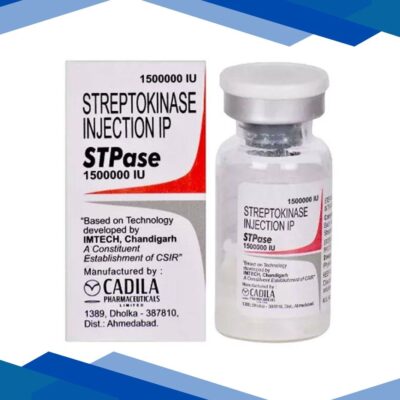
Streptokinase 1500mcg Injection 1’S
❌ Due to high demand, this product is currently out of stock. New stock will be available shortly.
👉 Click here to Buy Same Salt medicine
Streptokinase 1500mcg Injection is a clot-dissolving medicine used in emergency situations to help restore blood flow when a blood vessel is blocked by a clot. It works by activating the body’s natural clot-breaking system, which helps dissolve existing clots and can reduce damage to vital organs. This medicine is commonly used in serious conditions such as heart attack, certain types of ischemic stroke, and pulmonary embolism, depending on a doctor’s assessment. Because it can increase the risk of bleeding, Streptokinase 1500mcg Injection is given only under close medical supervision in a hospital setting. It is not a routine pain relief medicine or a treatment for all types of chest pain, but a specialized therapy used when rapid clot removal is needed.
Description
Streptokinase 1500mcg Injection is a thrombolytic medicine, also known as a “clot-busting” agent, that is used in emergency situations where a blood clot is blocking blood flow and causing life-threatening damage to organs. it works by helping the body dissolve fibrin, the protein mesh that holds a clot together. by breaking down this clot structure, Streptokinase 1500mcg Injection can restore circulation and reduce tissue injury when given promptly under specialist supervision.
this medicine is not used for everyday pain or routine prevention of clots. instead, it is reserved for serious conditions such as certain types of heart attack, pulmonary embolism, and other clot-related emergencies where rapid clot dissolution may improve outcomes. because it can significantly increase bleeding risk, it must only be used in a hospital or emergency setting where the patient can be closely monitored for blood pressure changes, bleeding, allergic reactions, and other complications.
Streptokinase 1500mcg Injection acts indirectly. it binds to plasminogen, a natural inactive protein in the blood, and changes it into plasmin. plasmin is the enzyme responsible for breaking down fibrin and other clot components. since this effect is systemic rather than limited to one clot, it can affect clotting throughout the body, which is why careful patient selection is essential. healthcare professionals weigh the benefits of restoring blood flow against the risk of serious bleeding before giving this medicine.
people who may receive Streptokinase 1500mcg Injection are those with urgent, medically confirmed thrombotic events in which time-sensitive clot removal is needed and other options may not be immediately available or suitable. it is generally administered by trained clinicians, often after assessing the patient’s history for recent surgery, stroke, bleeding disorders, trauma, ulcers, or other conditions that could make thrombolysis dangerous. in standard medical practice, the decision to use it is highly individualized and based on the severity of the event, timing, and overall bleeding risk.
ingredients
- Streptokinase 1500mcg Injection: this is the active thrombolytic ingredient. it is a protein-derived medicine that activates plasminogen and promotes clot breakdown. its main benefit is restoring blood flow in an emergency by dissolving obstructive clots.
- inactive formulation components: depending on the product presentation, the vial may contain stabilizing or buffering substances needed to preserve the medicine’s potency during storage and reconstitution. these do not provide therapeutic clot-busting action but help maintain product quality and safe preparation.
- diluent for reconstitution: Streptokinase 1500mcg Injection is often supplied as a powder that must be mixed with a suitable sterile fluid before administration. the specific diluent used is chosen by healthcare professionals according to the product instructions to ensure correct preparation and stability.
key uses
- acute myocardial infarction: used in certain heart attack cases to dissolve a coronary artery clot and help restore blood flow to the heart muscle, especially when rapid reperfusion treatment is needed.
- pulmonary embolism: may be used in severe or life-threatening blood clots in the lungs to reduce strain on the heart and improve oxygenation when the clot burden is significant.
- deep vein thrombosis with serious complications: in select cases, it may be considered when a major venous clot is causing severe compromise and rapid clot dissolution is clinically appropriate.
- arterial thrombosis or embolism in urgent settings: sometimes used for certain blocked vessels when specialist teams determine that clot lysis is necessary to save tissue or improve circulation.
- blockage of vascular access devices or catheters: in some settings, clot dissolution may be considered to help restore patency of a blocked line, depending on the product indication and clinical protocol.
how to use
Streptokinase 1500mcg Injection should only be used by healthcare professionals in a monitored medical setting. it is not a self-administered medicine and should never be taken at home without direct supervision. before use, the team will confirm the diagnosis, review bleeding risks, and check for conditions that could make treatment unsafe. the medicine is prepared from a vial and administered according to hospital protocol, usually through an intravenous route or, in certain settings, directly into the affected area by trained staff.
the exact method, timing, and monitoring requirements depend on the medical condition being treated. because this medicine can affect the whole clotting system, vital signs, bleeding signs, oxygen levels, and sometimes laboratory tests are followed closely during and after treatment. patients may be advised to avoid unnecessary movement, pressure, or invasive procedures while receiving it, since these can increase bleeding risk. any sudden headache, chest discomfort, shortness of breath, back pain, gum bleeding, blood in urine, or unusual bruising must be reported immediately.
reconstitution and administration must follow the product-specific instructions and institutional protocols precisely. incorrect preparation or delayed use after reconstitution can reduce effectiveness and safety. if a patient has a history of allergies, recent surgery, recent stroke, or major bleeding, the treating team must be informed before therapy begins. because treatment decisions are time-sensitive, patients and families should provide all available medical history as quickly and accurately as possible.
safety information
- warnings: Streptokinase 1500mcg Injection can cause serious or life-threatening bleeding, including internal bleeding, gastrointestinal bleeding, bleeding in the brain, and bleeding at puncture sites. it can also trigger low blood pressure and allergic or hypersensitivity reactions, including fever, rash, chills, and rarely severe anaphylaxis. it should be used only when the expected benefit clearly outweighs these risks.
- side effects: common effects may include fever, chills, nausea, vomiting, flushing, headache, mild bleeding at injection or catheter sites, and temporary low blood pressure. serious side effects include major hemorrhage, stroke caused by bleeding, severe allergic reactions, arrhythmias during reperfusion, respiratory distress, and shock. any unusual bleeding or neurological symptoms require urgent medical attention.
- precautions: people with recent surgery, trauma, active ulcers, recent internal bleeding, bleeding disorders, severe uncontrolled hypertension, recent stroke, or a history of hypersensitivity to streptococcal products may need to avoid this medicine. caution is also required in older adults, people with liver disease, and those who have recently undergone invasive procedures.
- pregnancy/breastfeeding: use during pregnancy is generally avoided unless the situation is life-threatening and no safer alternative is appropriate. there is limited information on breastfeeding safety; because treatment is usually emergency-based and short-term, clinicians will assess the risk and benefit individually. a specialist should decide if use is necessary in pregnant or breastfeeding patients.
- interactions: the bleeding risk increases when Streptokinase 1500mcg Injection is used with anticoagulants, antiplatelet medicines, nsaids, or other clot-dissolving drugs. alcohol may also increase the risk of bleeding or worsen dizziness and blood pressure changes, so it should be avoided unless a clinician advises otherwise. always tell the medical team about all prescription drugs, over-the-counter medicines, and supplements being taken.
additional information
- storage: store the unopened product as directed on the label, usually in a cool, dry place away from direct light and moisture. do not freeze unless the manufacturer specifically permits it. once reconstituted, the solution should be used within the timeframe recommended by the product instructions and hospital protocol.
- missed dose: this medicine is not taken on a regular self-managed schedule, so a “missed dose” usually does not apply in the typical way. if treatment was intended but not given on time in a medical emergency, the healthcare team must decide immediately whether it is still appropriate to proceed.
- overdose: too much Streptokinase 1500mcg Injection can greatly increase the chance of severe bleeding, including internal or brain bleeding. if overdose is suspected, emergency treatment is required at once. clinicians may stop the infusion, provide supportive care, monitor clotting and hemoglobin, and manage bleeding with blood products or other interventions as needed.
- habit forming: no. Streptokinase 1500mcg Injection is not habit-forming and does not cause dependence or addiction. it is used only for acute medical indications under professional supervision.
frequently asked questions
Q: what is Streptokinase 1500mcg Injection used for?
A: Streptokinase 1500mcg Injection is used in emergency situations to dissolve dangerous blood clots and restore blood flow, especially in certain heart attacks, pulmonary embolism, and other urgent clot-related conditions. it is given only in a hospital setting under close monitoring.
Q: how does Streptokinase 1500mcg Injection work?
A: it works by activating plasminogen into plasmin, an enzyme that breaks down fibrin, the protein network that holds a clot together. this helps the body dissolve the clot and improve circulation.
Q: can Streptokinase 1500mcg Injection cause bleeding?
A: yes. bleeding is the most important risk with Streptokinase 1500mcg Injection. it can range from minor bleeding at the injection site to severe internal bleeding. immediate medical attention is needed if any unusual bleeding occurs.
Q: is Streptokinase 1500mcg Injection safe for everyone?
A: no. it is not suitable for many people, especially those with recent surgery, recent stroke, active bleeding, bleeding disorders, or certain allergy histories. a doctor must carefully decide whether the benefits outweigh the risks.
Q: can i take Streptokinase 1500mcg Injection at home?
A: no. Streptokinase 1500mcg Injection must be administered by trained healthcare professionals in a monitored medical environment because it can cause serious bleeding and other complications.
Q: what should i tell my doctor before receiving Streptokinase 1500mcg Injection?
A: tell your doctor about any recent surgery, trauma, bleeding problems, ulcers, stroke, high blood pressure, pregnancy, allergies, and all medications or supplements you use. this information helps determine whether treatment is safe.
Q: does Streptokinase 1500mcg Injection interact with blood thinners?
A: yes. medicines that affect clotting, including anticoagulants and antiplatelet drugs, can increase the risk of bleeding when used with Streptokinase 1500mcg Injection. the medical team will review these carefully before treatment.
Q: what side effects may happen during treatment?
A: possible side effects include fever, chills, nausea, vomiting, low blood pressure, headache, and bleeding. rare but serious reactions include severe allergic responses, major hemorrhage, and stroke due to bleeding.
Q: what happens if someone has an allergic reaction to Streptokinase 1500mcg Injection?
A: allergic or hypersensitivity reactions can occur because Streptokinase 1500mcg Injection is a protein-derived product. symptoms such as rash, wheezing, swelling, or low blood pressure need immediate emergency treatment.
Q: how is Streptokinase 1500mcg Injection given?
A: it is given by healthcare professionals according to hospital protocols, usually through intravenous administration after proper preparation of the medication. the patient is monitored closely during and after treatment.
Q: can Streptokinase 1500mcg Injection be used after a recent surgery?
A: recent surgery is often a major reason to avoid Streptokinase 1500mcg Injection because it can cause dangerous bleeding at surgical sites. the medical team must evaluate the timing and the specific situation before considering it.
Q: does Streptokinase 1500mcg Injection work immediately?
A: it begins working after administration by activating the body’s clot-dissolving system, but the response must be assessed clinically and through monitoring. because it is used in emergencies, treatment and observation happen quickly and closely.
Q: can Streptokinase 1500mcg Injection be used in children?
A: its use in children is specialized and depends on the condition, the available alternatives, and expert judgment. pediatric use should only be guided by specialists experienced in thrombolytic therapy.
Q: should alcohol be avoided with Streptokinase 1500mcg Injection?
A: yes, alcohol is generally best avoided because it may increase bleeding risk and can worsen dizziness or blood pressure effects. in emergency care, the healthcare team will advise based on the patient’s condition.
Q: what signs of bleeding should be reported immediately?
A: report black stools, vomiting blood, blood in urine, severe headache, confusion, weakness, unusual bruising, prolonged bleeding from puncture sites, or sudden back pain. these may indicate serious bleeding and need urgent care.
this information is for educational purposes only and should not be considered medical advice. always consult a qualified healthcare professional before use.
At Gem Pharmacy, we make every effort to provide accurate, expert-written, and thoroughly reviewed information related to medicines. However, this information should not be considered a substitute for professional medical advice, diagnosis, or treatment from a qualified doctor.
The purpose of this information is to educate users and improve communication between patients and healthcare professionals. It should not be used to diagnose or treat any condition.
Always consult a certified healthcare professional before taking any medication.


Related products


Thromboflux 750000 IU Injection 5ml